Gene-Edited Wheat Slashes Cancer Risk in Toasted Bread
Scientists created wheat that produces up to 93% less of a toxic compound when toasted, potentially making your morning toast much safer. The breakthrough uses precise gene editing without reducing crop yields.
Your daily toast just got a whole lot safer thanks to a breakthrough in gene editing technology.
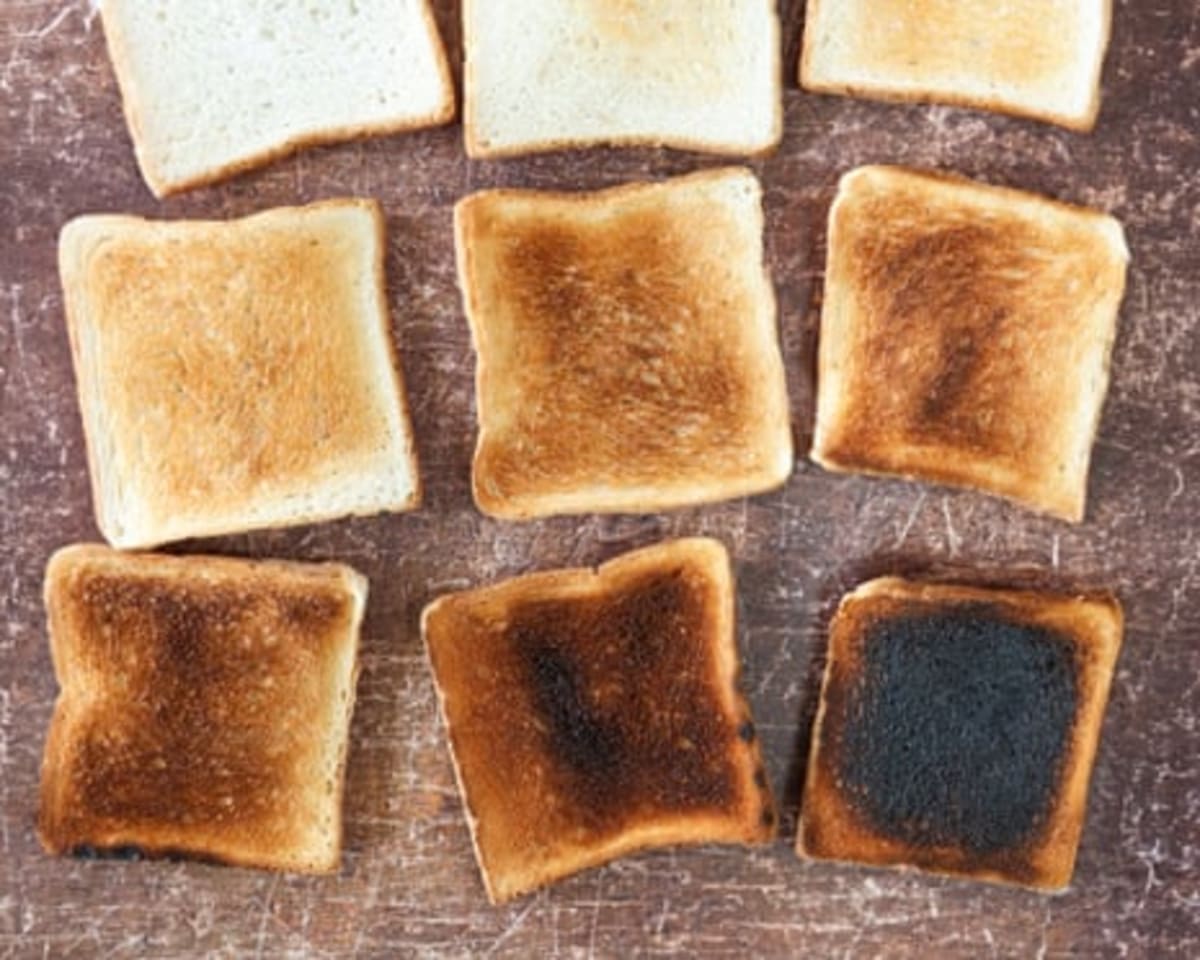
Scientists at Rothamsted Research in England developed wheat that dramatically reduces acrylamide, a probable carcinogen that forms when bread gets toasted. Using Crispr technology, they edited the genes responsible for producing free asparagine, an amino acid that converts into the toxic compound during baking or toasting.
The results from two years of field trials are remarkable. The edited wheat reduced harmful compounds by up to 93% without affecting how much grain farmers can grow.
When researchers baked bread and biscuits from the modified wheat, acrylamide levels dropped so low that some toasted bread samples showed no detectable amounts of the compound. That's a game changer for food safety standards worldwide.
Dr. Navneet Kaur, a lead researcher on the project, explained that Crispr allowed them to make precise changes to the wheat's DNA. The technology works like molecular scissors, targeting only the genes responsible for asparagine production while leaving everything else untouched.
The team compared their approach to conventional breeding methods currently used in agriculture. Traditional techniques achieved only a 50% reduction in the harmful compound and came with a devastating 25% drop in crop yields. The gene-edited version matched or exceeded safety improvements while maintaining full productivity.
The Ripple Effect
This breakthrough arrives at a crucial time for global food safety. The European Union is tightening restrictions on acrylamide levels in food products this year, which could force some breads off store shelves if they don't meet new benchmarks.
Professor Nigel Halford, who led the study, noted that low-acrylamide wheat could help food businesses meet evolving safety standards without compromising quality or driving up costs. That means safer products without higher prices for consumers.
The innovation also showcases how precision breeding can deliver real benefits without the yield penalties that often come with conventional breeding methods. Farmers can grow the same amount of wheat while producing significantly safer food products.
The UK has positioned itself as a global leader in gene editing research since passing the Genetic Technology Act in 2023, making it easier to develop and market precisely bred crops. This wheat demonstrates exactly why that investment matters.
Food safety improvements that protect public health while supporting farmers point toward a future where science solves problems without creating new ones.
More Images



Based on reporting by Guardian Environment
This story was written by BrightWire based on verified news reports.
Spread the positivity!
Share this good news with someone who needs it