Gene Editing Reverses Severe Epilepsy in Mice
University of Virginia researchers used gene editing to fix the DNA mutation causing a deadly form of epilepsy, potentially opening the door to cures for inherited brain disorders. The technique eliminated seizures in lab mice and improved their movement and cognitive function.
Scientists just took a major step toward curing a devastating childhood epilepsy by fixing the broken gene that causes it.
Researchers at the University of Virginia School of Medicine used a precision gene-editing tool called base editing to correct the DNA mutation behind SCN8A epilepsy in mice. This rare but severe disorder affects roughly 1 in 56,000 babies and causes hard-to-treat seizures, developmental delays, and sometimes sudden death in young children.
The results were remarkable. Mice that received the treatment either stopped having seizures completely or saw them dramatically reduced. They lived longer, moved better, and showed fewer anxiety-like behaviors compared to untreated mice.
"This shows that the devastating impact of the mutation is not permanent and can be reversed," said lead researcher Caeley Reever. The team essentially cured mice carrying the same genetic mutation known to cause epilepsy in children.
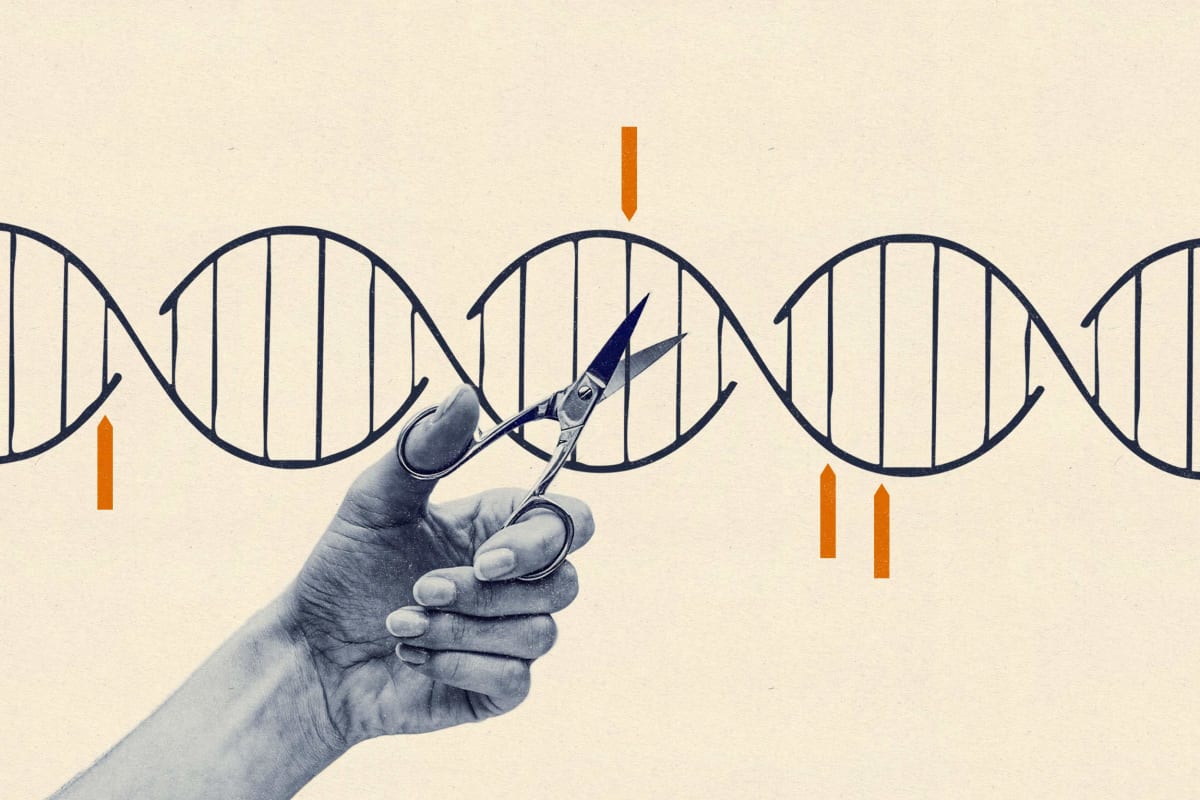
What makes this breakthrough special is the approach itself. Traditional epilepsy treatments only manage symptoms like seizures. This technique targets the root cause by rewriting the faulty genetic instruction, one DNA letter at a time.
SCN8A epilepsy happens when a gene mutation allows too much sodium to flood brain cells, making them fire uncontrollably. Symptoms typically appear in infancy and vary widely in severity. Many cases likely go undiagnosed, and when seizures do get identified, they often don't respond well to standard medications.
The Ripple Effect
This research points toward a future where genetic diseases get cured rather than just managed. Base editing's precision means scientists can make exact changes to DNA without the unwanted side effects that plagued earlier gene-editing methods.
While SCN8A epilepsy represents only about 1% of all epilepsies, the technique could work for other inherited epilepsies and genetic brain disorders. "Recent advances in gene therapy offer significant promise for patients with genetic diseases," said Manoj Patel, who led the research team. "These approaches enable direct targeting of the underlying cause with real potential for a cure."
The work received support from the National Institutes of Health, the UVA Brain Institute, and the Ivy Biomedical Innovation Fund. More research is needed before this approach can be tested in people, but the foundations are now in place.
For families facing inherited epilepsies, this research offers something that seemed impossible just years ago: hope for an actual cure.
Based on reporting by Google News - New Treatment
This story was written by BrightWire based on verified news reports.
Spread the positivity!
Share this good news with someone who needs it

%2Fhttps%3A%2F%2Ftf-cmsv2-smithsonianmag-media.s3.amazonaws.com%2Ffiler_public%2F8f%2F51%2F8f519049-2d05-4f9a-8858-f58ed880bd57%2Fgettyimages-1432941680.jpg)