Gene Therapies Win $3M Breakthrough Prizes for 2026
Scientists who created gene therapies that cure inherited blindness and blood disorders just won six $3 million prizes. Their discoveries are transforming devastating diseases from hopeless diagnoses into treatable conditions.
Children who were losing their vision can now see well enough to drive. People born with deadly blood disorders are living normal lives. These aren't distant dreams but real breakthroughs happening today, and the scientists behind them just received the 2026 Breakthrough Prizes.
The awards, often called the "Oscars of Science," announced six $3 million prizes honoring researchers whose work is changing medicine and expanding our understanding of the universe. This year's winners developed gene therapies for three devastating diseases and made groundbreaking discoveries in physics and mathematics.
Jean Bennett, Katherine High, and Albert Maguire share one prize for creating the first FDA-approved gene replacement therapy. Their treatment helps children with Leber congenital amaurosis, a rare disease that usually causes total blindness by early adulthood. The therapy replaces a defective gene critical to vision, and the results have been life-changing.
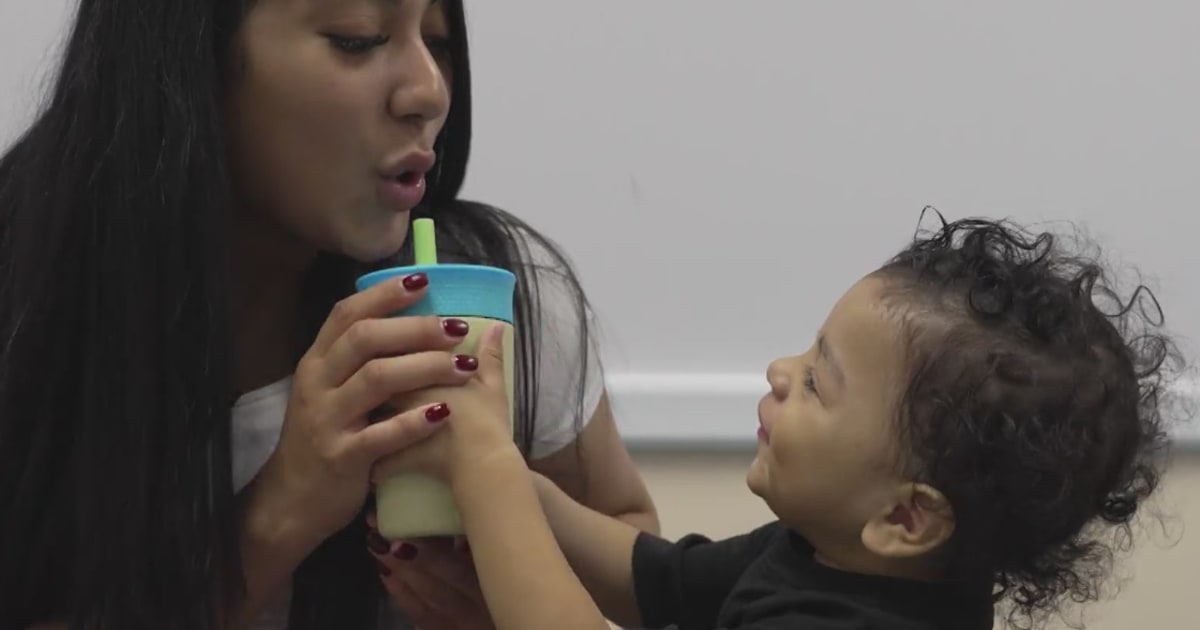
Kids who once needed canes can now play outside at night. Some have even qualified for driver's licenses. Nearly all eligible patients in the United States have received treatment, and benefits last for over a decade in people first treated years ago.
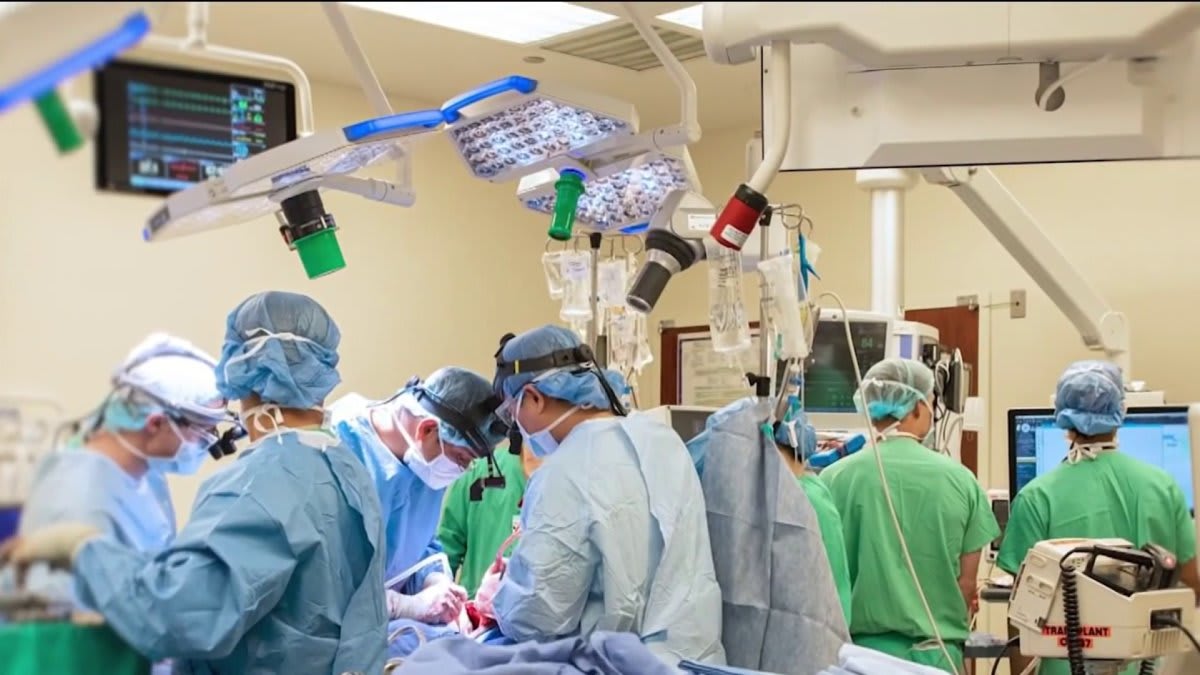
Stuart Orkin and Swee Lay Thein won another prize for transforming sickle cell disease and beta-thalassemia from incurable to treatable through gene editing. These blood disorders once meant lifelong suffering, but their research opened the door to cures that are helping patients worldwide.
Rosa Rademakers and Bryan Traynor were recognized for identifying a key genetic cause of ALS and frontotemporal dementia. Understanding what triggers these devastating diseases brings hope for future treatments.
The physics prize went to teams who measured the magnetic moment of a subatomic particle called the muon with mind-blowing precision. Mathematician Frank Merle won for revealing deep truths about how waves behave. A special physics prize honored David Gross for his pioneering theory of the strong nuclear force that holds atoms together.
The Ripple Effect: These prizes do more than celebrate individual achievements. The gene therapy for inherited blindness proved the technology could work safely, establishing pathways for hundreds of other trials. Over 100 retinal gene therapy trials have launched since, with more than half a dozen in late-stage testing. When one breakthrough succeeds, it lights the way for countless others.
The foundation has now awarded over $340 million across 15 years, supporting both established scientists and early-career researchers pushing the boundaries of human knowledge.
Today's impossible becomes tomorrow's standard treatment when brilliant minds refuse to give up on finding answers.
Based on reporting by Google News - Science
This story was written by BrightWire based on verified news reports.
Spread the positivity!
Share this good news with someone who needs it