)
Gene Therapy Cuts Bad Cholesterol 62% in Early Trial
A single gene-editing treatment could replace daily cholesterol pills for millions, after early trials showed one infusion cut dangerous LDL levels by 62% for up to 18 months. Scientists used CRISPR technology to modify how the body naturally clears cholesterol from blood.
Imagine never taking another cholesterol pill after a single medical appointment. That future moved closer to reality after scientists reported breakthrough results from an experimental gene therapy that targets the root cause of high cholesterol.
Researchers using CRISPR base-editing technology developed a one-time treatment that reduced bad cholesterol levels by up to 62% in early human trials. The effects lasted 18 months in some patients, with no daily pills required.
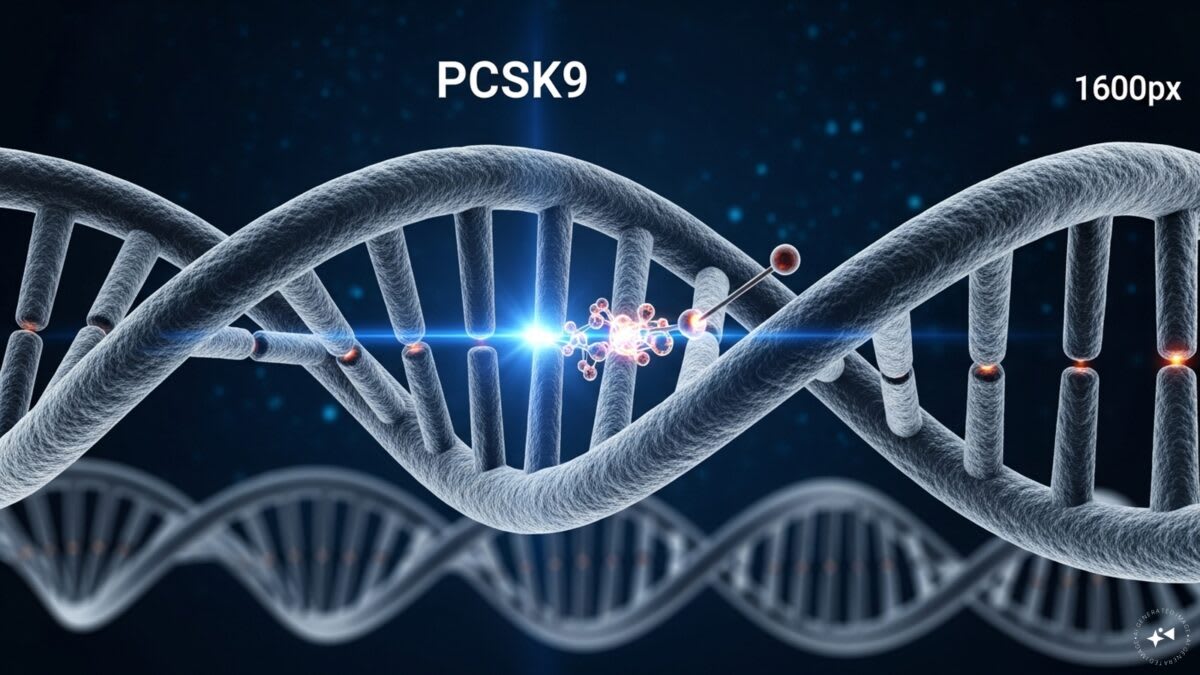
The therapy works by editing the PCSK9 gene, which controls how efficiently your body removes LDL cholesterol from the bloodstream. Think of it as reprogramming your cells to naturally do what statins force them to do chemically, every single day.
Eli Lilly's VERVE-102 program delivered the treatment through a single infusion. Patients in the trial experienced dramatic drops in their LDL levels, the type of cholesterol responsible for most heart attacks and strokes worldwide.
Heart disease remains the leading cause of death globally, affecting hundreds of millions who currently manage their condition with daily medication. Many struggle with side effects or simply forget to take their pills consistently.
Why This Inspires
This isn't just about convenience. It represents a fundamental shift in how we could treat chronic disease.
For decades, cardiovascular patients have managed their condition through lifelong medication routines. This approach offers something different: a potential one-and-done solution that addresses the biological problem at its source.
The implications stretch beyond individual patients. If proven safe and effective in larger trials, gene editing could transform how medicine approaches chronic conditions that currently require endless prescriptions, doctor visits, and lifestyle compromises.
Experts caution that important questions remain unanswered. Researchers still need to confirm the therapy's long-term safety, verify how long the effects truly last, and rule out unintended genetic changes. Larger clinical trials involving thousands of patients will help determine whether this laboratory success translates into real-world medicine.
The technology behind this breakthrough, called base editing, represents a more precise evolution of CRISPR gene editing. Instead of cutting DNA strands, it chemically converts one DNA letter to another, reducing the risk of errors.
Scientists have been working toward this moment for years, building on Nobel Prize-winning CRISPR research and refining techniques to make gene editing safer and more targeted. This trial represents one of the first times researchers have successfully used the technology to treat a common chronic condition rather than a rare genetic disease.
The path from promising trial results to approved treatment typically takes several more years of testing and regulatory review. But for the first time, doctors and patients can envision a world where managing cholesterol doesn't mean daily pills for life.
Based on reporting by Google News - Health Breakthrough
This story was written by BrightWire based on verified news reports.
Spread the positivity!
Share this good news with someone who needs it