George Harrison's 'My Sweet Lord' Hit #1 56 Years Ago
Fifty-six years ago, George Harrison's spiritual anthem "My Sweet Lord" topped charts worldwide, becoming the first solo #1 hit by an ex-Beatle. The song blended religious traditions and changed what popular music could express.
A former Beatle proved that spirituality and pop music could coexist beautifully when George Harrison's "My Sweet Lord" reached number one on UK charts 56 years ago today.
The song became a global phenomenon, topping charts in the US, Ireland, Canada, Australia, Japan, and seven other countries. Harrison's first solo single achieved something no ex-Beatle had done before: claim the number one spot independently.
What made "My Sweet Lord" revolutionary was its fearless spiritual message. Harrison blended the Hebrew word "hallelujah" with a Vedic mantra praising the Hindu god Krishna, creating a worldwide invitation to embrace direct connection with the divine. The lyrics reflected Harrison's belief that simple, sincere words could unite believers across all religions.
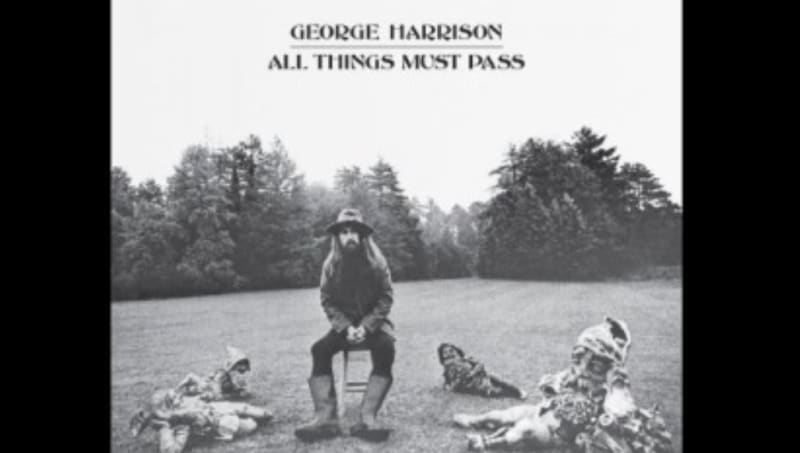
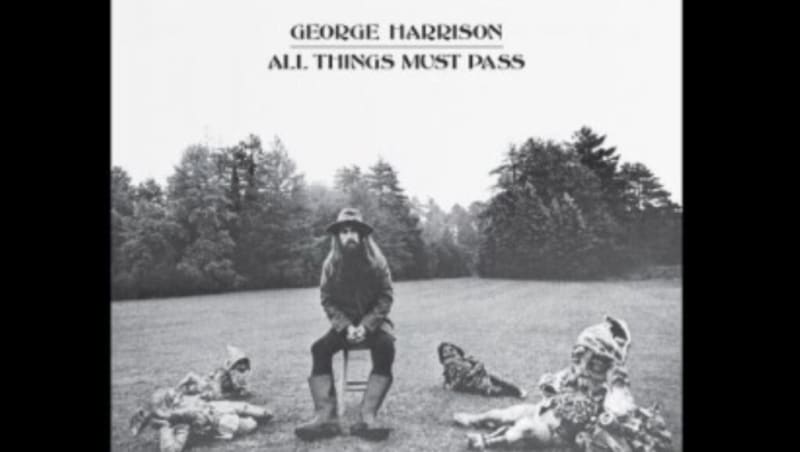
Harrison actually opposed releasing the song as a single, but Apple Studios recognized its potential from his triple album "All Things Must Pass." They were right. Without any concert appearances or promotional interviews, the track dominated radio stations purely through its powerful impact on listeners.
Elton John remembered hearing it for the first time in a taxi. "I thought, 'Oh my God,' and I got chills," he recalled, naming it the last great single of its era. The song rolled across airwaves "like a juggernaut," according to Harrison biographer Gary Tillery, commanding attention the way Bob Dylan's "Like a Rolling Stone" had in the mid-sixties.
Why This Inspires
The success of "My Sweet Lord" showed that audiences craved depth and meaning in their music. At a time when the world felt increasingly divided, Harrison offered a bridge between faiths, suggesting that different paths could lead to the same truth. His courage to blend Eastern and Western spiritual traditions on mainstream radio opened doors for countless artists to express their authentic beliefs without compromise.
The song's legacy reminds us that authenticity resonates across cultures and generations, and that music can be both commercially successful and spiritually meaningful.
More Images



Based on reporting by Good News Network
This story was written by BrightWire based on verified news reports.
Spread the positivity!
Share this good news with someone who needs it