George Lucas Opens $1B Museum Celebrating Human Stories
After nearly 20 years of planning and setbacks in two cities, Star Wars creator George Lucas has opened a massive Los Angeles museum dedicated to the art of visual storytelling. The spaceship-shaped building houses everything from ancient cave paintings to Banksy murals, celebrating how images unite humanity.
George Lucas spent decades building galaxies far, far away, but his latest project brought him back down to Earth with a challenge that "almost broke my will."
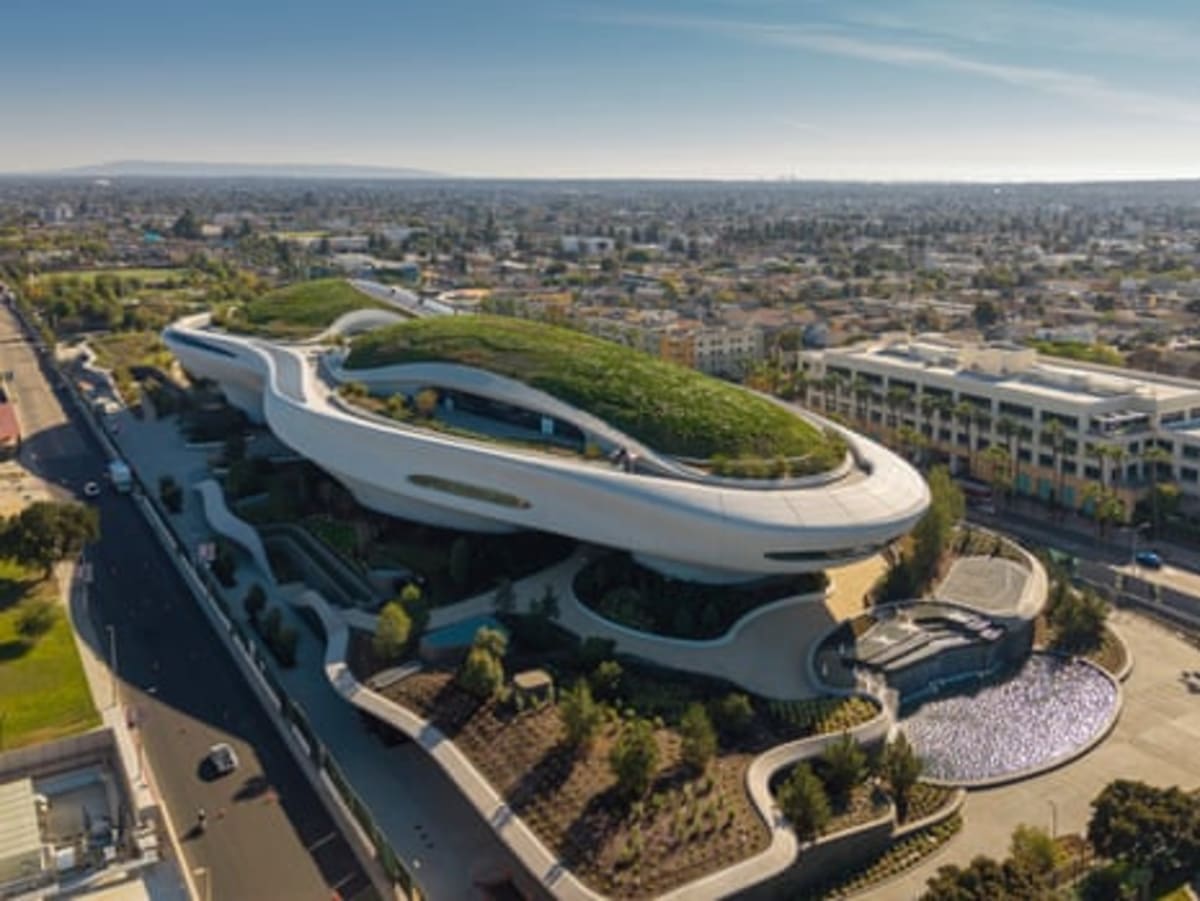
The legendary filmmaker has opened the Lucas Museum of Narrative Art in Los Angeles, a stunning spaceship-shaped building that towers over his alma mater, the University of Southern California. After failed attempts to build in San Francisco and Chicago, the museum finally opens its doors on September 22nd with a bold mission: celebrating visual storytelling as the glue that holds humanity together.
The museum's 100,000 square feet of gallery space houses an eclectic mix that might seem random at first glance. Visitors can see works by Norman Rockwell, Frida Kahlo, and Banksy alongside the Cowardly Lion costume from The Wizard of Oz, drawings of Garfield and Asterix, and yes, plenty of Star Wars artifacts.
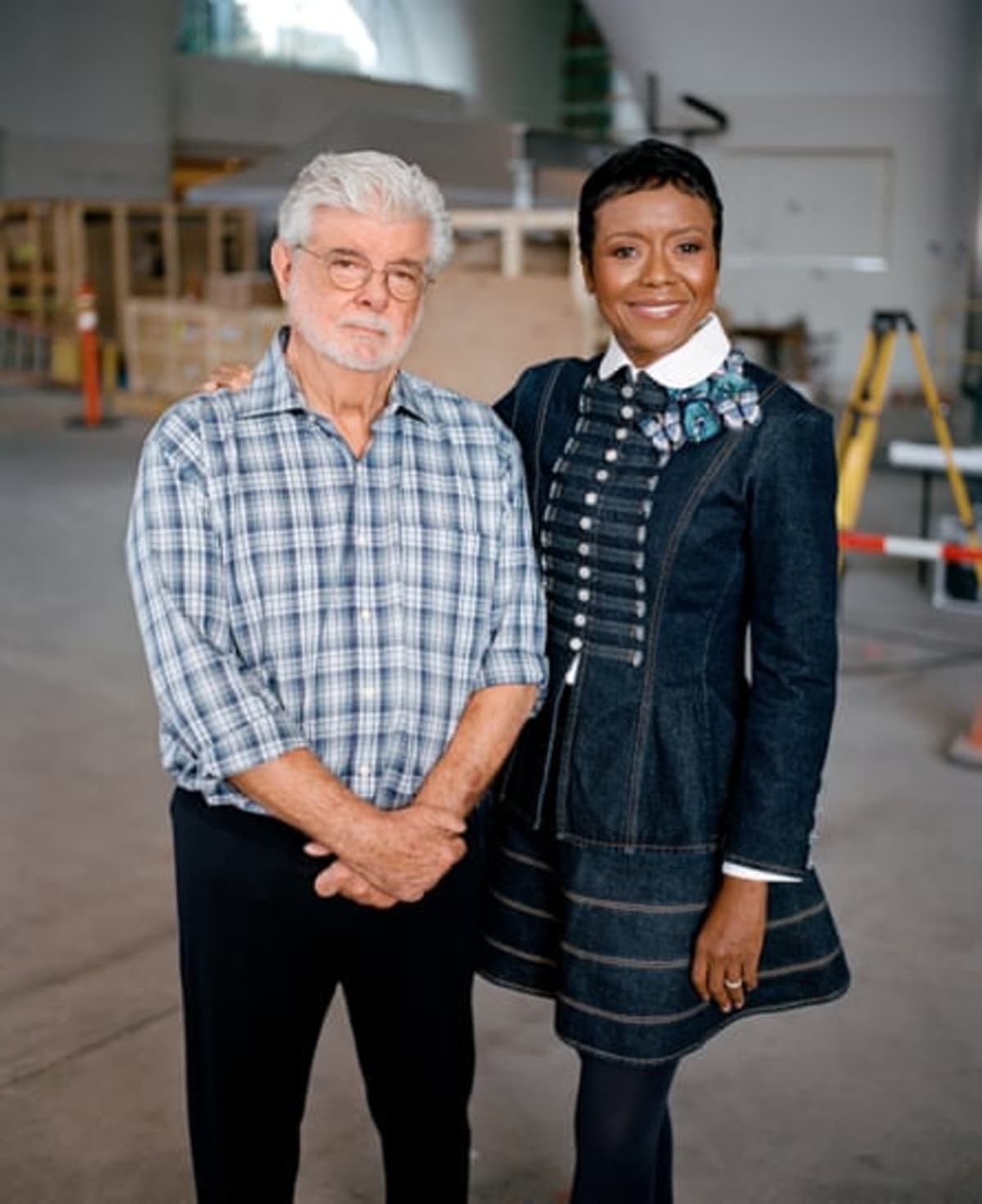
But there's a unifying thread. Every piece tells a story, often in a single frame, explained Mellody Hobson, Lucas's wife and co-founder.
"Visual storytelling is the art that surrounds us," said Ryan Linkof, the museum's senior curator. "Newspaper photographs, advertisements, book covers, comic books, posters, street art, movies."
The building itself tells a story too. Architect Ma Yansong designed the sleek structure inspired by tree canopies and clouds, though its flying saucer shape inevitably evokes Star Wars. A plaza between sections features an oculus opening that lets visitors "see the sky and the universe."
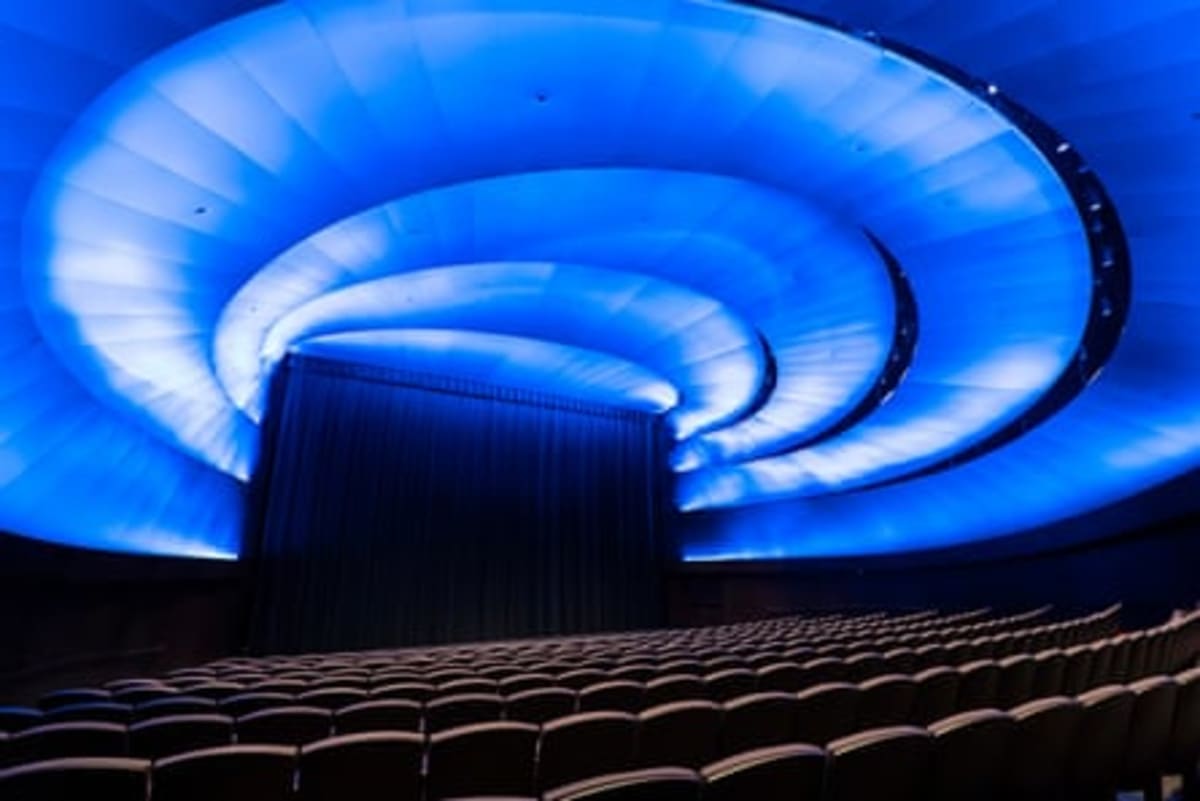
Inside, the ground floor takes visitors on a journey through thousands of years of storytelling, starting with an immersive recreation of cave paintings. Glass elevators whisk guests up to galleries organized by themes like community, childhood, and civic life, plus rooms dedicated to comics, manga, and children's stories.
The Ripple Effect
Lucas and Hobson see their museum as more than just an art collection. They believe visual stories create shared belief systems that allow communities to work together peacefully. Pictures make myths feel real, Lucas explained, and those shared narratives prevent chaos.
The museum features powerful examples of this unifying force. The civic life gallery showcases photography from the 1968 sanitation workers' strike and artwork opposing immigration raids. The mural room displays Judith Baca's sweeping history of Los Angeles along the river, plus several Banksy pieces.
Los Angeles proved to be the perfect home. "The largest, most popular form of narrative art is cinema," said museum director Sandra Jackson-Dumont. "So what better space for it to be than the home of storytelling?"
After two decades of collecting, planning, and persisting through rejections, Lucas has created something that speaks to our shared humanity across cultures and centuries.
More Images

Based on reporting by Google News - Entertainment
This story was written by BrightWire based on verified news reports.
Spread the positivity!
Share this good news with someone who needs it