Georgia Hospital Now Offers Early Alzheimer's Treatment
SGMC Health in South Georgia becomes the first in the region to offer FDA-approved infusion therapy that slows early Alzheimer's progression. The treatment helps patients maintain independence longer by targeting the disease itself, not just symptoms.
Families facing early Alzheimer's disease in South Georgia now have access to a treatment that can slow the condition's progression, giving patients precious extra time with their loved ones.
SGMC Health in Valdosta announced it now offers FDA-approved anti-amyloid infusion therapy for people in the earliest stages of Alzheimer's disease. The treatment marks a significant shift in how doctors can help patients, moving beyond symptom management to actually slowing the disease itself.
The therapy works by helping the body remove harmful substances in the brain believed to contribute to Alzheimer's disease. Patients receive regular IV infusions under close medical supervision at SGMC Neurology.
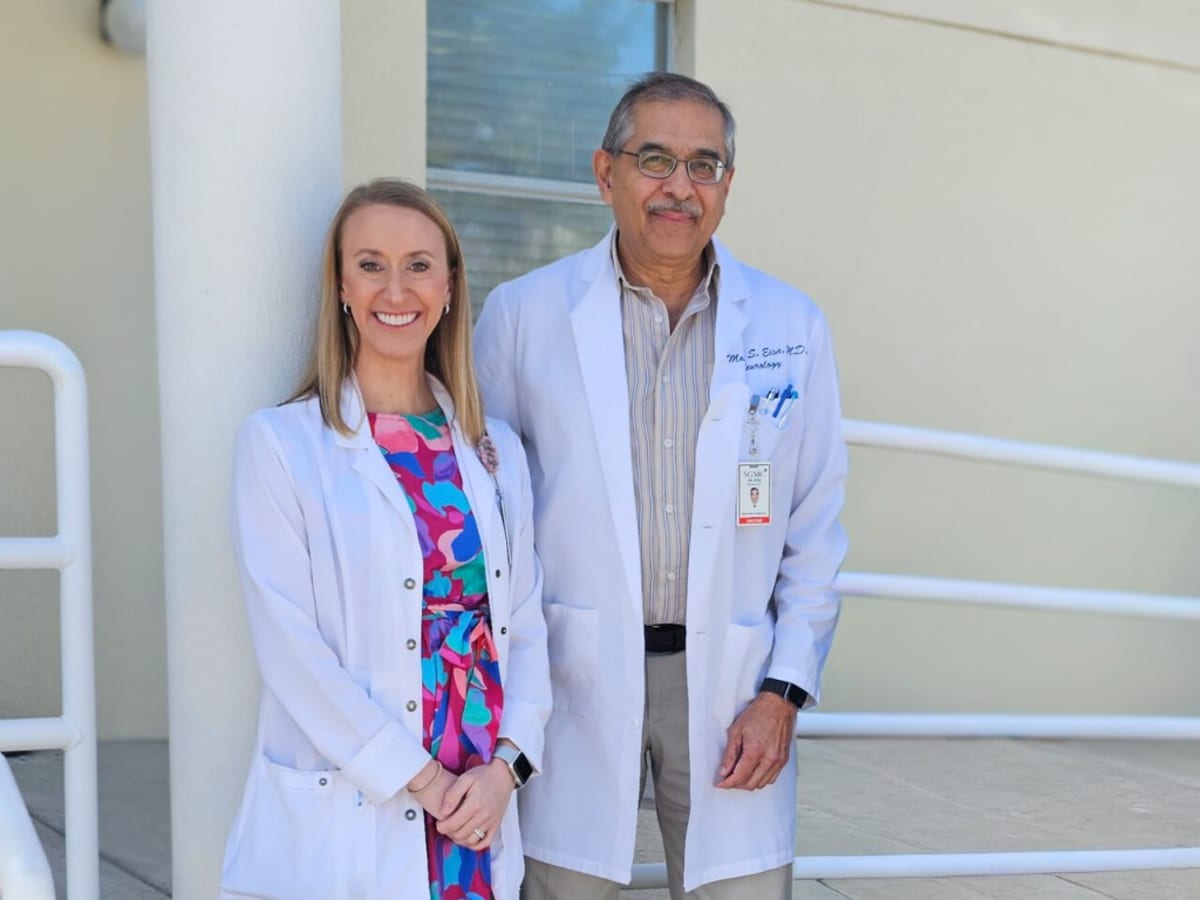
Dr. Mahmood Eisa, a neurologist at SGMC Health, emphasized the treatment's potential impact. "While this treatment does not cure Alzheimer's or restore lost memories, it can slow how quickly the disease progresses for some patients, which can make a meaningful difference for both individuals and their families," he said.
The treatment isn't a one-size-fits-all solution. Only patients in the earliest stages qualify, and each person must complete several evaluations to ensure the therapy is safe and appropriate for them.
Candidates typically experience early memory or thinking changes linked to Alzheimer's, complete testing that confirms these changes, and can commit to regular infusion visits and follow-up appointments. The SGMC neurology team works closely with patients and caregivers to determine if the treatment is right for them.
The Ripple Effect
This advancement reaches far beyond individual patients. For families in rural South Georgia, having access to cutting-edge Alzheimer's treatment locally means they don't have to travel hours to major cities for care.
The earlier Alzheimer's is identified, the more effective these treatments can be. When patients maintain their independence and daily routines longer, caregivers experience less stress and families get more quality time together.
Dr. Eisa's team prioritizes education and shared decision-making. "Our team takes time to educate patients and families, answer questions, and monitor closely every step of the way," he explained. "This is very much a shared decision, and we want people to feel informed and supported."
Anyone noticing changes in memory, decision-making, or daily functioning in themselves or loved ones is encouraged to contact their healthcare provider or call SGMC Neurology at (229) 242-1234.
Hope for Alzheimer's patients and their families just got a little closer to home.
Based on reporting by Google News - Disease Cure
This story was written by BrightWire based on verified news reports.
Spread the positivity!
Share this good news with someone who needs it