Georgia Treatment Court Combines Mental Health and Addiction
Whitfield County's new dual-track treatment court helps people tackle both addiction and mental health challenges together. After 116 overdoses in 2025, judges are changing lives with weekly support instead of years-long probation.
Two Georgia counties just launched a program that treats addiction and mental illness as partners, not separate problems.
Whitfield and Murray counties rolled out a combined treatment court that gives participants two paths to recovery. The program typically takes 18 months and replaces traditional probation with weekly judge check-ins and real-world life skills training.
The timing couldn't be more urgent. Whitfield County Sheriff's Office reported 116 overdoses in 2025 alone, and research shows more than half of adolescents in drug treatment also meet criteria for mental illness.
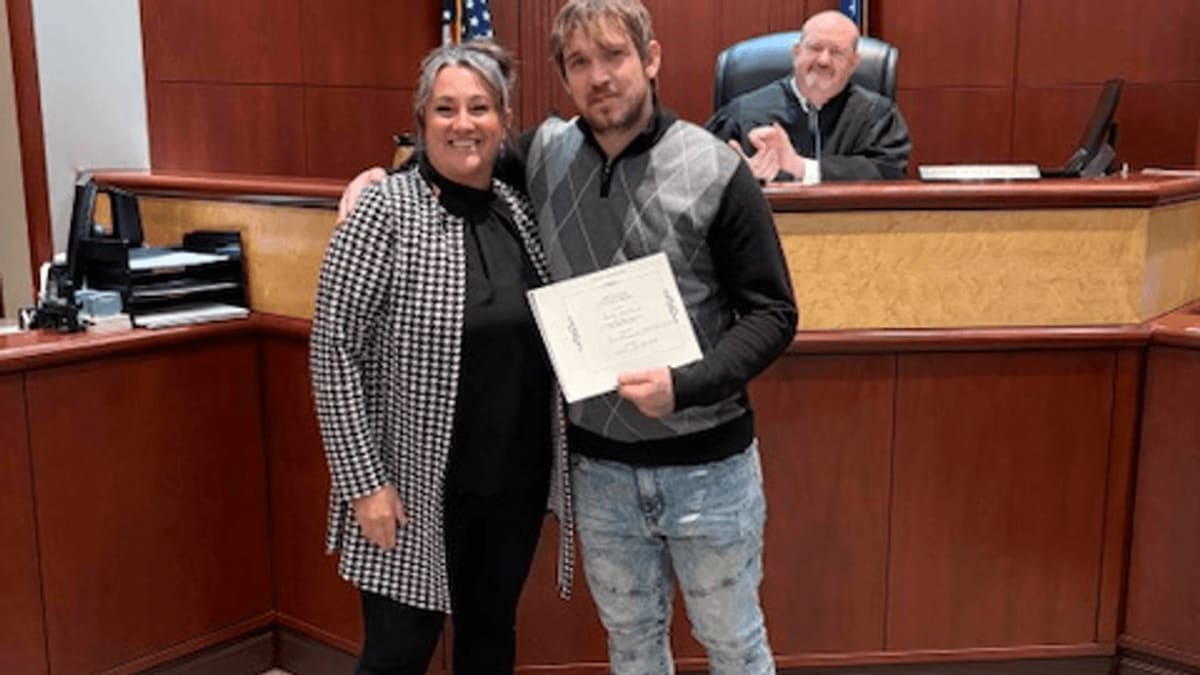
Two graduates already completed the program in March 2026, proving the model works. Judge Scott Minter says the old approach of cycling the same offenders through the system wasn't cutting it anymore.
"What we had been doing before didn't seem to be working," Minter explained. "We would just see the same offenders over and over again."
The program goes far beyond staying clean. Chief Superior Court Judge Cindy Morris says many participants have never had a driver's license or bank account. The court helps them build basic tools for independent living while addressing their underlying struggles.
Judge Bert Poston meets every participant after their plea to deliver a simple message: everyone on the staff and in the program wants them to succeed. He tells them to listen, talk to counselors, and trust the process toward graduation day.
Last April, the drug court portion alone celebrated six graduates in one of its largest ceremonies ever. Now the mental health track doubles the program's reach.
The Ripple Effect
The real innovation here is recognizing that addiction and mental health feed each other. By treating both simultaneously with consistent support, the program breaks cycles that traditional probation couldn't touch.
Morris emphasizes that showing up isn't enough. Participants must leave better than they arrived, equipped with skills that make relapse less likely and success more achievable.
The judges' final message to graduates captures the program's spirit perfectly: you've already done the hard work, now use these tools to change your life.
Based on reporting by Google News - New Treatment
This story was written by BrightWire based on verified news reports.
Spread the positivity!
Share this good news with someone who needs it