Geothermal Energy Unites Republicans and Democrats
While politicians clash over wind and solar power, one renewable energy source is winning fans on both sides of the aisle. Geothermal heating and cooling systems are proving they work, saving money while keeping America's buildings comfortable year-round.
While natural gas prices jumped 60 percent during recent cold snaps, homeowners and businesses using geothermal heating didn't blink at their bills. Their costs stayed steady, powered by the Earth's constant 55-degree underground temperature.
Geothermal systems use pipes and water to tap into that reliable warmth, using heat pumps to pull heat from rocks for winter heating and push it back underground for summer cooling. It's simple physics that's creating an unusual political alliance.
U.S. Secretary of Energy Chris Wright, whose company invested millions in geothermal, now champions the technology from Washington. Across party lines, lawmakers are backing this quiet renewable that avoids the heated debates surrounding wind and solar farms.
Reporter Phil McKenna recently toured working geothermal projects across Iowa, Wisconsin, and Minnesota to see how they perform in real life. He found systems that have run smoothly for 15 to 20 years, proving the technology isn't just theory.
In West Union, Iowa, a farm town of 2,500 people heats and cools a dozen downtown buildings with geothermal. The system just works, year after year, without drama or headlines.
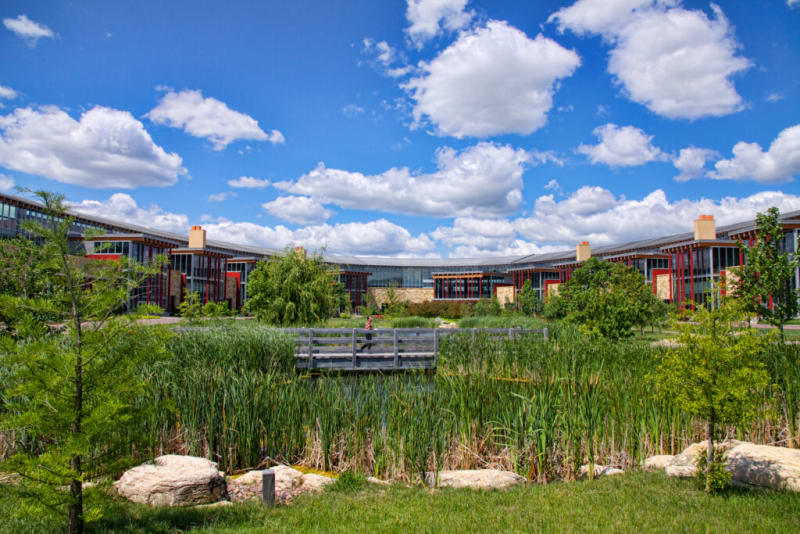
The most impressive site sits in Wisconsin, where Epic Systems runs the world's largest geothermal network. The medical records company heats and cools its entire 400-acre campus using 6,000 boreholes in the ground, serving 12,000 employees daily.
Epic discovered something important 20 years ago when they started. As geothermal networks grow bigger, they get more efficient and cheaper to run.
The magic happens when you connect buildings with different needs. An ice rink needs constant cooling while nearby homes need winter heating. Connect them through one geothermal network, and you can shuffle that energy between buildings instead of generating it from scratch.
The catch is upfront cost. Building these systems requires significant investment before you see the 75 percent efficiency gains compared to conventional heating and cooling.
The Ripple Effect
The 2022 Inflation Reduction Act included incentives to help communities overcome that initial cost barrier. Utility companies across the country are now launching pilot projects, learning from pioneers like Epic Systems.
Communities watching their heating bills spike with every cold snap are taking notice. Geothermal offers something rare in today's energy debates: a solution that saves money, cuts emissions, and doesn't require choosing political sides.
In St. Paul, Minnesota, a new mixed-use housing development called The Heights is tapping underground aquifers for heating and cooling. Residents will enjoy stable energy costs while the planet gets a break from fossil fuel emissions.
These aren't experimental projects anymore; they're proven systems showing other communities what's possible. Every successful geothermal network makes the next one easier and cheaper to build.
More Images
Based on reporting by Inside Climate News
This story was written by BrightWire based on verified news reports.
Spread the positivity!
Share this good news with someone who needs it