German Cities Build Temples, Synagogues for Growing Communities
Germany's religious landscape is transforming as cities welcome new Hindu temples, Buddhist monasteries, and expanded mosques alongside traditional churches. In Erlangen, Bavaria, four different faith communities are simultaneously building or expanding their sacred spaces.
When Erlangen's city planners looked at their future construction projects, they saw something remarkable: a new synagogue, two mosque expansions, a Hindu temple, and a thriving Coptic church all taking shape at once.
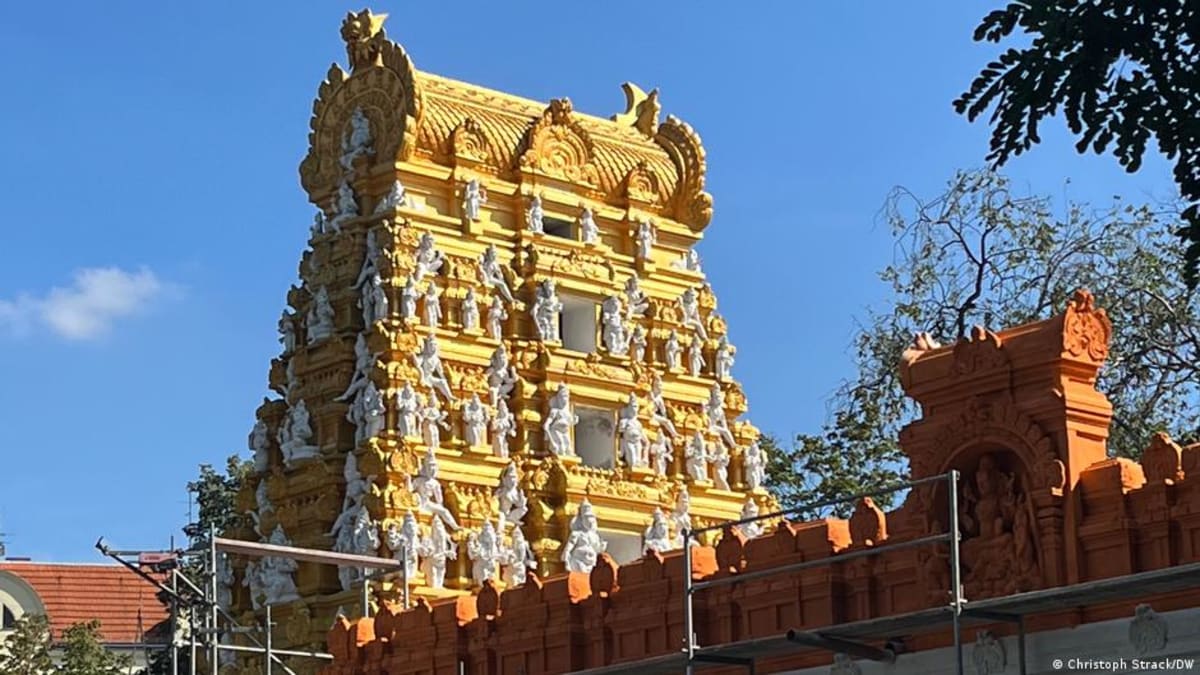
The Bavarian city of 119,000 is quietly becoming a model for religious diversity in action. The state provided land near the university for a new synagogue, while the Hindu Tempel Franken association purchased its own plot using donations and a loan to build a Shiva-Vishnu temple by 2027.
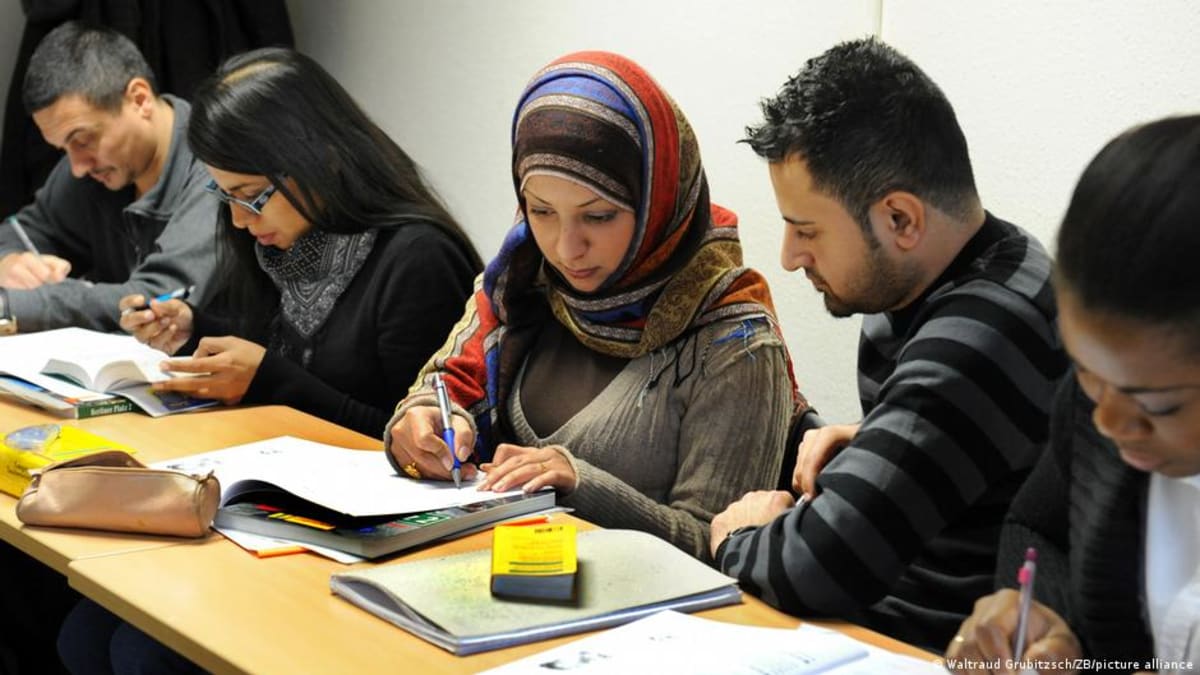
"We now have more than 2,000 students from India," says Silvia Klein, who heads Erlangen's Department of Integration and Diversity. The Indian community has become the city's largest non-German population group, driving the need for new sacred spaces.
Just three years ago, the local Coptic Orthodox congregation took over a former Catholic church building. Deacon Ragai Edward Matta watched his community grow from 18 families to more than 60 families with 200 members, plus 40 students.
This growth comes as Germany's traditional Christian churches shrink. Today, only 44% of Germany's 83.5 million people identify as Catholic or Protestant, down from over half just a few years ago.
The Ripple Effect
The changes are visible across German cities. Buddhist nuns opened a prominent new temple in Berlin last summer, joining roughly 20 Buddhist monasteries nationwide. In June 2026, Berlin will celebrate the opening of Germany's largest Hindu temple, a project that began planning in 2004.
The number of Berlin residents with Indian citizenship increased more than tenfold between 2014 and 2024. Meanwhile, more than 5.3 million Muslims and 3.8 million Orthodox Christians now call Germany home, alongside growing Jewish, Buddhist, Baháʼí, and Hindu populations.
Cities are responding by making room. Where old church buildings close, new congregations move in. Where communities grow, local governments help find land. The result is a quieter kind of integration happening in neighborhoods across the country.
Germany's skyline is changing one temple, mosque, and monastery at a time, proving that cities can grow more diverse while bringing people together.
Based on reporting by DW News
This story was written by BrightWire based on verified news reports.
Spread the positivity!
Share this good news with someone who needs it