German Factory to Deploy 1,000 Humanoid Robots by 2032
A major European manufacturer just committed to adding 1,000 wheeled humanoid robots to its production lines, marking one of the largest industrial humanoid deployments ever announced. The move signals that practical, helpful robots are finally ready to work alongside humans in real factories.
📺 Watch the full story above
Schaeffler, a German precision engineering company, is bringing science fiction to life with a plan to deploy 1,000 AEON humanoid robots across its global factories by 2032.
The commitment follows a successful pilot program where AEON robots proved they could handle real manufacturing tasks. These aren't clunky prototypes. They're wheeled humanoids that successfully loaded, unloaded, and inspected parts at actual production stations.
What makes AEON different is its design approach. Instead of trying to perfectly mimic human legs, the robots combine a humanoid upper body with wheels for mobility. This hybrid design delivers the flexibility factories need without sacrificing stability or speed.
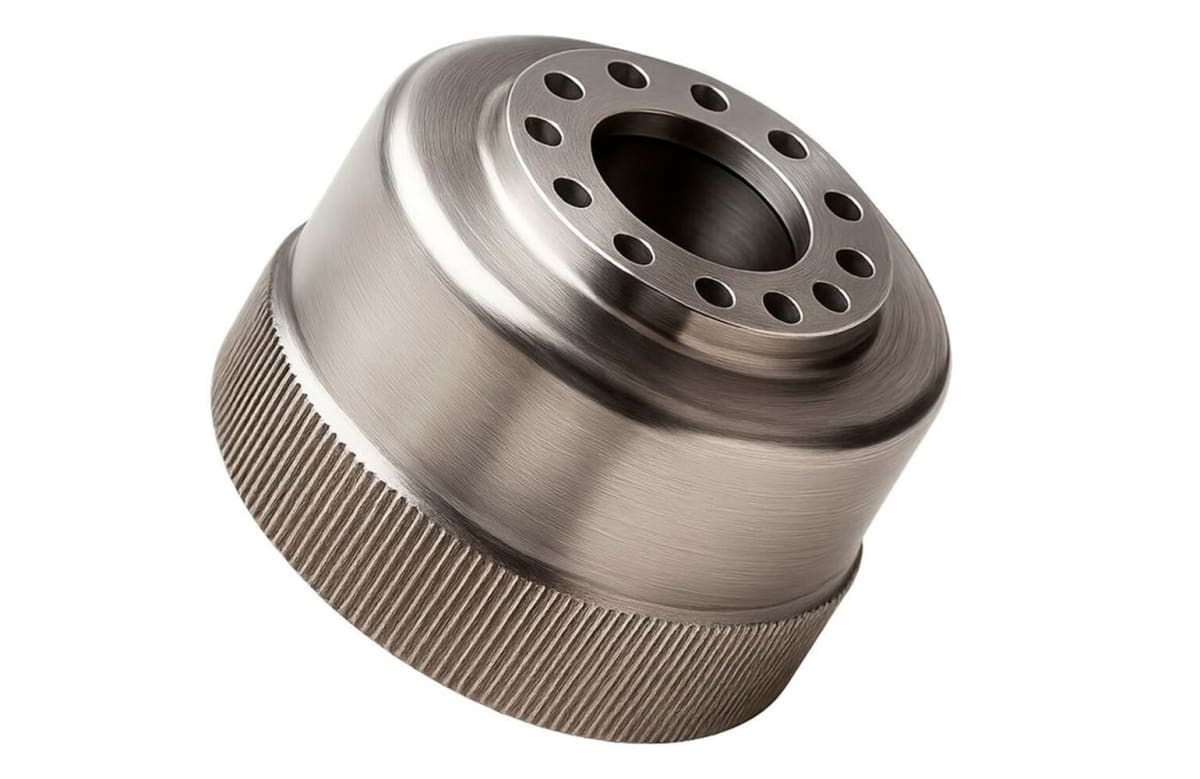
Schaeffler isn't just buying the robots. The company is also supplying its high-precision actuators to power AEON's movements, creating a partnership where both companies strengthen each other's technology.
The first wave of robots will tackle parts inspection starting in late 2026. From there, Schaeffler plans to expand AEON's capabilities across multiple factory sites and applications.
The Ripple Effect
This partnership represents a turning point for humanoid robotics moving from flashy demos to actual industrial value. Every robot deployment generates real-world data that helps the next generation work better and deploy faster.
Schaeffler is also partnering with VinDynamics, a Southeast Asian humanoid developer, to advance actuator technology even further. The collaboration includes sharing operational data to improve robot performance and enable predictive maintenance before problems occur.
These robots aren't replacing human workers but handling repetitive precision tasks that free people for more complex work. The technology could help factories maintain competitiveness while creating safer, more efficient production environments.
The company calls it "physical AI," and the goal is clear: make humanoid robots practical enough for widespread industrial use. With nearly a decade to scale up production and refine the technology, both companies are betting that helpful humanoid coworkers will soon be normal in factories worldwide.
More Images


Based on reporting by The Robot Report
This story was written by BrightWire based on verified news reports.
Spread the positivity!
Share this good news with someone who needs it