German Firm Slashes Robot Cost 25% With 2027 Gearbox Plan
A German company just cracked the code on making humanoid robots dramatically cheaper. Their breakthrough manufacturing process could bring helpful robots into factories and homes faster than anyone expected.
📺 Watch the full story above
Schaeffler Technologies just solved one of the biggest problems holding back humanoid robots: the cost of making them move like humans.
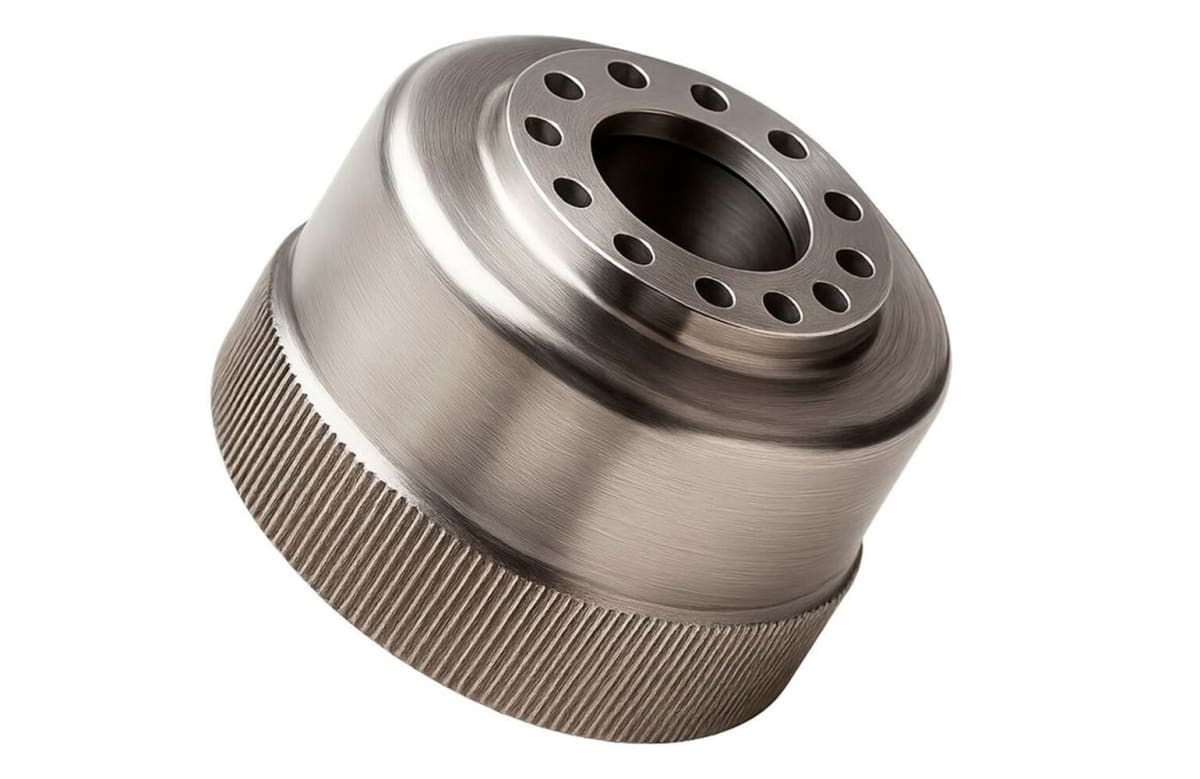
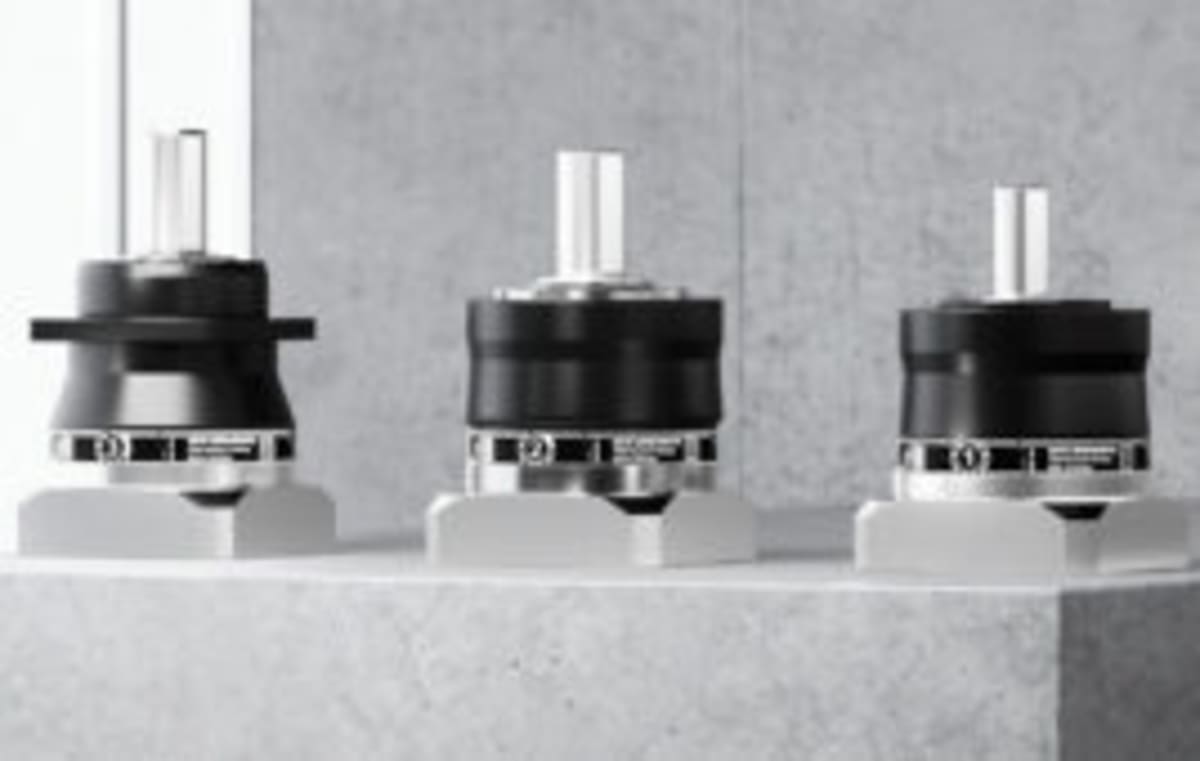
The German company announced it will mass produce specialized gearboxes for humanoid robots starting in 2027. These tiny but crucial parts make up about half the total cost of building a humanoid robot, so making them cheaper and faster could transform the entire industry.
Here's what makes this exciting. Traditional methods for creating these precision gearboxes involve slowly cutting away metal, which takes minutes per part and wastes most of the material. Schaeffler's new forming process shapes the metal in seconds using high pressure, like stamping instead of carving.
The results speak for themselves. Manufacturing time drops from minutes to seconds per component. Costs fall by more than 25%, and material waste plummets by over 75%.
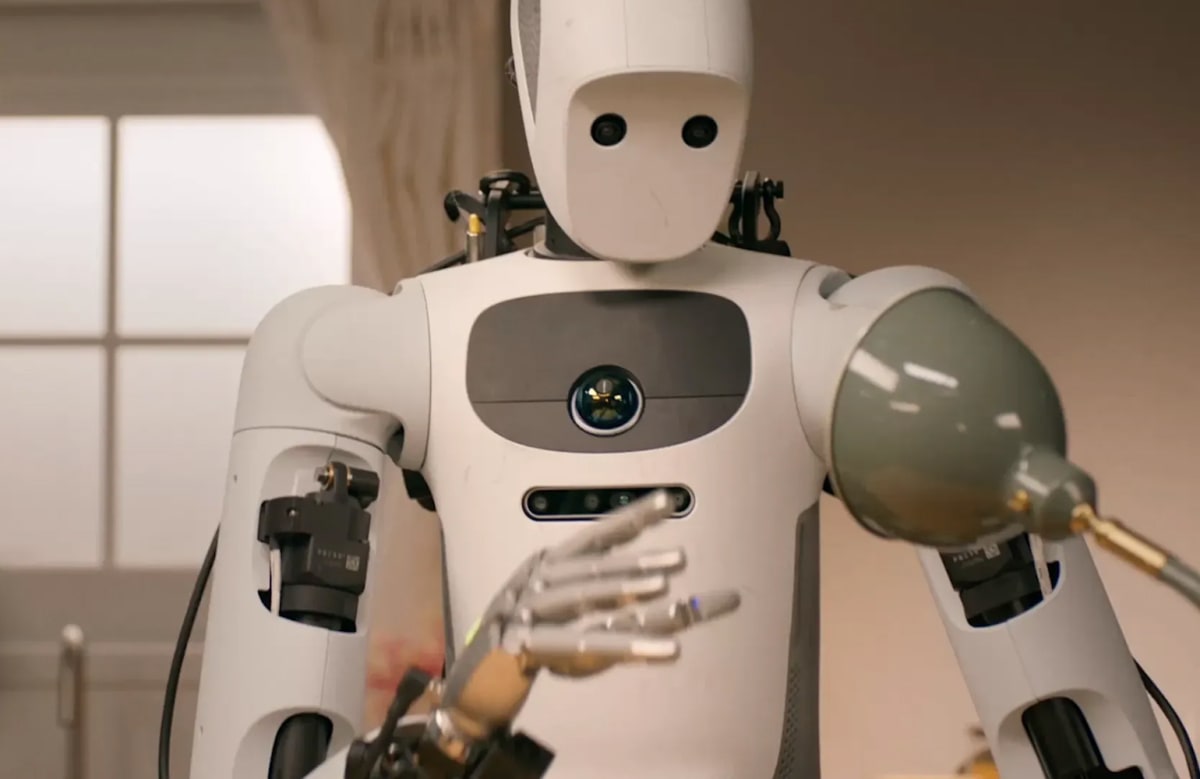
"We deploy humanoids along our entire global value chain and therefore have first-hand knowledge of the requirements of this technology," said David Kehr, Schaeffler's president of humanoid robotics. The company isn't guessing what robots need because they already use them in their own factories.
Schaeffler brings serious credentials to this challenge. Over the past decade, they've already delivered more than 2 million similar gearboxes to the automotive industry worldwide. Now they're applying that manufacturing muscle to robotics.
The gearboxes themselves are engineering marvels called strain wave gearboxes. They transmit motion with incredible precision and power in tight spaces, exactly what robotic joints need to move smoothly and reliably like human limbs.
Production will start in Germany before expanding globally. The company has finished extensive testing and validation, confirming the formed gearboxes match the performance of traditionally manufactured versions.
Why This Inspires
This breakthrough matters because it tackles the economics that have kept humanoid robots rare and expensive. When key components become 25% cheaper to make and can be produced at automotive industry scale, robots that assist in dangerous jobs or help aging populations become realistic instead of futuristic.
Schaeffler isn't just promising future robots; they're building the manufacturing foundation that makes them practical today.
More Images

Based on reporting by The Robot Report
This story was written by BrightWire based on verified news reports.
Spread the positivity!
Share this good news with someone who needs it