German Forests Absorb 3% More Methane Each Year
Forest soils in Germany are becoming better at removing methane from the atmosphere as the climate changes. A groundbreaking 24-year study reveals that warmer, drier conditions actually boost forests' ability to fight this powerful greenhouse gas.
Deep in the forests of southwestern Germany, something remarkable is happening beneath our feet. Scientists have discovered that forest soils are getting better at pulling methane out of the air, offering a rare piece of good news in the climate story.
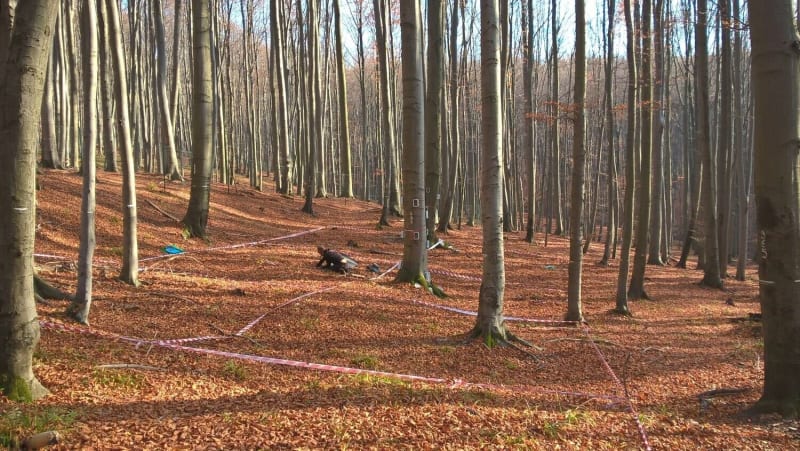
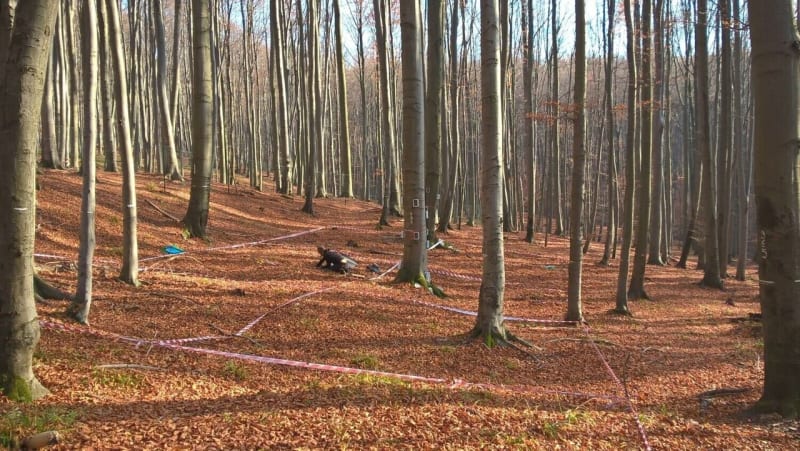
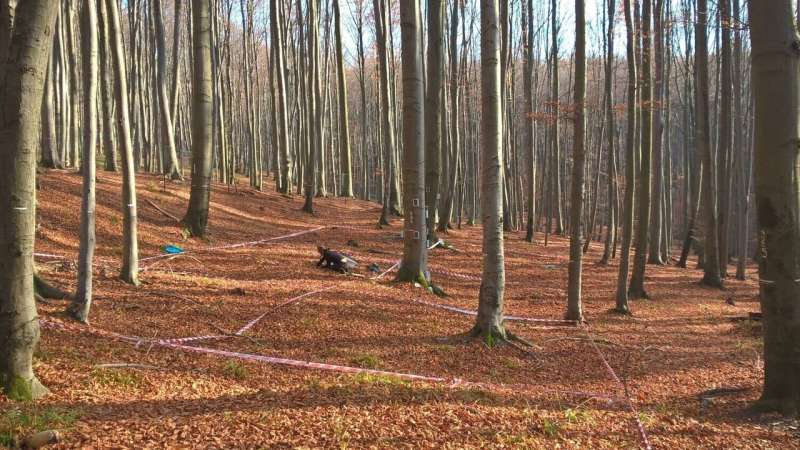
Researchers from the University of Göttingen spent 24 years studying 13 forest plots, creating the world's most comprehensive dataset on how forest soils interact with methane. They found that these soils absorb 3% more methane each year, turning forests into increasingly powerful climate protectors.
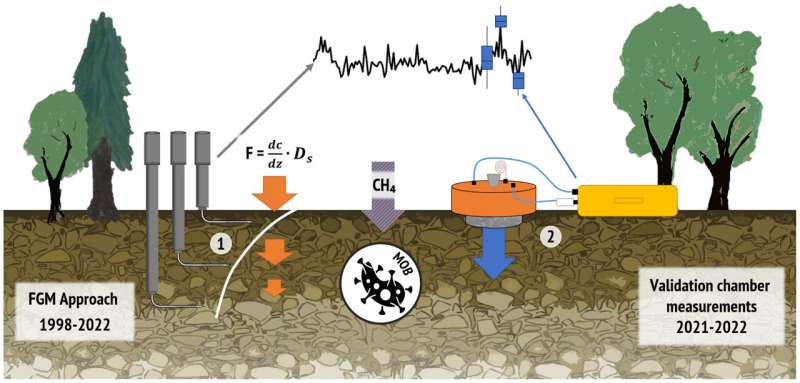
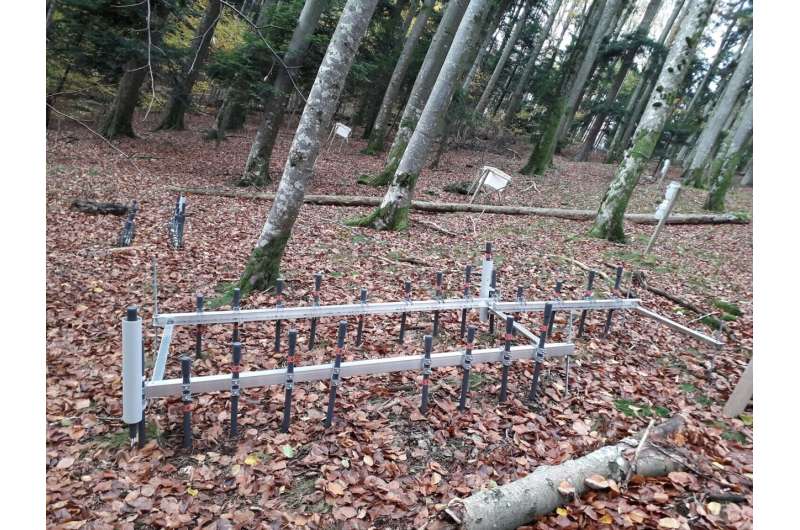
Methane is a greenhouse gas much more potent than carbon dioxide, so every molecule removed from the atmosphere makes a real difference. The team measured soil gases every two weeks for more than two decades, tracking exactly how much methane disappeared into the earth.
The surprising twist? Climate change itself might be making forests better at this job. As temperatures rise and rainfall decreases, soils dry out and develop more air-filled pores, allowing methane to penetrate deeper. Warmer temperatures also help microorganisms in the soil break down methane faster.
Professor Martin Maier, who led the study, found results that contradict what many scientists expected. While a major U.S. study showed methane absorption declining by up to 80% due to increased rainfall, the German forests told a different story entirely.
The data revealed significant differences between locations, but the overall trend pointed upward. Forest soils in southwestern Germany are absorbing substantial amounts of methane, especially during warmer, drier years.
The Bright Side
This research reminds us that nature doesn't always respond to change in predictable ways. While we often hear about climate feedback loops that make warming worse, this study reveals a negative feedback loop, one that could help slow the problem.
The findings also highlight why long-term ecological monitoring matters so much. Without decades of patient, consistent measurements, scientists would have missed this encouraging pattern entirely. Short-term studies can mislead us about what's really happening in complex natural systems.
The research team verified their findings using multiple measurement techniques, ensuring the results were rock solid. Their work shows that different regions will experience climate change differently, and some of those differences might surprise us.
These German forests are quietly doing heroic work, filtering methane from the air year after year. As climate patterns shift, they're adapting in ways that benefit us all, offering hope that nature still has some tricks up its sleeve in the fight against greenhouse gases.
More Images
Based on reporting by Phys.org - Earth
This story was written by BrightWire based on verified news reports.
Spread the positivity!
Share this good news with someone who needs it