German Scientists Boost Sodium Battery Efficiency to 82%
Researchers just solved a major problem holding back sustainable batteries that could replace lithium. The breakthrough makes eco-friendly sodium-ion batteries work 4.5 times better than before.
Scientists in Germany just cracked a puzzle that's been holding back the next generation of sustainable batteries.
Researchers at the Federal Institute for Materials Research and Testing (BAM) developed a new battery component that jumps efficiency from a disappointing 18% to an impressive 82%. The innovation could finally make sodium-ion batteries a real alternative to the lithium-ion batteries powering everything from phones to electric cars.
The problem they solved was surprisingly simple yet frustrating. When sodium-ion batteries charged for the first time during manufacturing, unwanted chemical reactions ate up most of their storage capacity. Electrolyte molecules would invade the porous carbon anode and hog space meant for sodium ions.
Think of it like a sponge filling up with the wrong liquid. Once those unwanted molecules settled in, they weren't coming back out.
Tim-Patrick Fellinger, a BAM energy materials expert, realized one material couldn't do both jobs well. Materials that stored energy efficiently were terrible at blocking those invading molecules.
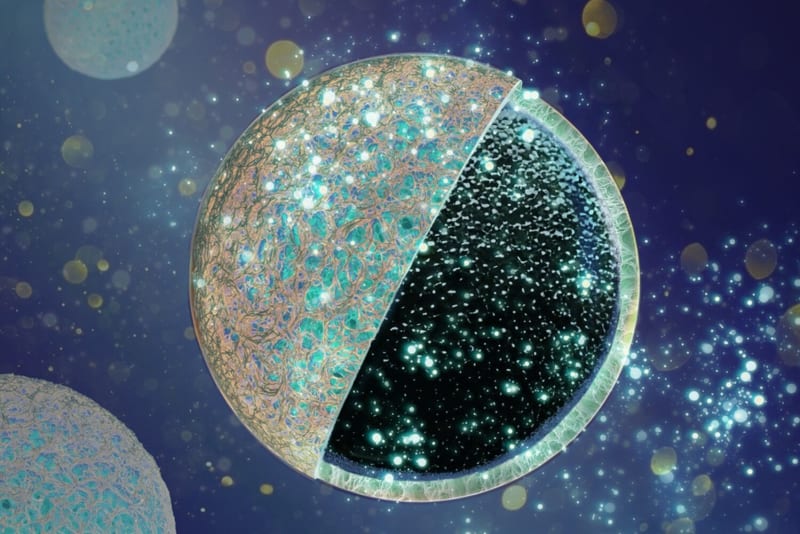
His team's solution was brilliant in its elegance. They wrapped a porous, sponge-like carbon core with an ultra-thin outer shell that acts like a selective filter. Sodium ions pass right through, but disruptive electrolyte molecules stay out.
The protective coating uses activated carbon, an inexpensive and environmentally friendly material already used in water filters and air purifiers. That makes this technology both effective and economically viable for mass production.
Why This Inspires
This breakthrough matters beyond just better batteries. Sodium is abundant in seawater and costs far less than lithium, which requires environmentally damaging mining operations often concentrated in just a few countries.
Making sodium batteries work efficiently means energy storage could become cheaper and more accessible worldwide. Countries without lithium deposits could manufacture their own batteries using readily available materials.
Team member Paul Appel pointed out something even more exciting. While cathode improvements are hitting their limits, anode innovation is wide open territory. Nobody knows yet where the performance ceiling is or what future breakthroughs might achieve.
The study, published in Angewandte Chemie International Edition, shows the 82% efficiency is just the beginning. The team believes separating the protective film formation from energy storage opens doors to optimizing each function independently.
The Ripple Effect
This innovation arrives at a perfect moment. Global demand for batteries is exploding as electric vehicles and renewable energy storage needs soar.
Lithium supplies face constraints, with mining concentrated in politically sensitive regions. Sodium batteries could democratize energy storage technology, making it accessible to more countries and communities.
The implications stretch from grid-scale renewable energy storage to affordable electric vehicles in developing nations. When clean energy technology becomes both cheaper and more sustainable to produce, adoption accelerates.
The researchers are already working on next-generation improvements, refining both the core storage material and the protective shell. Each advance brings sustainable energy storage closer to matching or exceeding current lithium technology.
This German lab just opened a door that many thought was stuck shut, proving that sometimes the best solutions come from rethinking the entire approach rather than pushing harder on what isn't working.
More Images

Based on reporting by Phys.org - Technology
This story was written by BrightWire based on verified news reports.
Spread the positivity!
Share this good news with someone who needs it