German Scientists Break Down 'Forever Chemicals' in Water
German researchers have developed two breakthrough methods that successfully degrade PFAS "forever chemicals" linked to cancer and immune problems. The techniques could finally offer a solution to removing these persistent pollutants from our water supply.
Scientists in Germany just solved a problem that has plagued our water for decades.
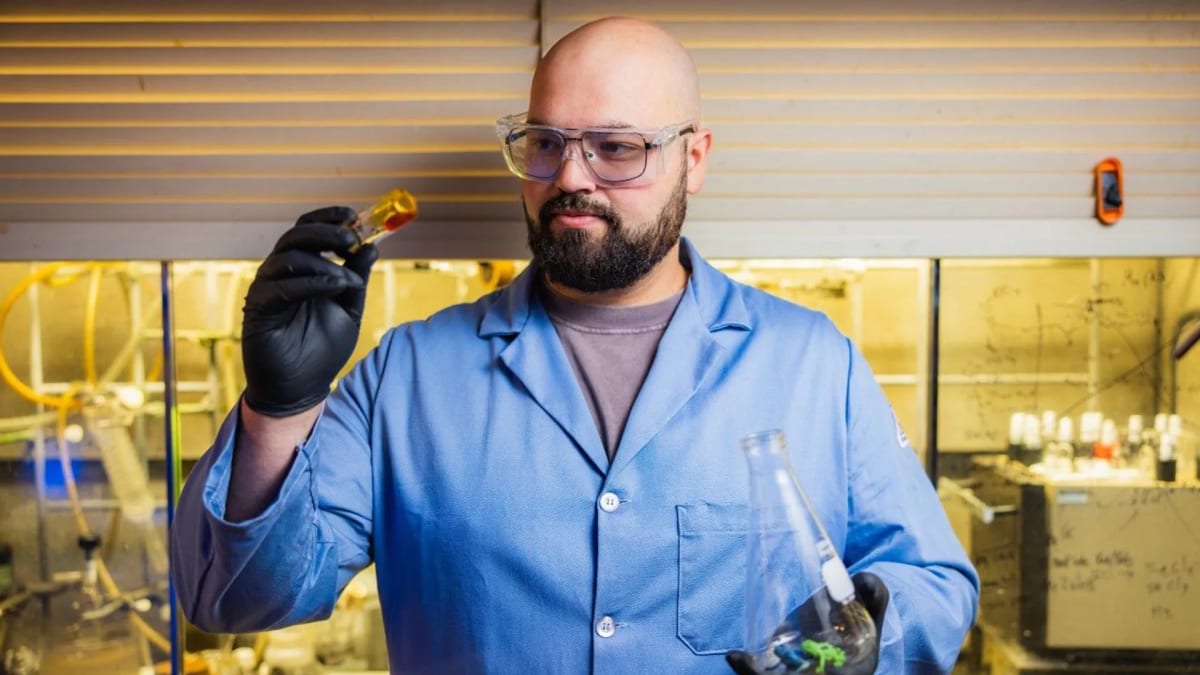
Researchers at the Helmholtz-Zentrum Dresden-Rossendorf have created two new methods to break down PFAS, the notorious "forever chemicals" that have been contaminating water supplies worldwide. These 10,000-plus synthetic substances refuse to decompose naturally and accumulate in our bodies, potentially causing cancer, developmental issues, and immune problems.
The first technique uses hydrodynamic cavitation, which sounds complex but works beautifully. Contaminated water flows through a narrow passage, creating tiny vapor bubbles. When these bubbles burst, the temperature spikes to several thousand degrees Celsius, breaking apart the PFAS molecules clinging to them.
Dr. Sebastian Reinecke, who heads the Department of Water and Environmental Technologies at HZDR, led the research team. In their experiments, they broke down 37% of perfluorooctane sulfonate (PFOS), one of the most stubborn PFAS chemicals, into harmless fluoride.
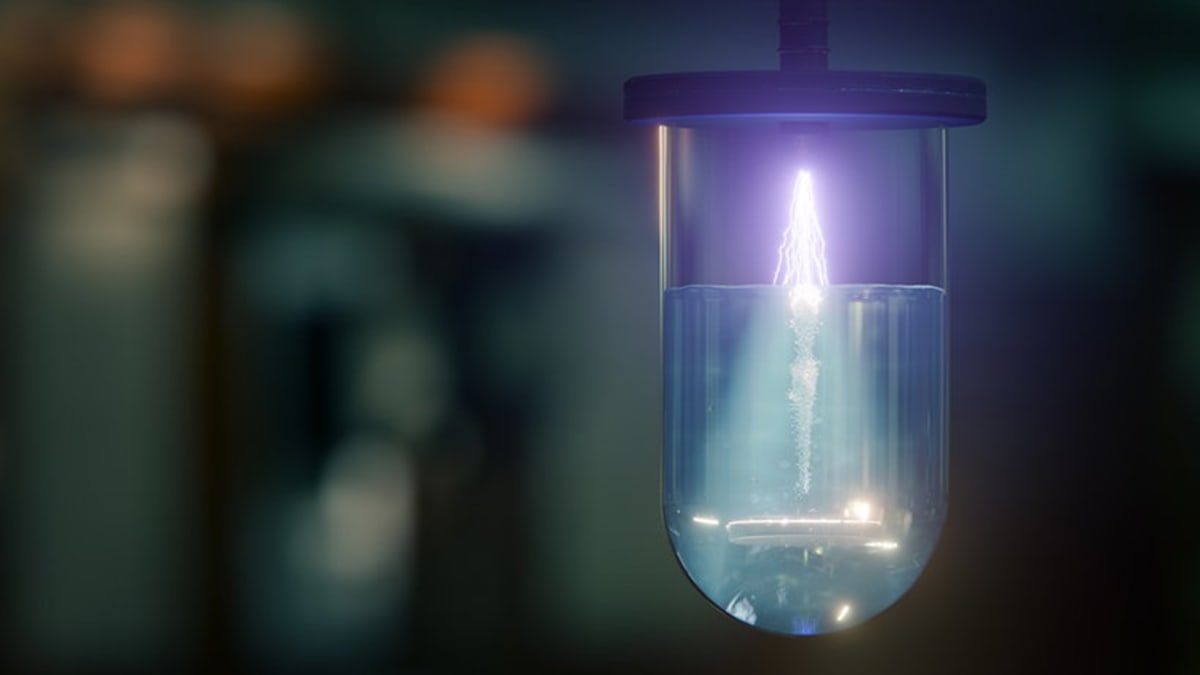
The second method employs cold atmospheric plasma combined with gas bubbles rising through contaminated water. As the bubbles surface, plasma at the water's top breaks down the PFAS attached to them. This approach degraded nearly all the long and short-chain PFAS in the test samples, releasing 35% of the fluorine atoms as fluoride salts.
Both studies appeared in respected journals in 2026, marking a major step forward in Germany's National Water Strategy to protect the country's water supplies. The research team conducted their work at the Helmholtz Center for Environmental Research, ensuring rigorous testing and validation.
The Ripple Effect
These breakthroughs could transform how industries handle wastewater worldwide. The research team is already scaling up from 50 milliliters to 5 liters of treatment capacity, working toward industrial applications that could clean contaminated water at manufacturing facilities before it reaches rivers and oceans.
Even more promising, Reinecke believes combining both methods could achieve degradation rates exceeding 80%, with more than half the toxic carbon-fluorine bonds completely broken down. That would turn a persistent environmental threat into harmless compounds that don't accumulate in living things.
The timing couldn't be better. PFAS contamination affects drinking water sources across the globe, and many of these chemicals' health effects remain unknown. Having a proven method to remove them before they enter our water system means future generations might never face the PFAS crisis we're dealing with today.
Clean water is within reach, and it's happening in German labs right now.
Based on reporting by Google News - Health Breakthrough
This story was written by BrightWire based on verified news reports.
Spread the positivity!
Share this good news with someone who needs it