German Scientists Design Rocket 74% More Efficient Than Starship
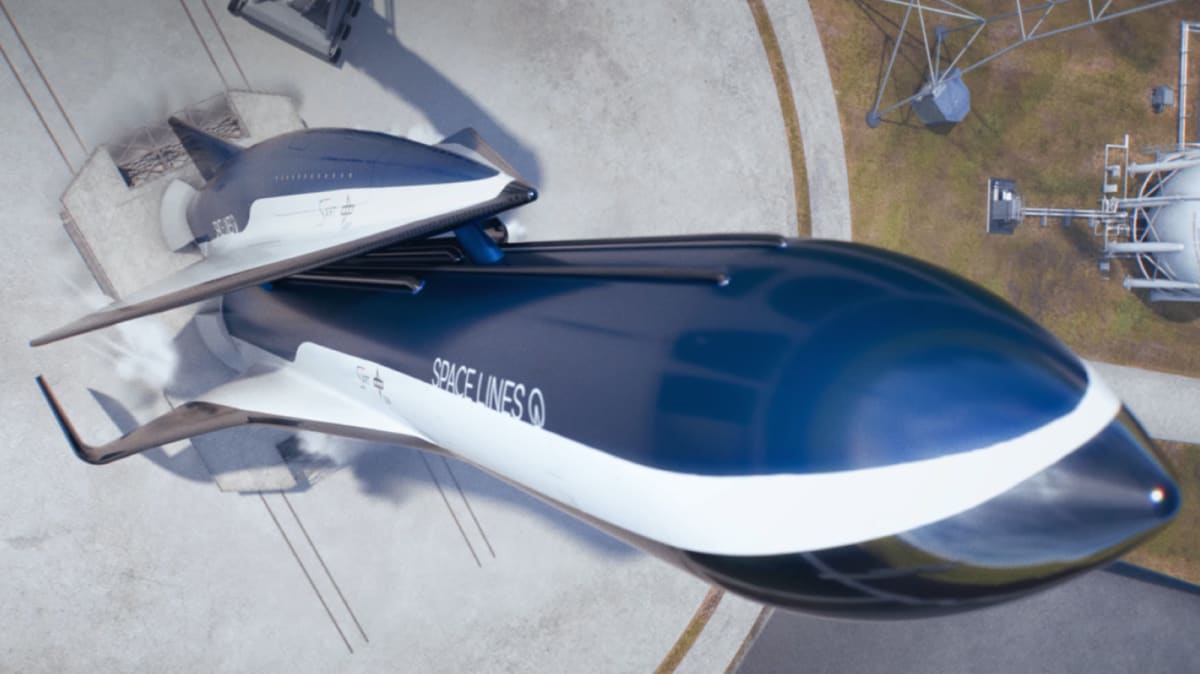
Germany's Aerospace Center has designed a rocket concept that could carry nearly twice the payload efficiency of SpaceX's Starship. The innovative design uses wings and mid-air aircraft catches instead of fuel-hungry powered landings.
European scientists just unveiled a rocket design that could revolutionize space travel by carrying far more cargo with the same fuel.
Germany's Aerospace Center (DLR) published research in May 2025 proposing the RLV C5, a reusable rocket that delivers 74% of its mass as payload to low Earth orbit. That's a massive leap from SpaceX's Starship, which currently manages 40% payload efficiency.
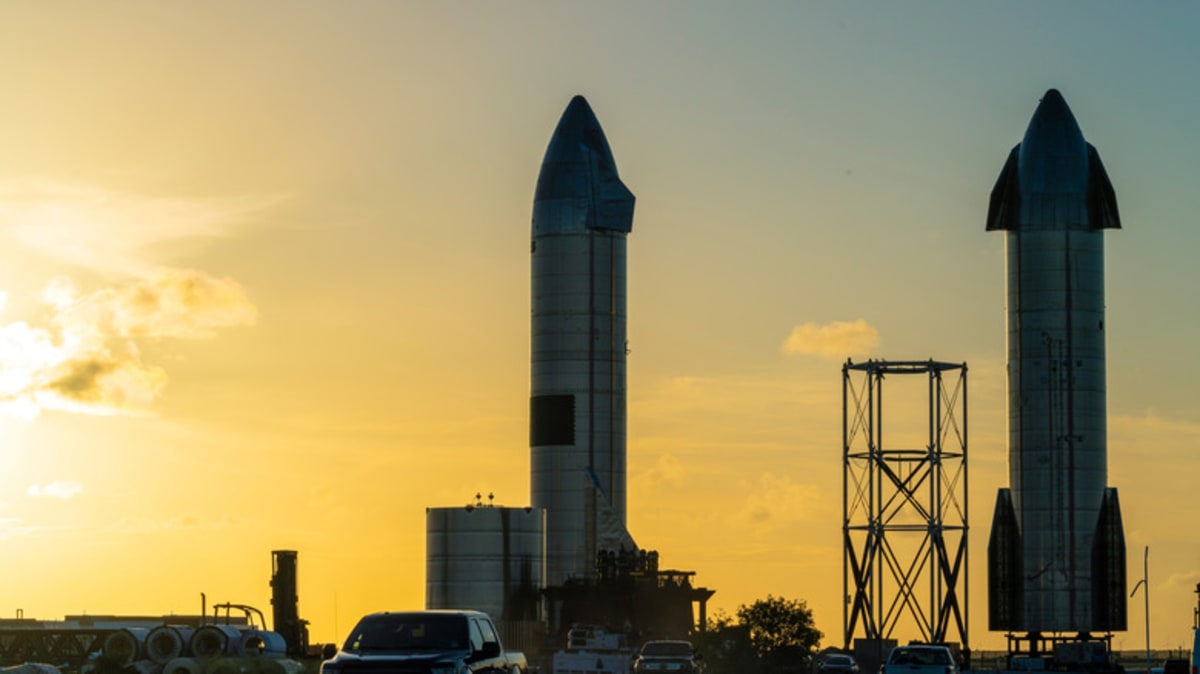
The secret lies in how the rocket returns home. SpaceX's Super Heavy booster burns extra fuel to slow down and hover before being caught by mechanical arms at the launch tower. It's spectacular, but it costs precious fuel capacity.
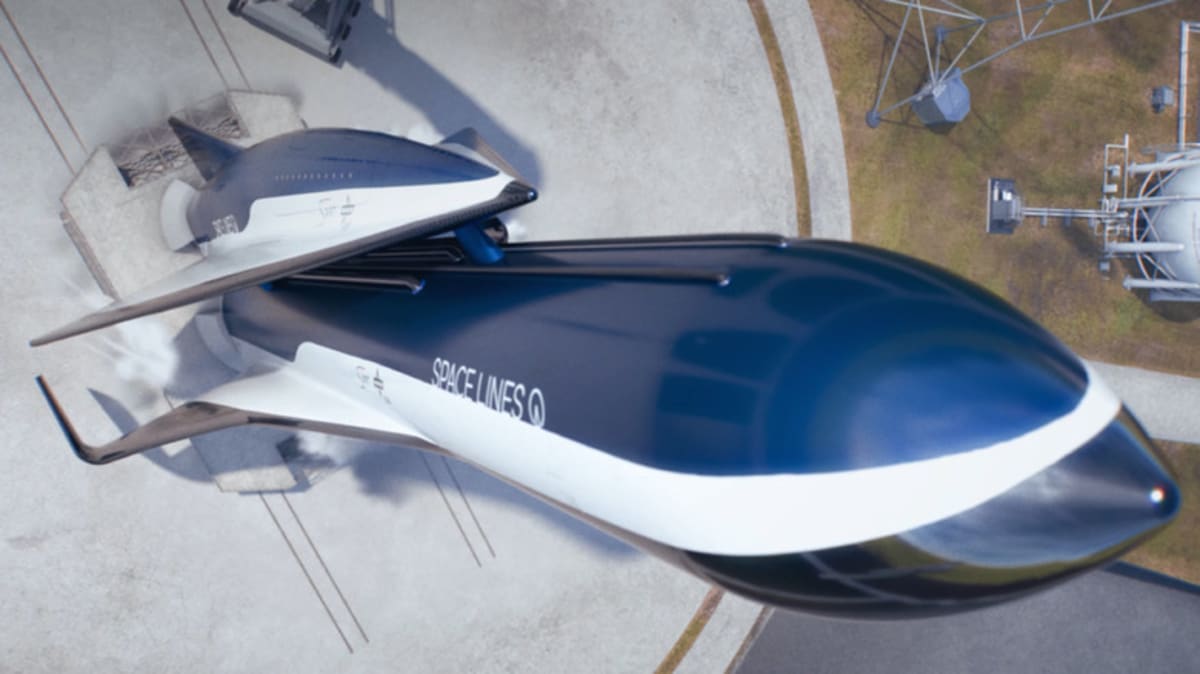
The European team studied SpaceX's public launch data and took a completely different approach. Their design features wings that let the booster glide back to Earth like the Space Shuttle, then get caught mid-air by a subsonic aircraft. No fuel-guzzling powered landing needed.
The RLV C5 also swaps Starship's methane fuel for liquid hydrogen and oxygen, a more efficient combination that squeezes more power from every drop. The team built their concept on telemetry data logged from SpaceX's public broadcasts, turning their competitor's transparency into a learning opportunity.
Why This Inspires
This story shows how healthy competition drives innovation forward. Rather than copying SpaceX's approach, European engineers asked better questions about efficiency and reimagined the entire landing system.
The DLR team is building on the SpaceLiner booster concept, in development since 2005, giving them two decades of research to draw from. Their willingness to study SpaceX's successes and learn from them demonstrates how the global space community can advance together.
While the RLV C5 faces real challenges, including years of development time and the need to create new heat shields and engines from scratch, the ambition itself sparks hope. Europe's space sector is growing, with companies like Germany's Isar Aerospace and France's MaiaSpace pushing reusable rocket technology forward.
The broader impact extends beyond national pride. More efficient rockets mean cheaper access to space for scientific research, climate monitoring satellites, and communication networks that connect remote communities. When engineers compete to build better spacecraft, everyone on Earth benefits from the innovations that result.
SpaceX has set a blistering pace of development, treating rocket launches like software updates and improving after every test. That pressure is pushing European engineers to think bigger and bolder than ever before.
The RLV C5 may take years to fly, but the blueprint proves that breakthrough efficiency gains are still possible in rocket science.
More Images

Based on reporting by Google News - Science
This story was written by BrightWire based on verified news reports.
Spread the positivity!
Share this good news with someone who needs it