German Startup's 22 AI Workers Run Solar Plants Solo
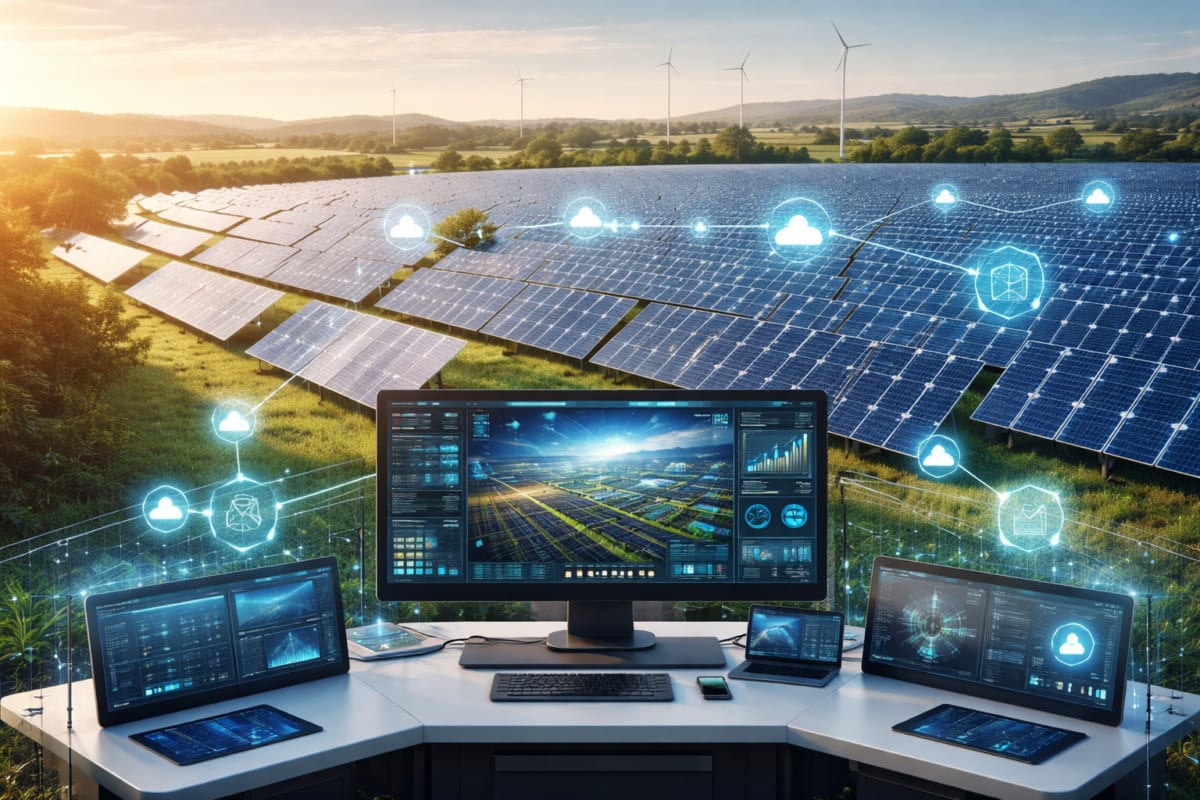
A German company just launched a team of specialized AI workers that can independently manage solar power plants, handling everything from alarm monitoring to grid analysis. The innovation could help renewable energy companies grow faster without getting stuck in manual paperwork.
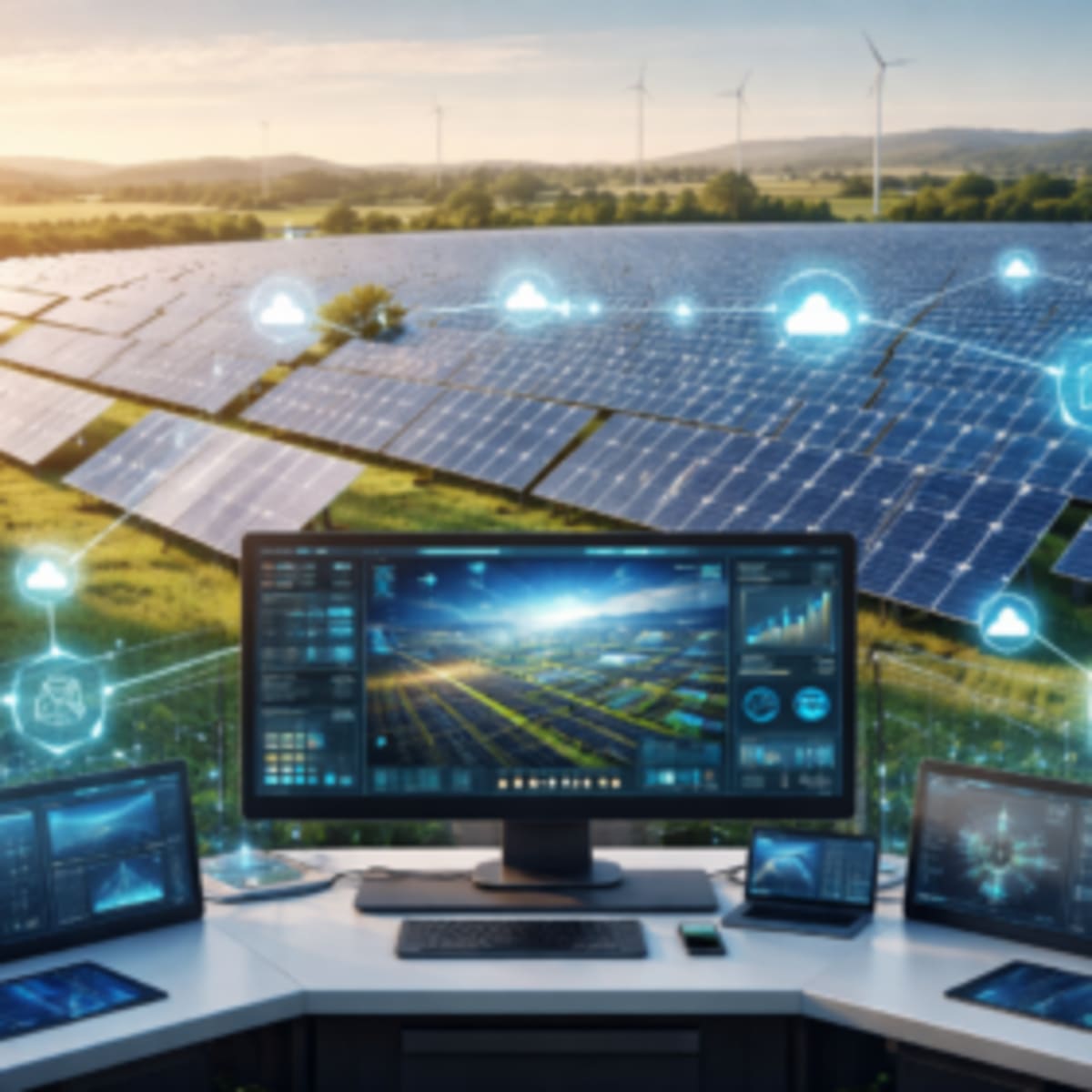
Solar power operators just got a major productivity boost thanks to 22 specialized AI workers that can run renewable energy plants almost entirely on their own.
German startup Invertix developed the AI team after talking to more than 500 solar and wind energy managers across Europe. What they heard was consistent: teams were drowning in manual tasks like exporting data to spreadsheets, classifying thousands of daily alarms, and filling out regulatory forms.
CEO Joseph Perrotta and his co-founder discovered that modern solar plants generate thousands of data points every minute. When you add weather information, market data, and regulatory requirements across multiple systems, human teams simply can't keep up.
"Teams are not too small; processes are simply too slow, limiting growth," Perrotta explained. Some staff were spending entire mornings just sorting through hundreds of SCADA system alarms, delaying the fixes that actually keep plants running smoothly.
The AI workers are organized into seven departments, just like a real operations team. Three workers focus on technical asset management, handling SCADA monitoring, alarm analysis, and grid monitoring. The grid analysis agent can even spot network problems before outages happen by watching how grid frequency affects plant performance.
Unlike generic AI tools, these workers understand the specific language of solar operations. They know inverter fault patterns, Modbus registers, and can tell the difference between a power purchase agreement issue and an actual grid problem.
The system follows a three-stage decision model: inform, recommend, and act. High-risk decisions still go to humans, similar to how an experienced technician works independently but asks for guidance on major issues. Companies pay between $2,300 and $4,600 monthly per AI worker, plus departmental fees.
Why This Inspires
This innovation tackles a problem holding back the entire renewable energy transition. Companies want to build more solar and wind farms, but they can't manage what they already have without hiring massive teams or burning out existing staff.
By automating the tedious tasks, the AI workers free human experts to focus on strategic decisions and complex problems. It's not about replacing people but giving them the tools to manage portfolios that would otherwise be impossible to handle.
The approach also means fewer errors in regulatory compliance and faster responses to actual problems. When an AI can process thousands of data points instantly and compare them against historical patterns, weather conditions, and neighboring plant performance, real issues get flagged faster while false alarms get filtered out.
Solar and renewable energy companies can now scale their operations to match their ambitions. More capacity managed well means more clean energy reaching the grid and faster progress toward climate goals.
More Images

Based on reporting by PV Magazine
This story was written by BrightWire based on verified news reports.
Spread the positivity!
Share this good news with someone who needs it