Germans Can Now Install Larger Solar Systems at Home
Germany just made it easier for homeowners to install bigger solar panels without hiring an electrician. The new rules could help thousands cut their energy bills while boosting clean energy.
Installing solar panels on your balcony or rooftop in Germany just got a whole lot simpler.
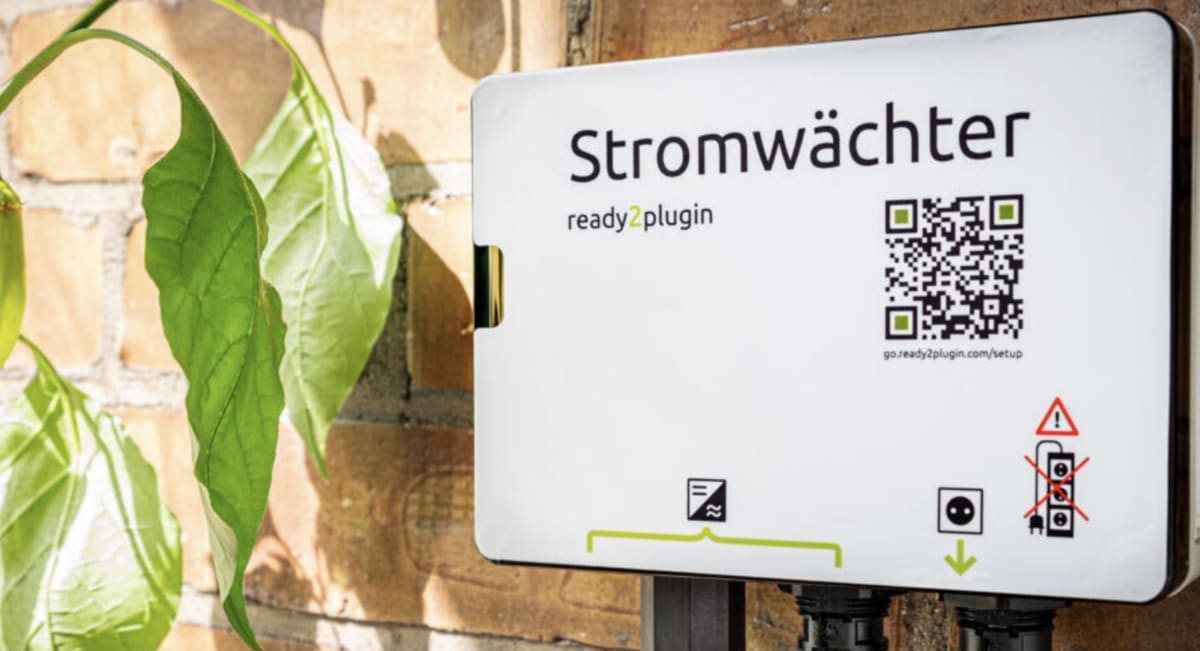
A new grid standard lets German homeowners set up significantly larger plug-in solar systems without needing an electrician to do the installation. The updated rules mean people can register these systems themselves using a simple form.
The change applies to systems with inverter outputs up to 800 VA. While that might sound technical, here's what it means for regular folks: you can now pair more solar panels with battery storage to power more of your home.
The old framework had strict limits on how much solar capacity you could add. The new rules remove those formal caps, giving homeowners much more flexibility.
Industry experts say systems up to 10 kilowatts could work under this framework. That's enough to power a typical household's needs on a sunny day, with excess energy stored in batteries for later use.
The simplified process works differently depending on your setup. Small systems under 2,000 watts without storage only need registration in Germany's market data system. Larger systems or those with batteries require notification to the grid operator, but you can still do it yourself.
Germany has seen explosive growth in plug-in solar devices over the past few years. These DIY systems are now spreading faster than traditional rooftop installations, according to industry figures.
The new rules address practical concerns too. Storage systems can draw power from both your solar panels and the regular grid, but they must include safety features like overload protection and real-time monitoring of your household's electrical limits.
The Ripple Effect
This policy shift could accelerate Germany's clean energy transition in a uniquely democratic way. By removing professional installation barriers, solar power becomes accessible to renters, apartment dwellers, and homeowners who couldn't afford electrician fees.
When more households generate their own clean electricity, the entire grid benefits. Less demand during sunny hours means fewer fossil fuel plants needed during peak times.
The timing matters too. As energy costs remain a concern across Europe, giving people tools to cut their own bills while helping the planet creates a genuine win-win.
Other European countries are watching Germany's balcony solar boom closely. This regulatory update could inspire similar simplifications elsewhere, spreading the model of citizen-powered renewable energy across the continent.
Thousands of German households are about to discover that going solar is easier than they ever imagined.
More Images
Based on reporting by PV Magazine
This story was written by BrightWire based on verified news reports.
Spread the positivity!
Share this good news with someone who needs it