Germany Aims to Become Europe's Aquaculture Tech Leader
Germany is positioning itself to transform from a seafood importer to a leading exporter of cutting-edge aquaculture technology. A new report reveals how the country could revolutionize sustainable food production while creating rural economic opportunities.
Germany is ready to turn its engineering expertise into a solution for feeding Europe sustainably. Despite importing 90% of its seafood, the country is now setting its sights on becoming the continent's aquaculture technology hub.
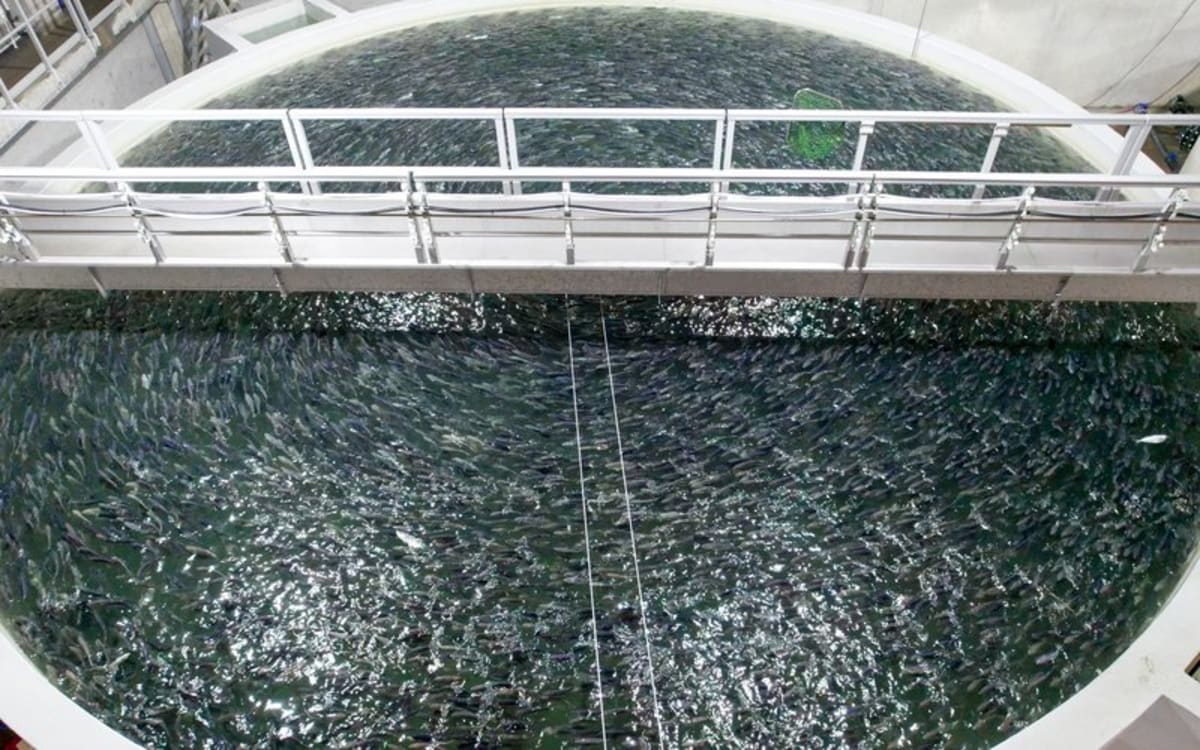
A groundbreaking report released at the Growth Alliance Networking Summit in Frankfurt maps out how Germany can lead the global shift toward sustainable seafood production. The study, conducted by Hatch Blue and commissioned by Landwirtschaftliche Rentenbank, shows aquaculture has already overtaken wild-capture fisheries as the world's primary source of aquatic protein.
The vision extends beyond just producing more fish. Germany plans to export advanced automation and digitalization systems that could reshape how the world farms seafood.
Nikola Steinbock, Chairwoman of Rentenbank's Management Board, highlighted an innovative approach already gaining traction. Farmers are integrating fish farms with existing agricultural systems, using waste heat from biogas plants to cut operating costs while advancing circular economy principles.
The report identifies clear pathways forward. Germany will leverage its world-renowned engineering strengths to develop technologies that reduce both labor needs and energy consumption. Universities and research institutions will launch dedicated commercialization programs to transform cutting-edge research into market-ready startups.
Financial support is expanding too. New funding tools including early-stage grants, infrastructure investments, low-interest loans, and government-backed guarantees aim to reduce risk for private investors willing to back aquaculture innovation.
Regulatory reform represents another key pillar. Standardized rules, unified permitting processes, and national cross-state guidelines will replace the current complex framework that has slowed sector growth.
The Ripple Effect: This transformation could reshape rural Germany while addressing food security across Europe. As aquaculture technology advances, it creates economic opportunities in areas that need them most while reducing dependence on seafood imports. The innovations developed in Germany could then scale globally, helping nations worldwide build more resilient and sustainable food systems. By turning research excellence into exportable technology, Germany is showing how one country's engineering prowess can contribute to feeding the planet sustainably.
Georg Baunach, Managing Partner at Hatch Blue, believes Germany's innovation-rich blue economy is ready to become a cornerstone of resilient food systems worldwide. The documentary released alongside the report showcases the entrepreneurs and researchers already making this vision real.
Germany is proving that sustainable food security and economic growth can swim in the same direction.
Based on reporting by Google News - Germany Innovation
This story was written by BrightWire based on verified news reports.
Spread the positivity!
Share this good news with someone who needs it