Germany and Japan Partner to Make Hydrogen Trucks a Reality
Two global manufacturing giants are joining forces to bring clean hydrogen technology from testing labs to highways. The collaboration between Germany and Japan could reshape how the world powers heavy trucks without emissions.
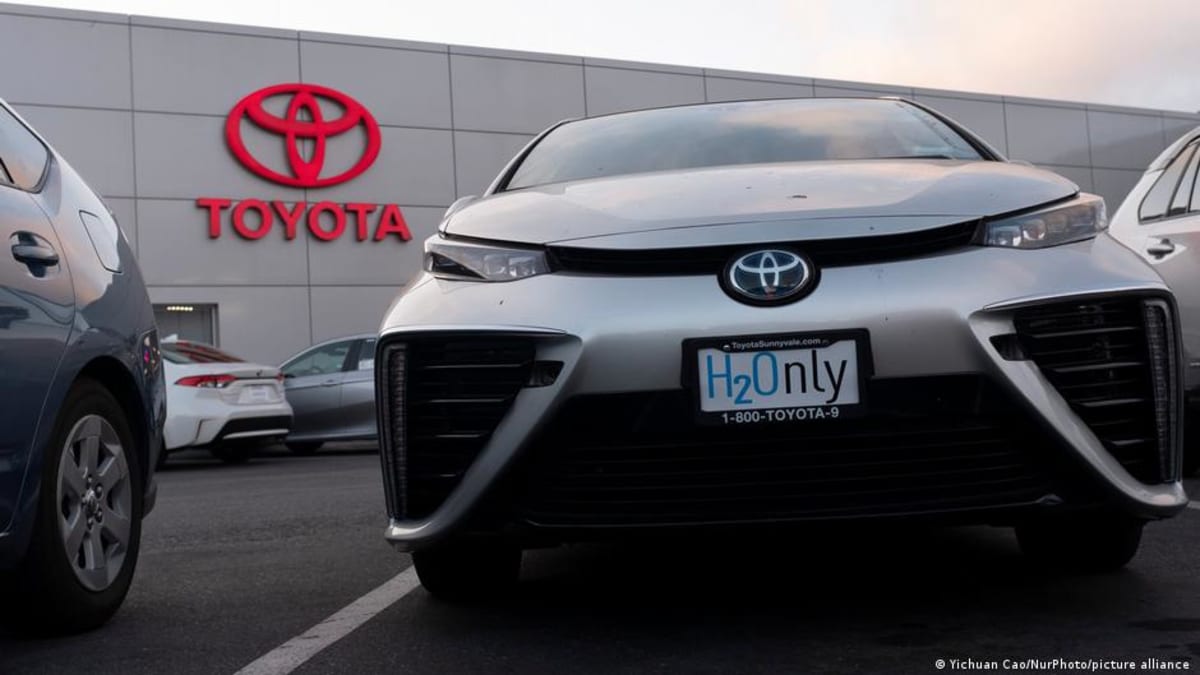
When German Transport Minister Patrick Schnieder visited Toyota's fuel cell factory in Japan this week, he arrived in a hydrogen-powered BMW and left in a hydrogen-powered Toyota. The coordinated car swap sent a clear message: these two countries are serious about making clean hydrogen mainstream.
BMW and Toyota are now jointly developing the next generation of fuel cell technology that turns hydrogen into electricity without producing emissions. Three BMW engineers have relocated to Japan specifically for this project, working alongside Toyota teams to create a more compact and efficient fuel cell system.
The partnership has real deadlines. BMW plans to launch its first hydrogen production car in 2028, manufacturing the new fuel cells at an Austrian factory. Toyota will upgrade its two existing hydrogen models with the same technology from a Japanese facility.
Germany has already committed 220 million euros to build up to 40 hydrogen refueling stations and deploy 400 hydrogen trucks by 2030. The country expects three quarters of new heavy commercial vehicles to run emission-free by that year, with a significant portion powered by hydrogen rather than batteries.
Japan is targeting twelve million tons of hydrogen production annually by 2040. Minister Schnieder visited the world's first liquid hydrogen terminal in Kobe's port and saw hydrogen-powered buses and forklifts operating at Osaka's Kansai Airport.
The technology is moving beyond pilot projects. Daimler Truck recently opened Germany's first liquid hydrogen refueling station for trucks and is bringing that system to Japan. German companies Siemens Energy, Thyssenkrupp Nucera, and others are partnering with Japanese firms to improve the production technology that makes green hydrogen from renewable electricity.
Both countries know they face a significant challenge: green hydrogen currently costs much more than fossil fuels. That's why German and Japanese authorities are exploring financing options to help manage the initial price premium as production scales up.
The collaboration builds on an energy partnership that started in 2019. Last September, major companies including Kawasaki Heavy Industries, Daimler Truck, and the Port of Hamburg agreed to establish a commercial hydrogen supply chain connecting the two nations.
The Ripple Effect
This partnership could solve one of clean energy's toughest puzzles. Battery electric vehicles work well for cars and light trucks, but heavy commercial vehicles need different solutions for long hauls. Hydrogen fuel cells offer quick refueling and longer range without tailpipe emissions.
Neither Germany nor Japan can produce enough green hydrogen domestically to meet their projected needs, which means they're building supply chains that will benefit hydrogen producers worldwide. As these two manufacturing powerhouses invest in infrastructure and vehicles, they're creating markets that make clean hydrogen viable for other countries to adopt.
The world is watching two industrial leaders prove that hydrogen trucks can move from experimental projects to everyday commerce.
Based on reporting by DW News
This story was written by BrightWire based on verified news reports.
Spread the positivity!
Share this good news with someone who needs it