Germany Clears Path for Largest Baltic Sea Wind Farm
A specialized team just cleared more than 1,250 potentially dangerous objects from the seabed to make way for Germany's biggest Baltic Sea wind farm. The Gennaker project will soon power 1 million homes with clean energy.
Before renewable energy can flow from ocean to shore, someone has to make sure the seabed is safe to work on, and a Dutch company just cleared the way for Germany's most ambitious offshore wind project yet.
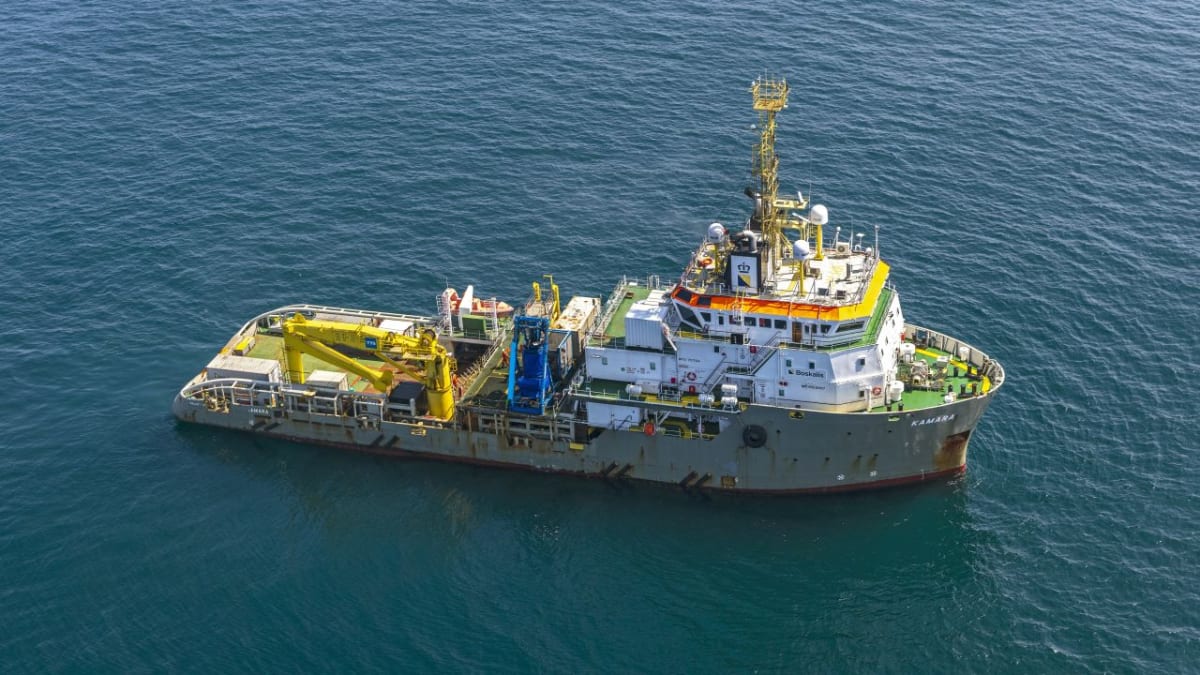
Boskalis Hirdes EOD Services spent recent months inspecting the seafloor where the Gennaker offshore wind farm will be built in the German Baltic Sea. Their vessel Kamara investigated more than 1,250 objects that might have been unexploded bombs from past conflicts, finding just one actual explosive device.
Working closely with the explosive ordnance disposal service of Mecklenburg West Pomerania, the team safely removed the ordnance. Now the massive construction project can move forward safely.
The Gennaker wind farm will be Germany's largest in the Baltic Sea, featuring 63 turbines with a combined capacity of 976.5 megawatts. That's enough clean electricity to power around 1 million households.
Next year, the specialized cable laying vessel BOKA Ocean will install the submarine cables that connect all the turbines together. Meanwhile, a Dutch company called TKF Subsea Solutions is manufacturing 130 kilometers of inner array grid cable.
The Ripple Effect
This painstaking safety work represents something bigger than just one wind farm. Every offshore renewable energy project requires this kind of careful preparation, turning old battlegrounds into sources of clean power.
The Baltic Sea, like many European waters, still contains unexploded ordnance from World War II. Teams like this one are literally clearing away the remnants of conflict to build infrastructure for a sustainable future.
The Gennaker project shows how multiple countries and companies can work together on complex engineering challenges. Dutch specialists cleared the seabed, Dutch manufacturers are making the cables, and German authorities coordinated the safety protocols.
When Gennaker comes online, it will significantly boost Germany's renewable energy capacity and move the country closer to its climate goals.
The path is now clear for clean energy to flow from the Baltic Sea to German homes.
Based on reporting by Google News - Wind Energy
This story was written by BrightWire based on verified news reports.
Spread the positivity!
Share this good news with someone who needs it