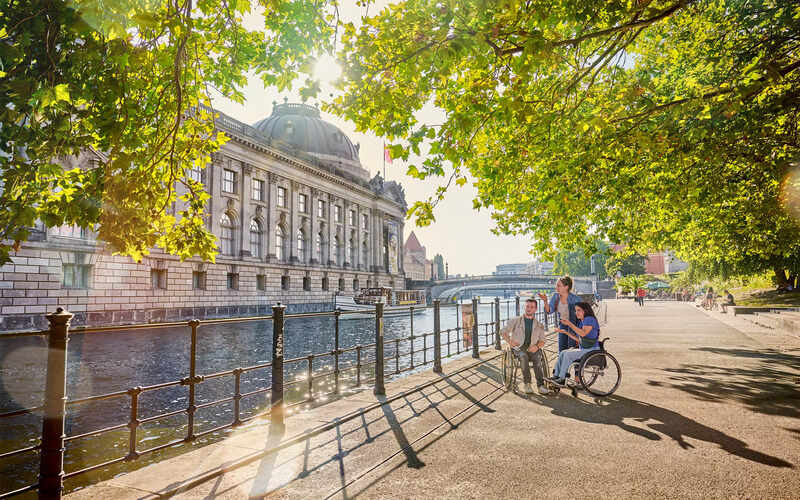
Germany Hosts Major Accessible Tourism Summit at ITB Berlin
Germany is bringing together global experts to revolutionize travel for people with disabilities at the 14th Accessible Tourism Day on March 4. The summit will showcase practical innovations that make exploring the world easier for everyone.
Travel is about to become more welcoming for millions of people who face barriers when exploring the world.
Germany's National Tourist Board is hosting the 14th Accessible Tourism Day at ITB Berlin on March 4, 2026. The event brings together policymakers, researchers, travel companies and advocacy groups to share solutions that make destinations barrier-free for all visitors.
"Inclusion is a core element of our strategy to position Germany as a customer and service-oriented quality destination," says Petra Hedorfer, CEO of the German National Tourist Board. The country is treating accessible tourism not just as a moral imperative but as a smart business opportunity in a world with aging populations and diverse traveler needs.
The conference will reveal new research on what European travelers actually need when it comes to accessibility. The study examines everything from hotel room design to transportation systems, giving destinations concrete data to improve their services.
Technology is taking center stage at this year's summit. Experts will discuss how artificial intelligence, virtual reality and wearable devices can help travelers plan trips with confidence. Imagine previewing your hotel room through VR or getting real-time AI assistance that understands your specific accessibility needs.
Cultural institutions are also getting practical guidance. Museums and heritage sites will learn how to adapt exhibitions and tours so visitors with physical, sensory or cognitive differences can fully engage with their experiences. Clear communication matters too. Sessions will explore how destinations can present accessibility information transparently across websites and booking platforms, eliminating the guesswork that often stops people from traveling.
The Ripple Effect
The benefits of accessible tourism reach far beyond travelers with disabilities. Older tourists, families with young children and anyone seeking smoother travel experiences gain from these improvements. When destinations add ramps, clear signage and flexible services, everyone moves through spaces more easily.
International collaboration is strengthening as countries recognize that consistent standards build trust. Tour operators and destination organizations are working across borders to expand accessible travel options, making it easier for people to explore multiple countries on a single trip.
Water-based destinations like lakes and coastal areas present unique challenges, but creative design and adaptive equipment are opening up nature experiences to more people. The summit will showcase how regions are integrating accessibility into their broader tourism planning from the start, rather than adding it as an afterthought.
This gathering proves that the future of travel is inclusive, innovative and full of possibility for everyone who dreams of exploring new places.
Based on reporting by Google News - Germany Innovation
This story was written by BrightWire based on verified news reports.
Spread the positivity!
Share this good news with someone who needs it