Germany Moves to Criminalize Deepfake Porn
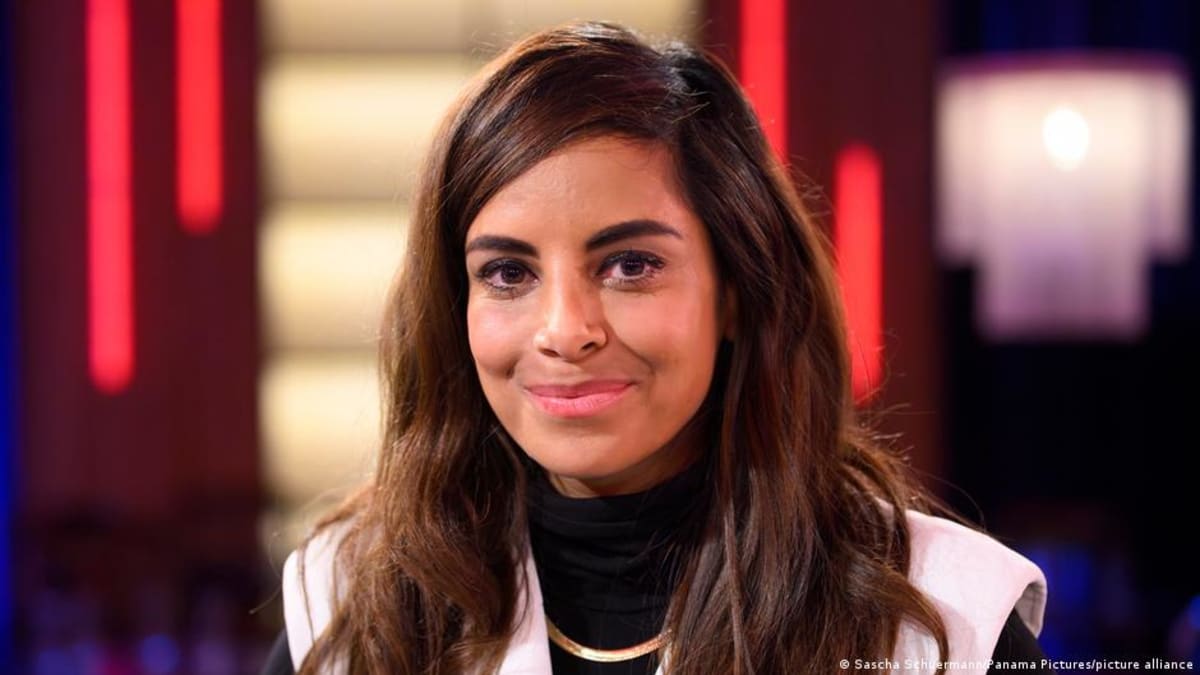
Germany is fast-tracking new legislation to criminalize creating and sharing pornographic deepfakes, giving victims powerful new tools to fight back. The move comes after actress Collien Fernandes spoke out about hundreds of fake images created of her.
When actress Collien Fernandes discovered hundreds of fake pornographic images of herself online, she did something brave: she spoke up. Now Germany is responding with new laws to protect her and millions of other women facing the same digital abuse.
Justice Minister Stefanie Hubig announced this week that draft legislation is "practically finished" and will be introduced soon. The new law will make creating and sharing pornographic deepfakes a criminal offense, closing gaps that have left victims without legal recourse.
Fernandes has been fighting this battle for years, even filing a complaint alleging identity theft and sexualized digital abuse. She found not just fake images but entire social media accounts pretending to be her. Her willingness to share her story publicly has helped shine a light on a problem that affects 60% of women and girls in Germany.
The new legislation goes beyond just criminal penalties. It will give police authority to search suspects' devices and make it easier for victims to take action against platforms hosting the content. Victims will gain rights to identify perpetrators and force account suspensions.
"We want to ensure that perpetrators can no longer feel safe, that they must expect to be identified and effectively prosecuted," Hubig said. Politicians across parties are backing the reforms, recognizing that Germany has fallen behind other countries in addressing online abuse.
The Ripple Effect
This isn't just about one celebrity's experience. Advocacy groups have been pushing for these protections for years, arguing that Germany's legal system wasn't equipped to handle this modern form of violence. The fact that lawmakers are acting quickly shows they're finally listening.
Former Foreign Minister and UN General Assembly President shared that she too has experienced digital violence. Her public support adds weight to the movement, demonstrating that this issue crosses all boundaries and affects women at every level of society.
The law represents a fundamental shift in how Germany approaches digital abuse. By explicitly criminalizing deepfake creation and distribution, it sends a clear message: technology may evolve quickly, but justice will keep pace.
Women facing this abuse will soon have real legal tools to fight back. That's progress worth celebrating.
Based on reporting by DW News
This story was written by BrightWire based on verified news reports.
Spread the positivity!
Share this good news with someone who needs it