Germany Pushes New Laws to Protect Women From AI Abuse
Germany is moving to close legal gaps that leave women vulnerable to deepfake porn and digital harassment. Following a high-profile case and massive protests, lawmakers are drafting new protections to criminalize AI-generated sexual content.
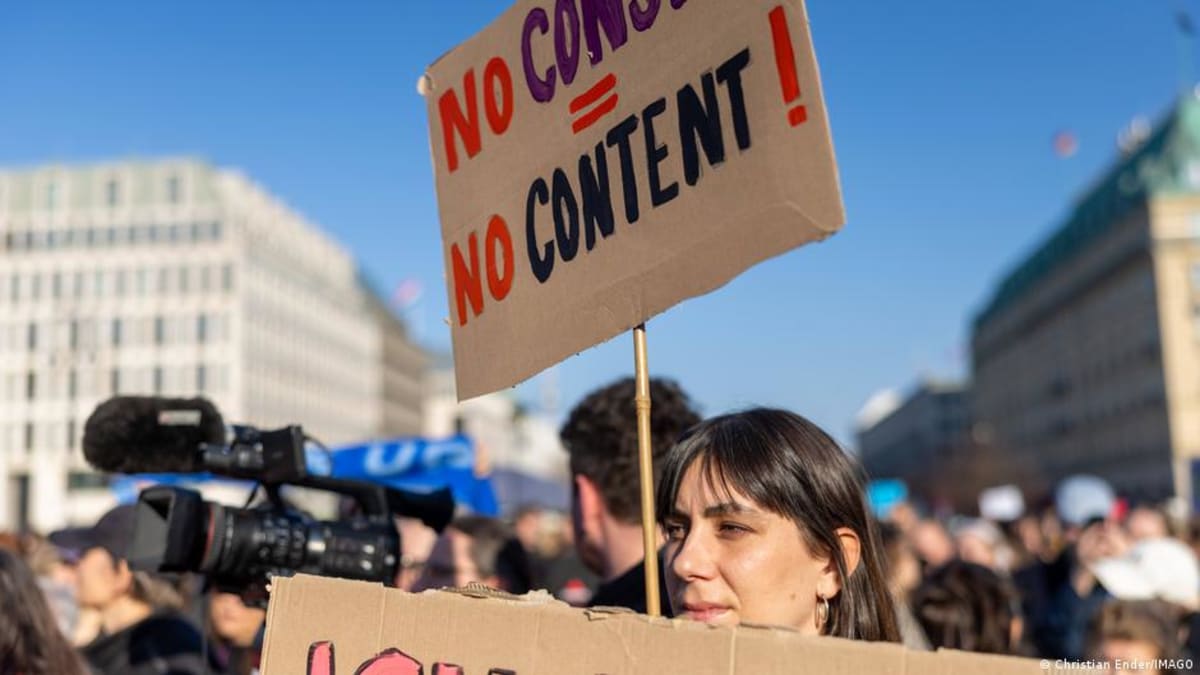
Thousands gathered at Berlin's Brandenburg Gate in late March, demanding stronger protections against a growing digital threat: AI-generated pornography targeting real people without consent.
The protests followed actress Collien Fernandes' public allegations that hundreds of fake pornographic images of her were created and distributed online. She told German media she filed her case in Spain instead of Germany because "women's rights are significantly better protected there."
Her lawyer's advice speaks volumes about Germany's current laws. Right now, German criminal codes for rape and sexual assault require direct physical contact, leaving victims of digital abuse with limited legal recourse.
Whether AI-generated deepfakes even count as "image-based recordings" under existing law remains unclear. The supreme court hasn't settled the question, leaving prosecutors and victims in limbo.
The numbers paint a troubling picture. A recent government study found that only 2.4% of women report incidents of digital violence and harassment, suggesting the true scale is far larger than official statistics show.
The Ripple Effect
The outcry is creating real momentum for change. On Monday, representatives from politics, law, and civil society published a 10-point plan to protect women in the digital sphere.
The proposal would criminalize creating and distributing pornographic deepfakes outright. It would also ban "nudify" apps designed to produce fake nude images of people.
Online platforms would face new obligations to quickly remove deepfakes, and victims would gain clear legal rights to deletion, information, and identifying perpetrators. Green Party lawmaker Lena Gumnoir called the current situation a "wake-up call" for the federal government.
Germany isn't alone in grappling with this issue, but it now has a chance to lead. The proposed reforms would give prosecutors real tools to pursue cases and give victims meaningful legal protection.
What started as one woman's courage to speak up has sparked a movement that could reshape how digital abuse is prosecuted across Europe.
Based on reporting by DW News
This story was written by BrightWire based on verified news reports.
Spread the positivity!
Share this good news with someone who needs it