Germany Rebuilds Flood Valley With Nature-Based Solutions
Three years after deadly floods killed 135 people in Germany's Ahr Valley, the region is rebuilding with resilience at its core. From wastewater recycling to tourist-powered turtle research, communities worldwide are finding smarter ways to work with water and nature.
When catastrophic floods tore through Germany's Ahr Valley in 2021, claiming 135 lives and causing billions in damage, officials made a crucial choice: don't just rebuild, rebuild better.
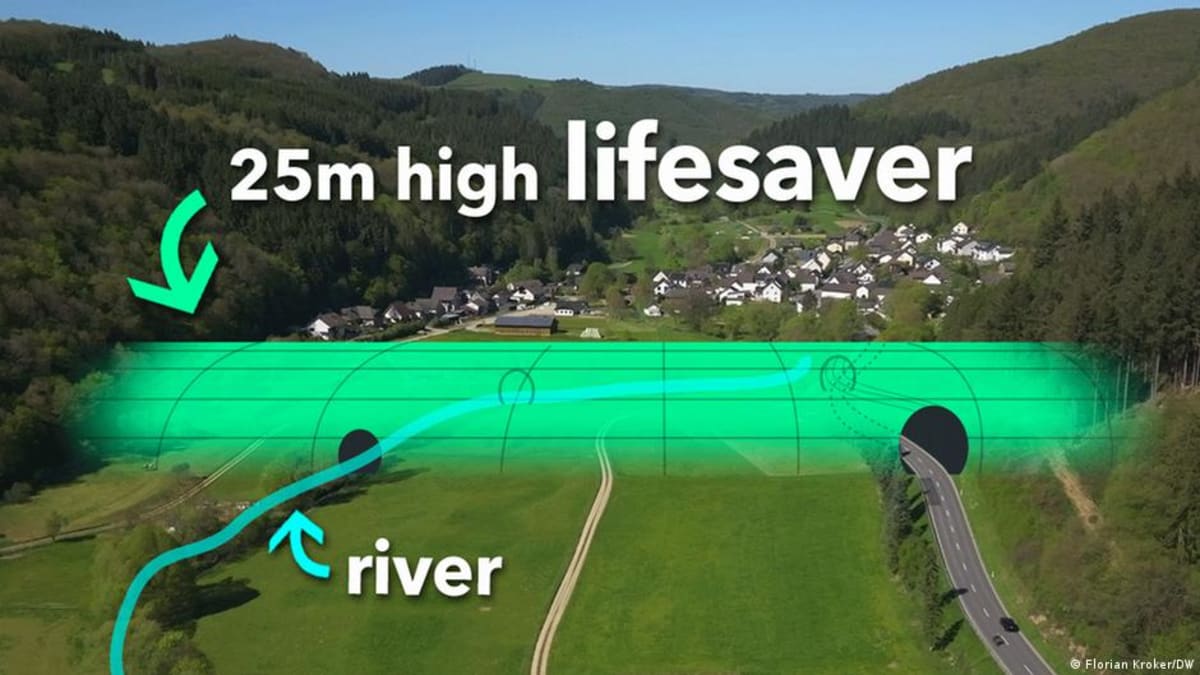
Three years later, the transformation is underway. Authorities are widening riverbanks, redesigning bridges, and restoring natural floodplains where water can safely overflow instead of surging through towns.
Local governments have purchased riverside land to convert back into green overflow zones filled with trees and shrubs. A network of 17 new dams is also planned to manage extreme rainfall before it becomes deadly.
The strategy represents a fundamental shift in how communities prepare for climate-driven disasters. Instead of fighting water with concrete alone, engineers are giving rivers room to breathe.
Meanwhile, cities facing the opposite problem are getting creative about water scarcity. Drought-prone regions are increasingly turning wastewater into safe drinking water and capturing stormwater to replenish underground aquifers.
Researchers at the Technical University of Munich are developing smarter storage systems to hold water more efficiently. What was once considered a last-resort solution is quickly becoming standard practice in a hotter, drier world.
Reconnecting rivers to their historic floodplains allows excess water to naturally seep underground, recharging aquifers for future use. It's a win for both flood control and water security.
Not every solution requires massive infrastructure. On Egypt's Red Sea coast, tourists are becoming citizen scientists to help protect endangered sea turtles.
Snorkelers receive training to observe without disturbing the animals and use cameras to document unique facial markings. These images help researchers identify individual turtles and track their health, behavior, and habitats over time.
The Ripple Effect
These three stories share a common thread: working with nature instead of against it. Germany's flood management embraces natural overflow zones. Water-scarce cities are mimicking natural aquifer recharge. Egypt's conservation depends on respectful human observation.
The approach is spreading as communities realize that resilience comes from flexibility, not just force. Green infrastructure often costs less to maintain than concrete barriers while providing multiple benefits like improved air quality and wildlife habitat.
From deadly disaster to careful reconstruction, the Ahr Valley shows that tragedy can spark transformation when communities commit to building back smarter.
More Images
Based on reporting by DW News
This story was written by BrightWire based on verified news reports.
Spread the positivity!
Share this good news with someone who needs it