Germany Tackles Rental Loopholes to Protect Tenants
Germany's Justice Minister is cracking down on landlords who exploit furnished apartment loopholes to charge double the rent and dodge rental protections. New rules will cap furniture surcharges and limit short-term leases that have locked regular renters out of cities like Berlin.
Finding an affordable apartment in Berlin shouldn't feel like winning the lottery, but for millions of Germans, that's exactly what it's become.
Now Germany is fighting back against rental market exploitation with bold new protections for tenants. Justice Minister Stephanie Hubig is proposing rules that will close loopholes landlords have been using to charge sky-high rents while avoiding rent control laws.
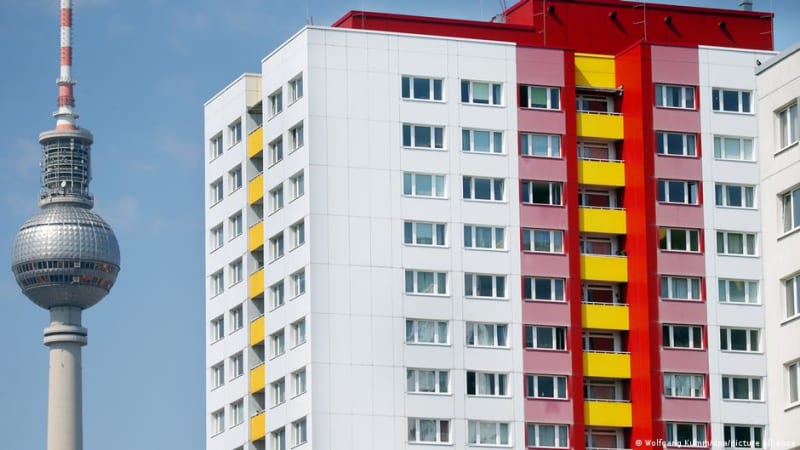
The problem has gotten out of control in cities like Berlin, Munich, and Hamburg. Landlords discovered they could dodge rent caps by simply throwing in a bed and table, calling apartments "furnished," and charging double the normal rate. In Berlin, furnished apartments now cost twice as much as regular ones, according to a study by Investationsbank Berlin.
One tiny 20-square-meter apartment in Berlin's Charlottenburg district currently rents for €1,349 per month. That's over €67 per square meter for a space barely bigger than a parking spot.
The new proposals will require landlords to show exactly how much they're charging for furniture, with surcharges capped at just 5% of the base rent for fully furnished places. Short-term rentals will only escape rent control if they last six months or less, closing another popular loophole.
The numbers tell a shocking story. Within Berlin's central Ring area, furnished apartments jumped from 40% of all listings in 2018 to 52% by 2022. Most of these aren't individual landlords renting out their homes while traveling. They're professional agencies running multiple properties as a business model.
The short-term rental boom has made things worse. Tourists now compete with long-term residents for the same apartments as landlords chase the higher profits of daily and weekly rates similar to hotel prices.
The Ripple Effect
While experts agree these reforms won't solve Germany's entire housing crisis, they represent real protection for millions of renters being priced out of their own cities. The German Tenants' Association has welcomed the proposals as "absolutely crucial and long-overdue."
Political scientist Alexander Reisenbichler points out that Germany solved a similar crisis after World War II with ambitious investment in social housing. West Germany once had 5 million social housing units in 1975. Today, all of reunified Germany has just 1 million.
The reforms show what's possible when governments choose to prioritize people over profit margins. By requiring transparency in rental pricing and closing exploitation loopholes, Germany is taking concrete steps to make housing accessible again.
These changes could set an example for other countries struggling with similar rental market problems, proving that sensible regulation can protect tenants without destroying the housing market.
Germany is showing that affordable housing doesn't have to be a losing battle when policymakers are willing to stand up for renters.
Based on reporting by DW News
This story was written by BrightWire based on verified news reports.
Spread the positivity!
Share this good news with someone who needs it