Germany Unearths 4,500-Year-Old Copper Jewelry in Rare Find
Archaeologists in Germany discovered ten burial mounds from 4,500 years ago containing Europe's oldest copper jewelry and rare ancient weapons. The find offers a precious window into how our ancestors lived and honored their dead.
A gravel quarry in eastern Germany just revealed treasures that have been waiting underground for 4,500 years.
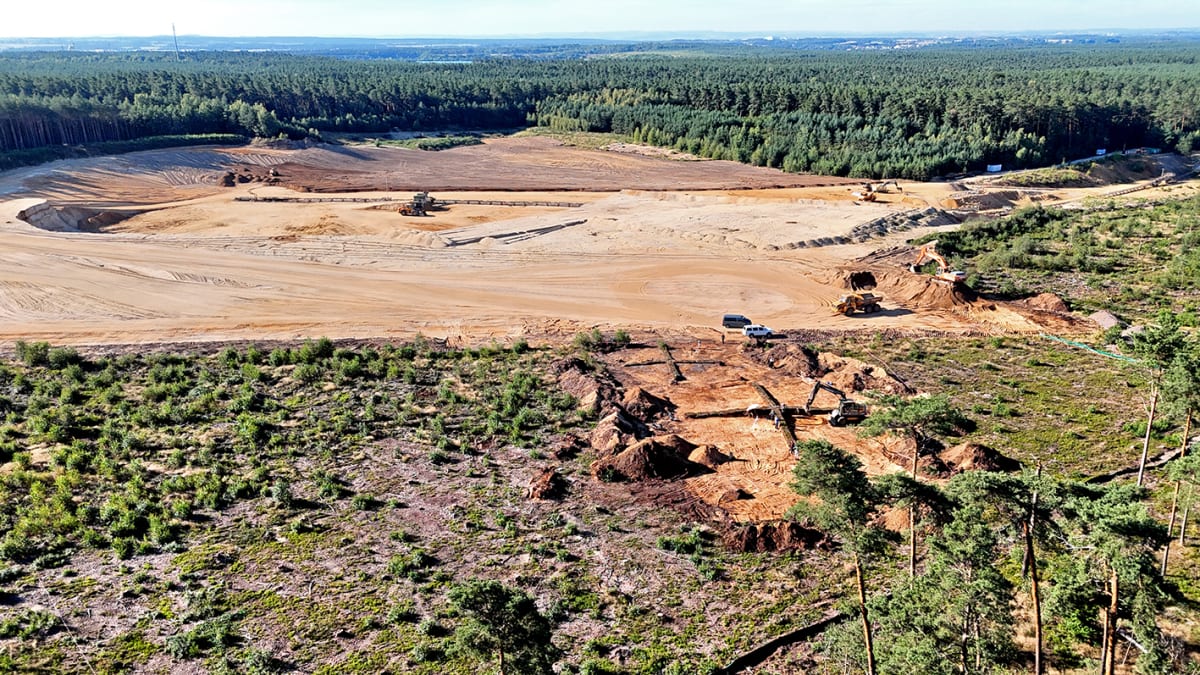
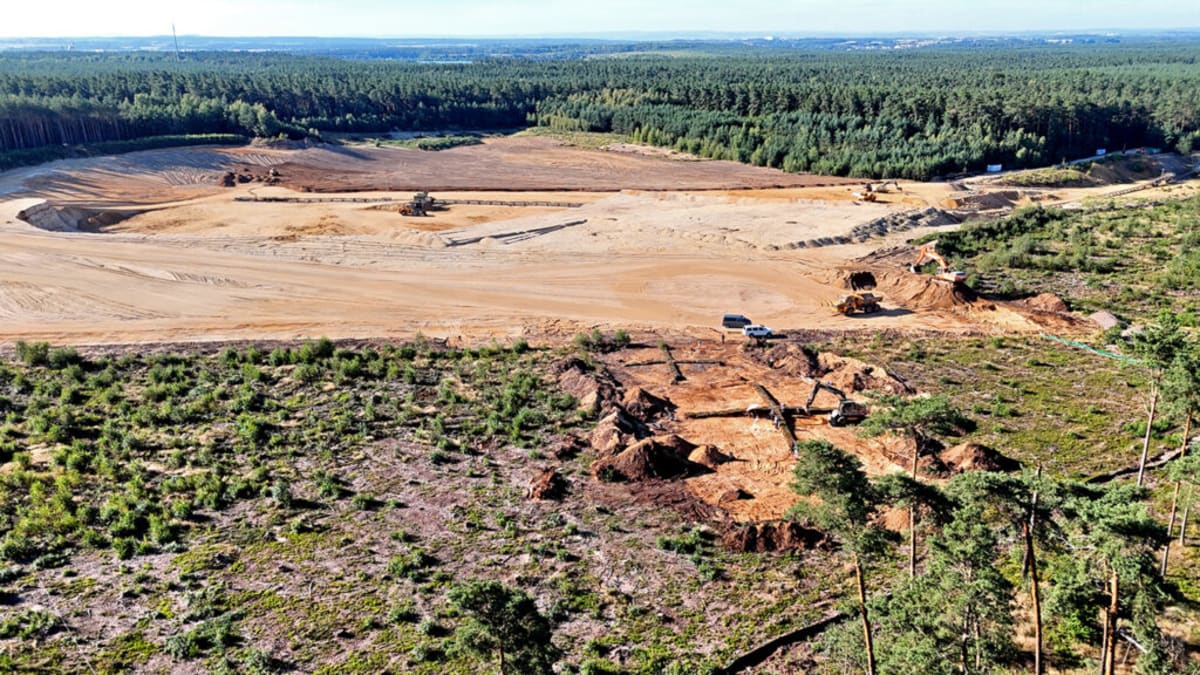
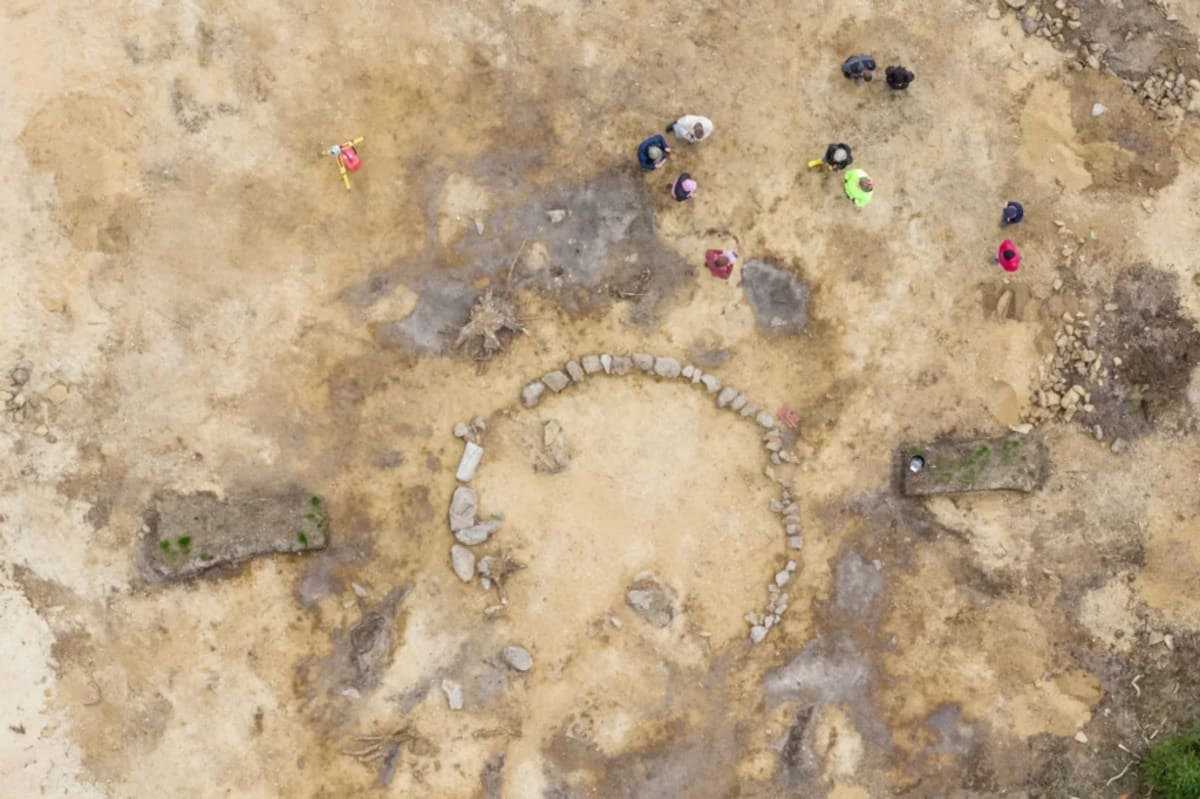
Near Ottendorf-Okrilla in Saxony, archaeologists uncovered ten remarkably preserved burial mounds from the Late Neolithic period. The team of seven specialists carefully examined a 7.2-hectare area before gravel extraction could begin, discovering what is now the second-largest burial ground of its kind in the region.
The burial mounds belonged to the Corded Ware culture, a prehistoric society that stretched from present-day Ukraine to Switzerland between 2750 and 2200 BCE. Unlike most ancient burial sites that have been flattened by thousands of years of farming and erosion, these mounds still rose up to three-quarters of a meter above ground.
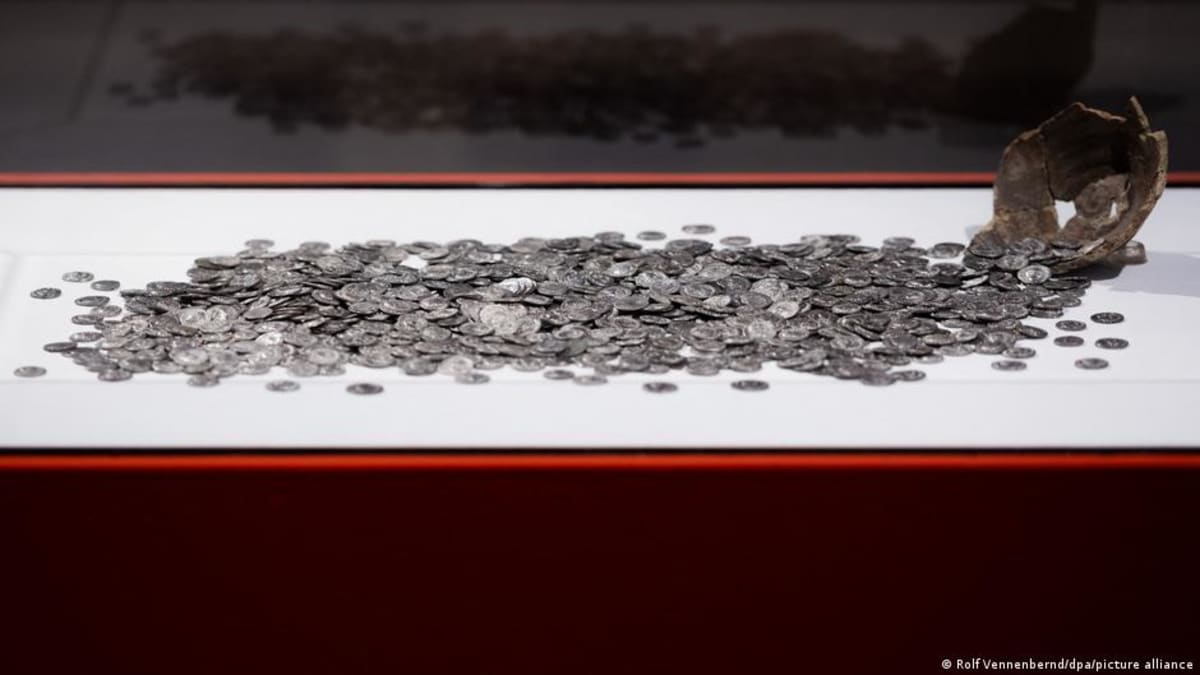
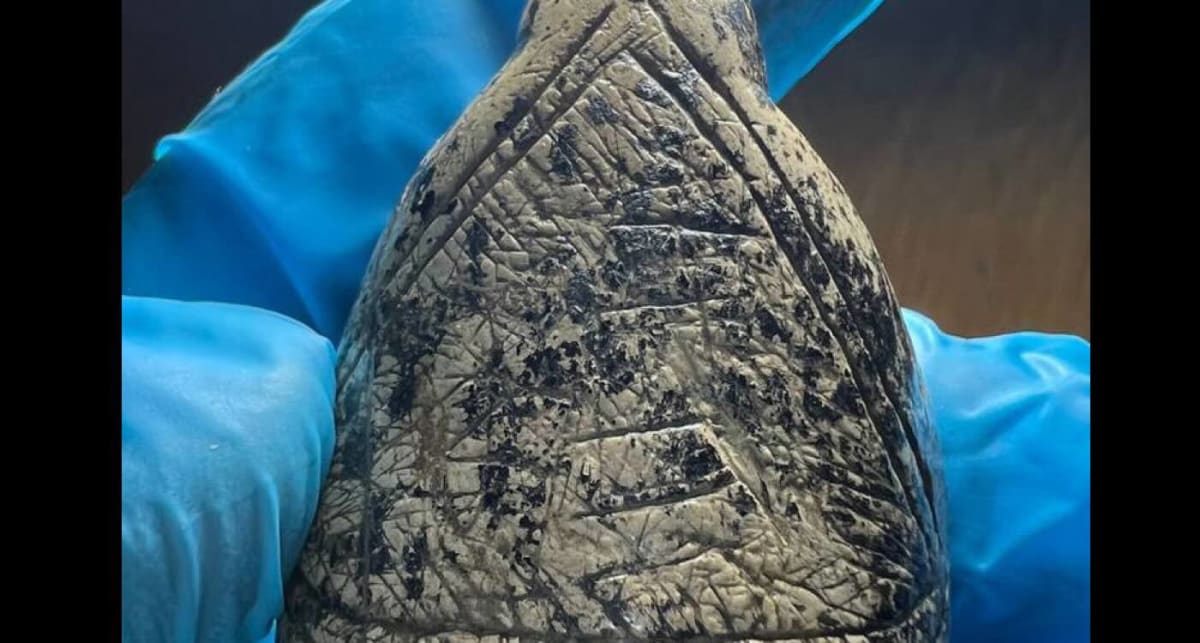
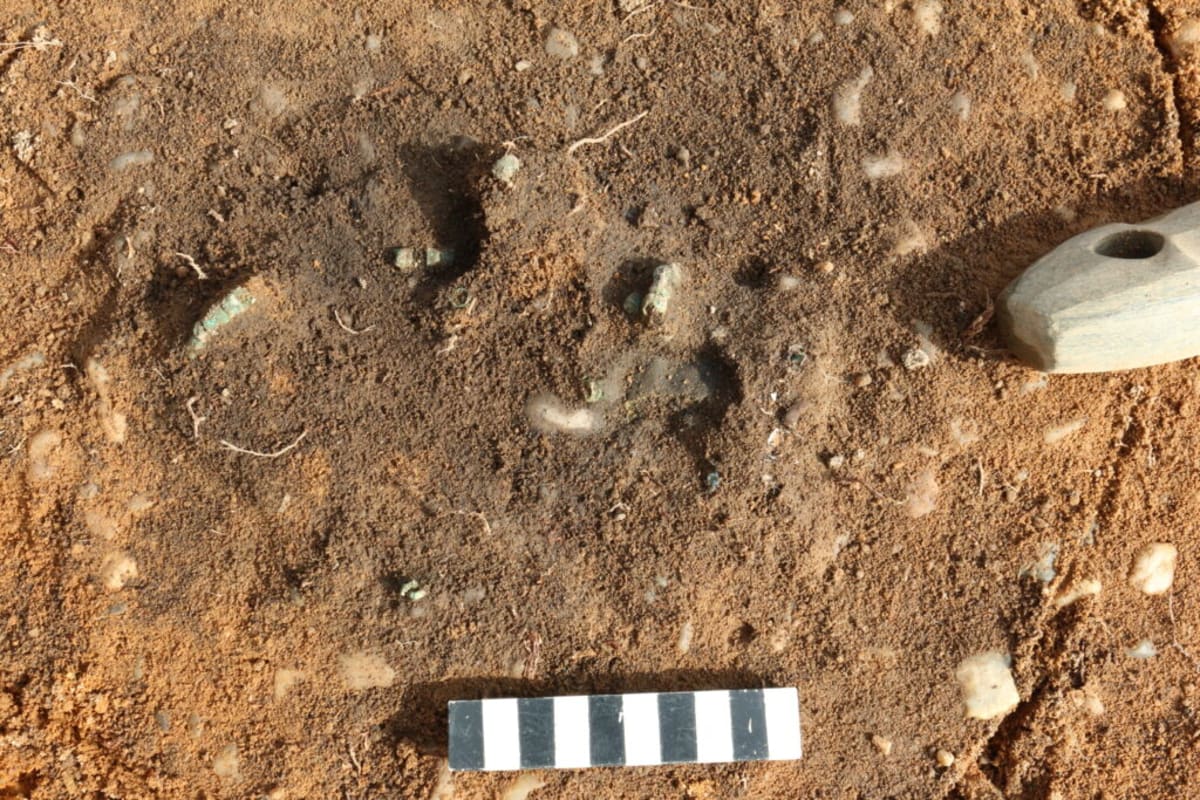
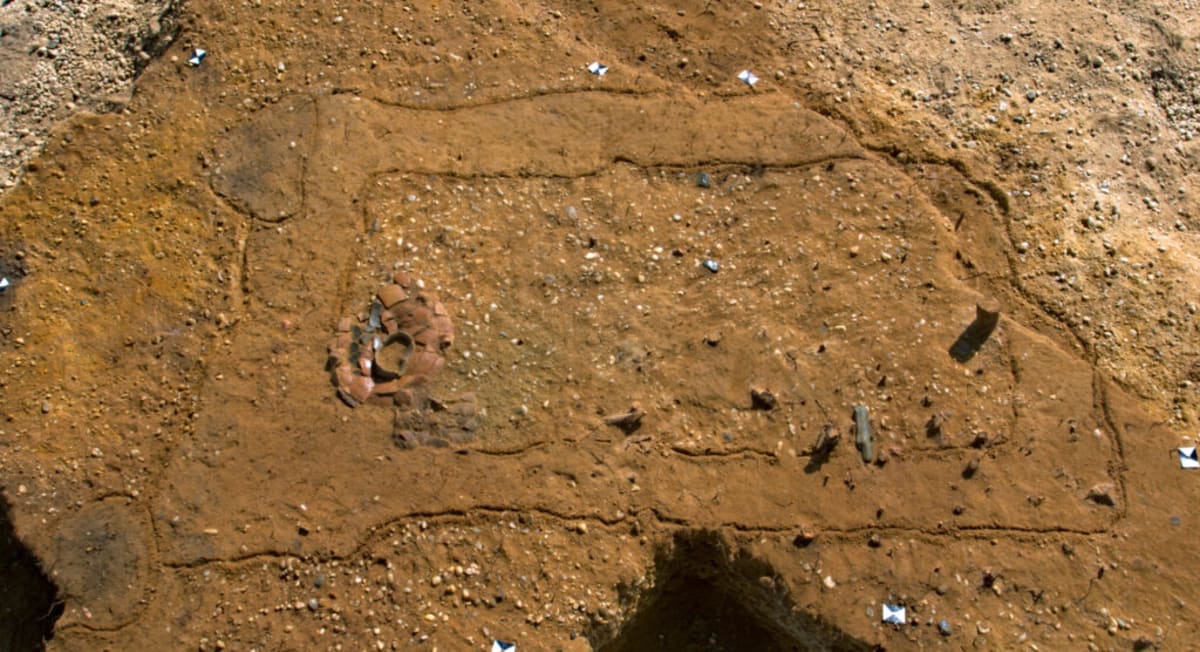
Inside the undisturbed graves, researchers found ceramic vessels, stone tools, and an unexpected treasure. One burial contained nearly 20 copper beads, likely strung together as a necklace. This discovery represents some of the oldest metal jewelry ever found in Saxony, and only the fourth Corded Ware burial in the region containing copper ornaments.
The graves also held an unusually rich collection of weapons and tools. Archaeologists counted six axes, five hatchets, and ten flint arrowheads concentrated in just three graves. That's significantly more than similar burial sites typically contain.
The burial practices themselves tell a fascinating story about gender roles in prehistoric society. Men were laid on their right side facing west, while women rested on their left side facing east. Though acidic soil dissolved most human remains, the copper beads actually preserved one piece of a lower jaw through their corrosion.
Why This Inspires
This discovery shows how modern development and historical preservation can work together beautifully. The excavation only happened because developers coordinated with archaeologists before expanding the quarry. State archaeologist Dr. Regina Smolnik called the findings "sensational results" that highlight why protecting cultural heritage matters.
It's been over 40 years since archaeologists in Saxony had the chance to study burial mounds from this period. Now researchers have fresh insights into how our ancestors traded goods, worked with metals, and built communities across Europe thousands of years before written history began.
The past isn't truly lost when we take time to uncover it carefully.
More Images
Based on reporting by Google: archaeological discovery
This story was written by BrightWire based on verified news reports.
Spread the positivity!
Share this good news with someone who needs it