Germany's 2,500-Year-Old Secret Found Under Fire Station
Workers building a fire station in Hüllhorst, Germany uncovered an entire Iron Age village that's been hidden for 2,500 years. The rare find is giving archaeologists their best look yet at how ancient communities lived in the region.
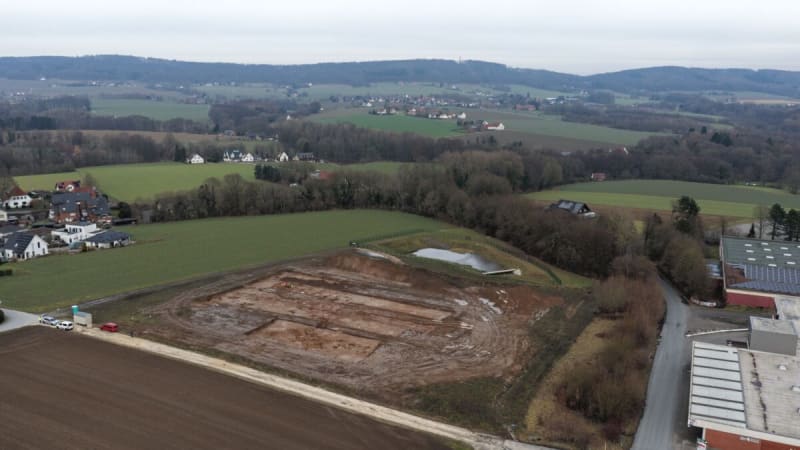
Construction crews in Hüllhorst, Germany broke ground on what they thought would be a routine fire station project. Instead, they uncovered something extraordinary: a complete 2,500-year-old settlement that's rewriting what we know about Iron Age life in the region.
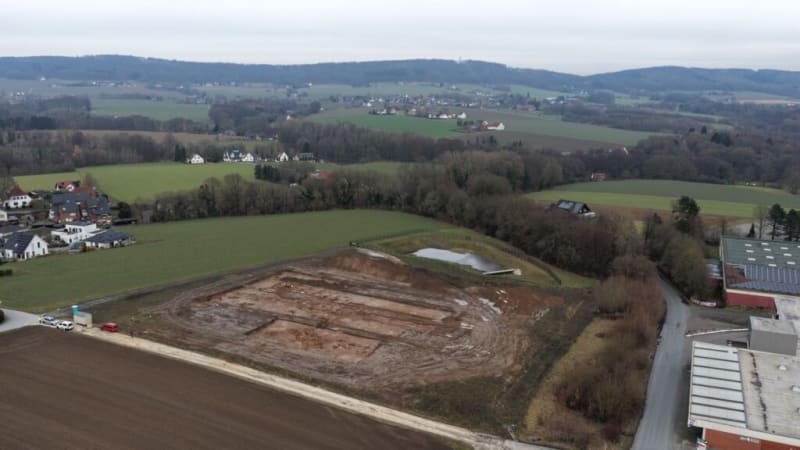
The discovery happened along Lohagenweg, where archaeologists spotted something unusual in the soil. What emerged was a planned community from 800-600 BC, featuring a large residential building and two smaller structures carefully positioned to shield residents from harsh winds.
This wasn't just any village. Experts at the Landschaftsverband Westfalen-Lippe say settlements this intact from the early Iron Age are incredibly rare in East Westphalia. Only two other sites like this have been found in the entire region, both discovered in just the last few years.
The ancient builders knew exactly what they were doing. They positioned their main house facing northeast to southwest, turning the narrow sides toward the wind to minimize exposure. They also chose their location wisely, settling near the Wöhrsiek spring, which still flows today just as it did when these ancient families drew water from it.
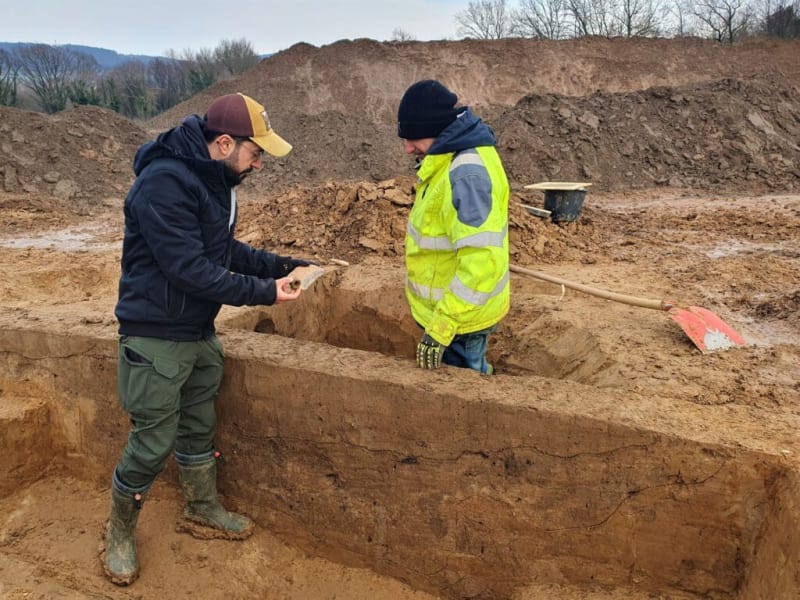
Excavation director Hisham Nabo and his team carefully documented the site, finding postholes that reveal where wooden support beams once stood. These tiny stains in the soil act like blueprints, allowing researchers to reconstruct how the buildings looked and how families organized their living spaces.
Pottery fragments found in storage pits helped date the settlement. The team discovered handled cups called terrines and coarse pottery decorated with distinctive finger impressions along the rims. These artifacts are signature pieces from the pre-Roman Iron Age, and radiocarbon testing of charcoal fragments will provide even more precise dates.
The Ripple Effect
This discovery opens a window into daily life 2,500 years ago that researchers simply didn't have before. With only two similar sites in the entire region, every detail matters. The settlement shows sophisticated planning, environmental awareness, and community organization that challenges assumptions about "primitive" Iron Age societies.
The collaboration between Hüllhorst officials, construction teams, and archaeologists demonstrates how modern development and heritage preservation can work together. The fire station construction is proceeding on schedule, and archaeologists believe more of the settlement may extend north, safe from the building zone.
For residents of Hüllhorst, knowing their town sits atop a carefully planned ancient village adds rich layers to local history. Sometimes the most important discoveries happen right beneath our feet, waiting patiently through millennia for the perfect moment to tell their story.
More Images
Based on reporting by Google: archaeological discovery
This story was written by BrightWire based on verified news reports.
Spread the positivity!
Share this good news with someone who needs it