Germany's €200 Solar Panels Save Europe €3B Monthly
Affordable plug-in solar panels are slashing energy bills across Europe, with Germany leading the charge by installing over one million systems. These balcony-sized panels now cost as little as €200 and require zero installation fees.
Europeans are discovering they can fight high energy costs with a simple shopping trip to the supermarket.
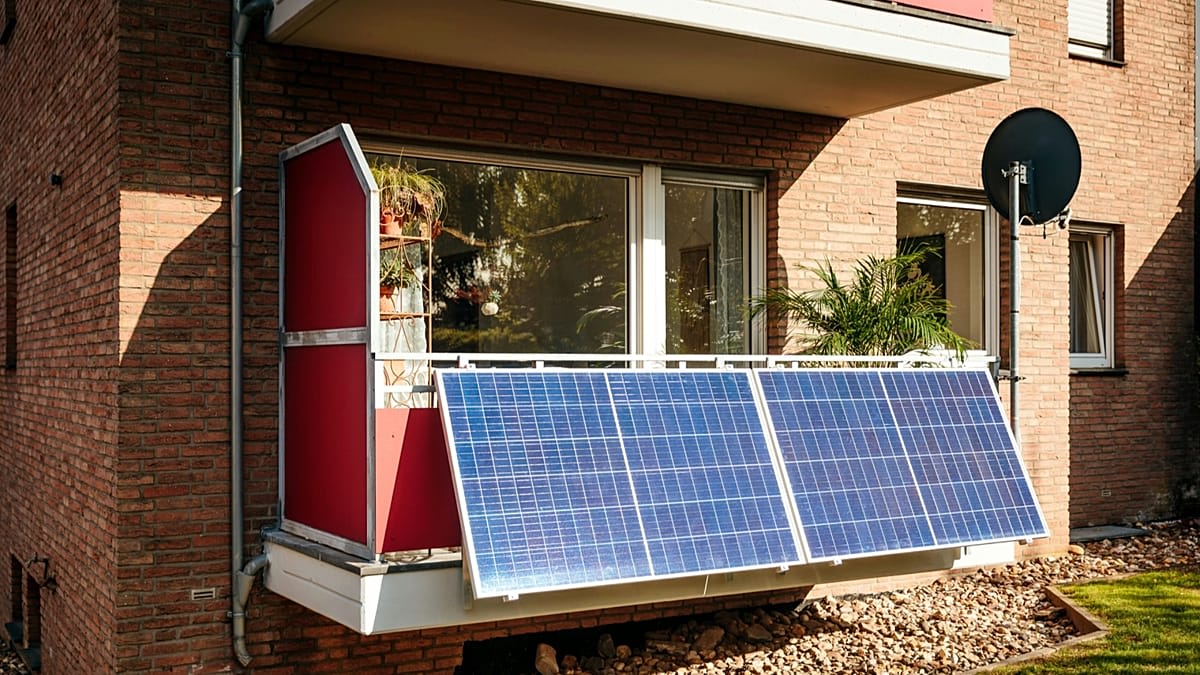
Plug-in solar panels, small enough to hang on a balcony or terrace wall, are transforming how everyday people access clean energy. Unlike traditional rooftop systems that cost thousands of euros, these devices plug directly into a standard wall socket and start reducing electricity bills immediately.
Germany has become the unexpected champion of this energy revolution. Between 2022 and 2025, German households installed more than one million plug-in solar systems, driven by smart government policies that eliminated sales tax and offered payments for electricity fed back into the grid.
The timing couldn't be better. Since March, solar energy has saved Europe over €100 million per day by reducing the need to import expensive gas. That's €3 billion in savings last month alone.
The technology works beautifully for renters and apartment dwellers who can't modify their roofs. German law now allows tenants to install balcony panels themselves without landlord permission or professional help. Small models start at just €200, while larger systems with battery storage cost under €1,000 and generate significantly more power.
Spain is catching up fast. Tornasol Energy, a Spanish plug-in solar company, equipped 1,300 homes last year, saving customers more than €620,000 on energy bills while preventing 14 tons of CO2 emissions.
The UK just joined the movement, announcing that retailers like Lidl will soon stock affordable plug-in panels. British households could save £1,100 over the panels' 15-year lifespan.
The Ripple Effect
What started as Germany's grassroots energy movement is now legal in 25 of 27 EU countries. Customers demanded simpler rules, and governments listened. The falling cost of solar technology means more families can afford to take control of their energy future without massive upfront investments.
Meyer Burger, a German manufacturing company, credits customers for driving political change. People wanted access to clean energy, pushed for easier regulations, and got results.
Most systems pay for themselves within two to six years, depending on size and placement. After that, the electricity is essentially free. German experts project these small panels could cover two percent of the country's electricity demand by 2045.
Europe's energy future is getting brighter, one balcony at a time.
More Images



Based on reporting by Google News - Clean Energy
This story was written by BrightWire based on verified news reports.
Spread the positivity!
Share this good news with someone who needs it