Germany's Forests Bounce Back as Carbon Sinks in 2025
After years of drought and damage turned Germany's forests into carbon emitters, they're back to absorbing CO2. The country's woodlands captured nearly 20 million tonnes more carbon than they released last year.
Germany's forests are healing, and that's good news for everyone who breathes air.
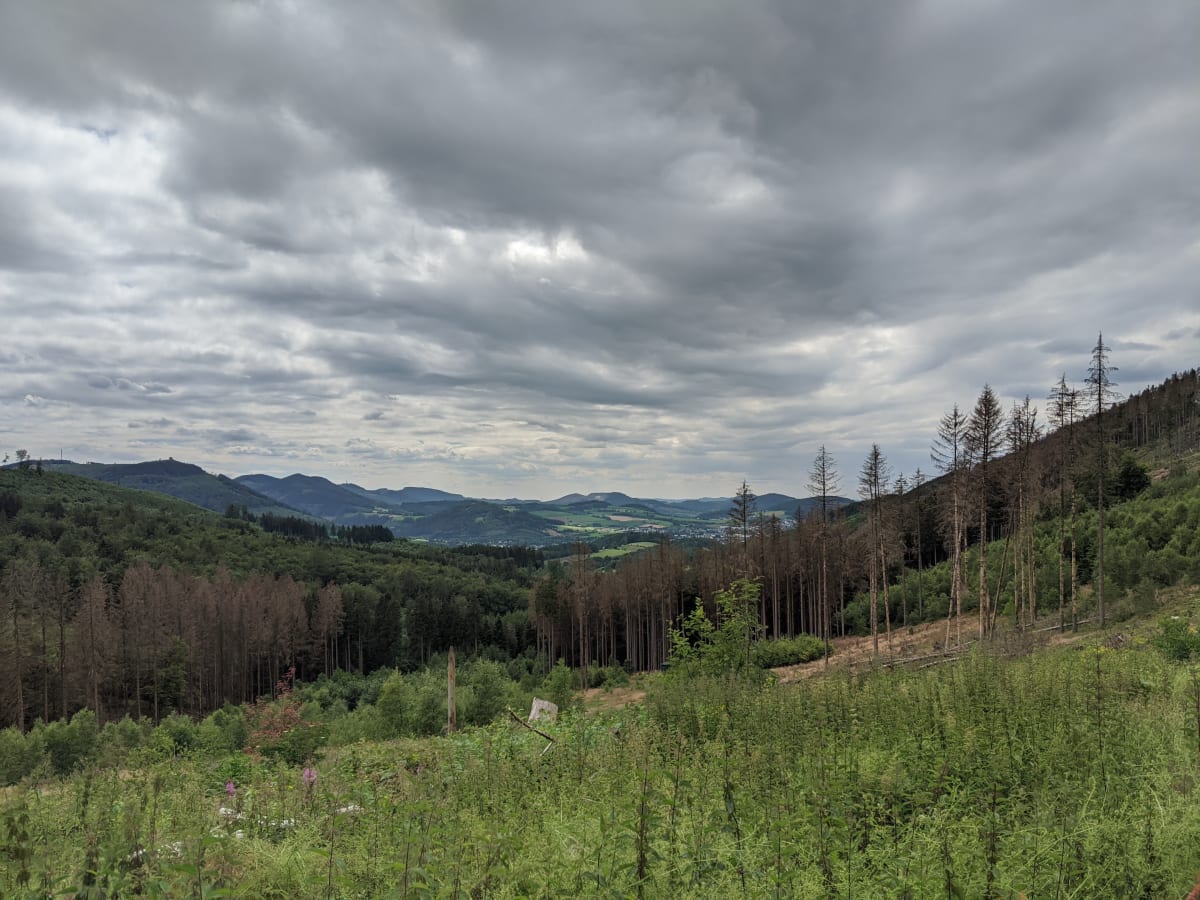
After being battered by droughts, beetle infestations, storms, and wildfires between 2018 and 2023, German forests flipped from releasing carbon into the atmosphere back to absorbing it. In 2025, they captured almost 20 million tonnes more CO2 than they emitted, according to the Federal Environment Agency.
"Germany's forests once again supported climate action efforts," said Environment Minister Carsten Schneider. The recovery marks a turning point after half a decade of environmental stress that weakened these natural climate warriors.
The comeback wasn't guaranteed. Scientists warn that the positive trend depends heavily on weather patterns, meaning forests remain vulnerable to climate extremes. Still, the recovery shows nature's remarkable ability to bounce back when given the chance.
The recovery comes as many damaged forests have gradually healed themselves. Trees that survived the difficult years are growing stronger, and forest management practices have adapted to help woodlands withstand future challenges.
Minister Schneider proposed strengthening government programs focused on nature-based climate solutions. These efforts recognize that protecting and restoring natural ecosystems offers some of the most cost-effective tools for fighting climate change.
The Bright Side
While Germany's overall emissions progress has stalled in other sectors, the forest recovery proves that environmental damage isn't always permanent. When natural systems get relief from stress, they can regenerate surprisingly quickly.
The comeback also highlights how forests serve as both climate victims and climate heroes. They suffer when temperatures rise and rainfall patterns shift, yet they remain essential allies in removing carbon from the air.
Rewetting peatlands represents another major opportunity, according to the Thünen Institute. These waterlogged ecosystems, when drained, become major carbon sources, but restoring them could dramatically cut emissions from land use.
The forest recovery matters beyond Germany's borders too. As countries worldwide search for natural climate solutions, Germany's experience offers lessons in forest resilience and the importance of supporting ecosystem recovery during environmental stress.
Germany has now cut total emissions by 48 percent since 1990, with its forests once again pulling their weight in that effort. While challenges remain in transportation and buildings, the natural world is showing up to help.
Nature keeps proving it's on our side when we give it a fighting chance.
Based on reporting by Google News - Emissions Reduction
This story was written by BrightWire based on verified news reports.
Spread the positivity!
Share this good news with someone who needs it