Germany's Isar Aerospace Reaches Orbit on Second Try
A German rocket company founded just eight years ago has become the first European firm to reach orbit with its own launcher, marking a major milestone for the continent's space independence. The successful flight comes after a crash landing last year and positions Europe to rely less on foreign rockets.
A young German space company just made history by launching a rocket into orbit from European soil, bringing the continent one giant leap closer to space independence.
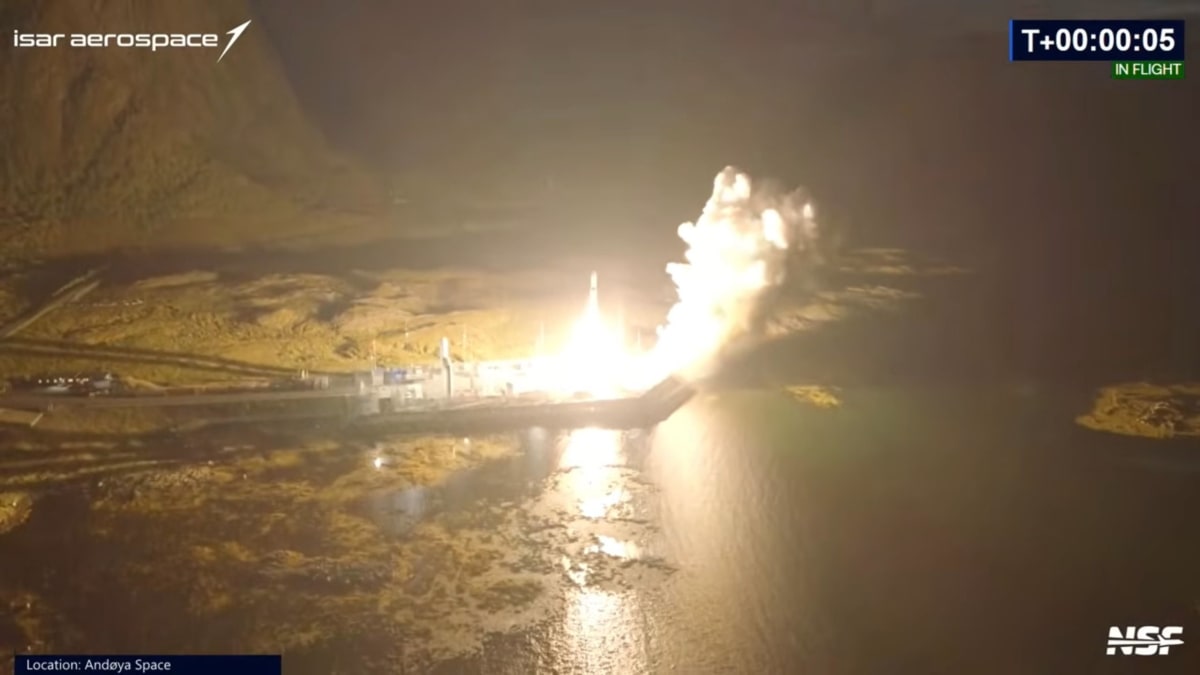
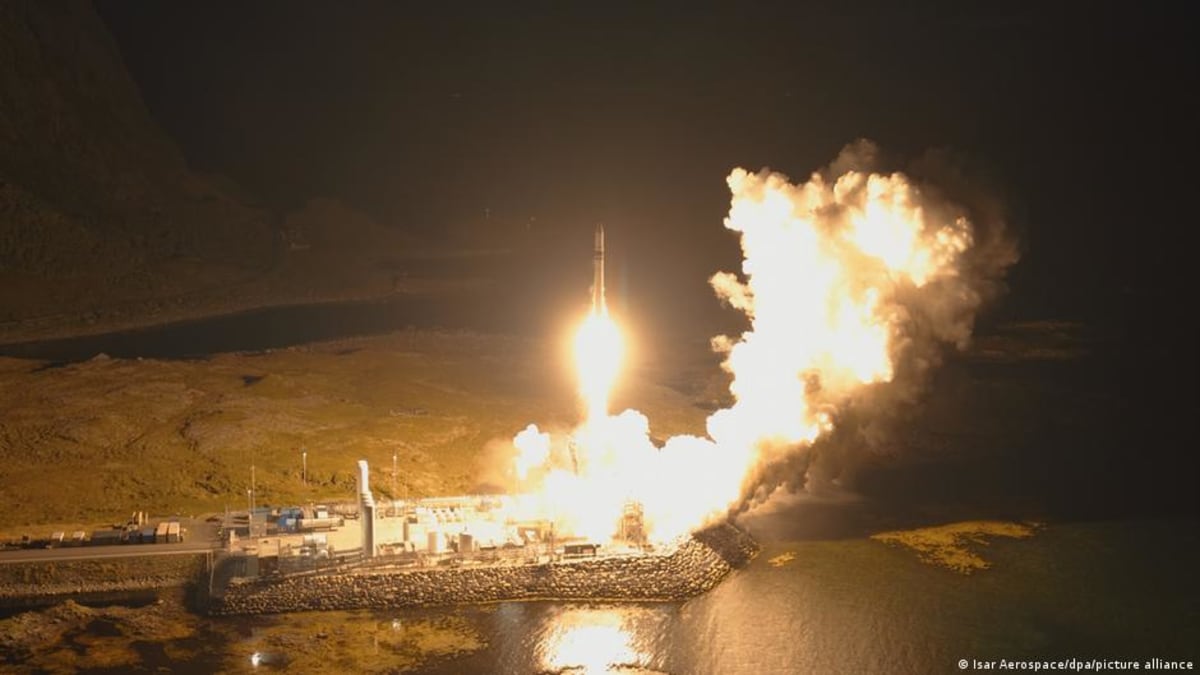
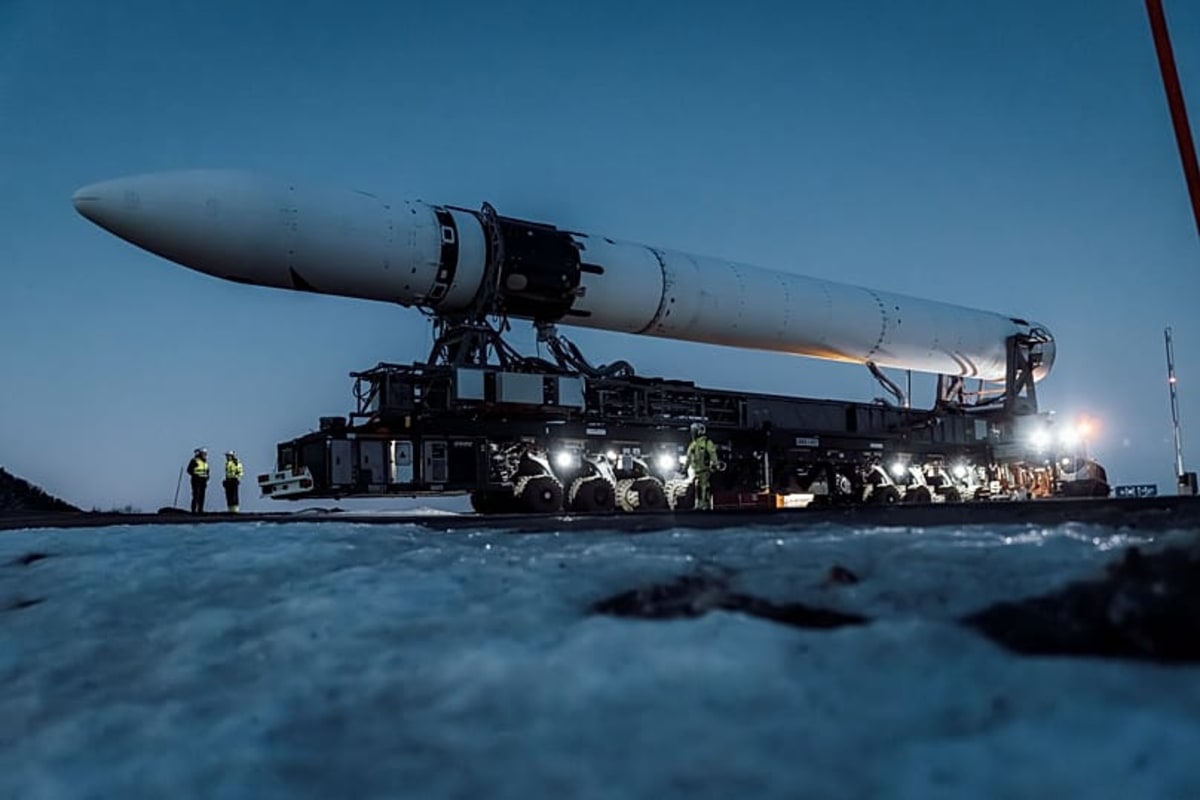
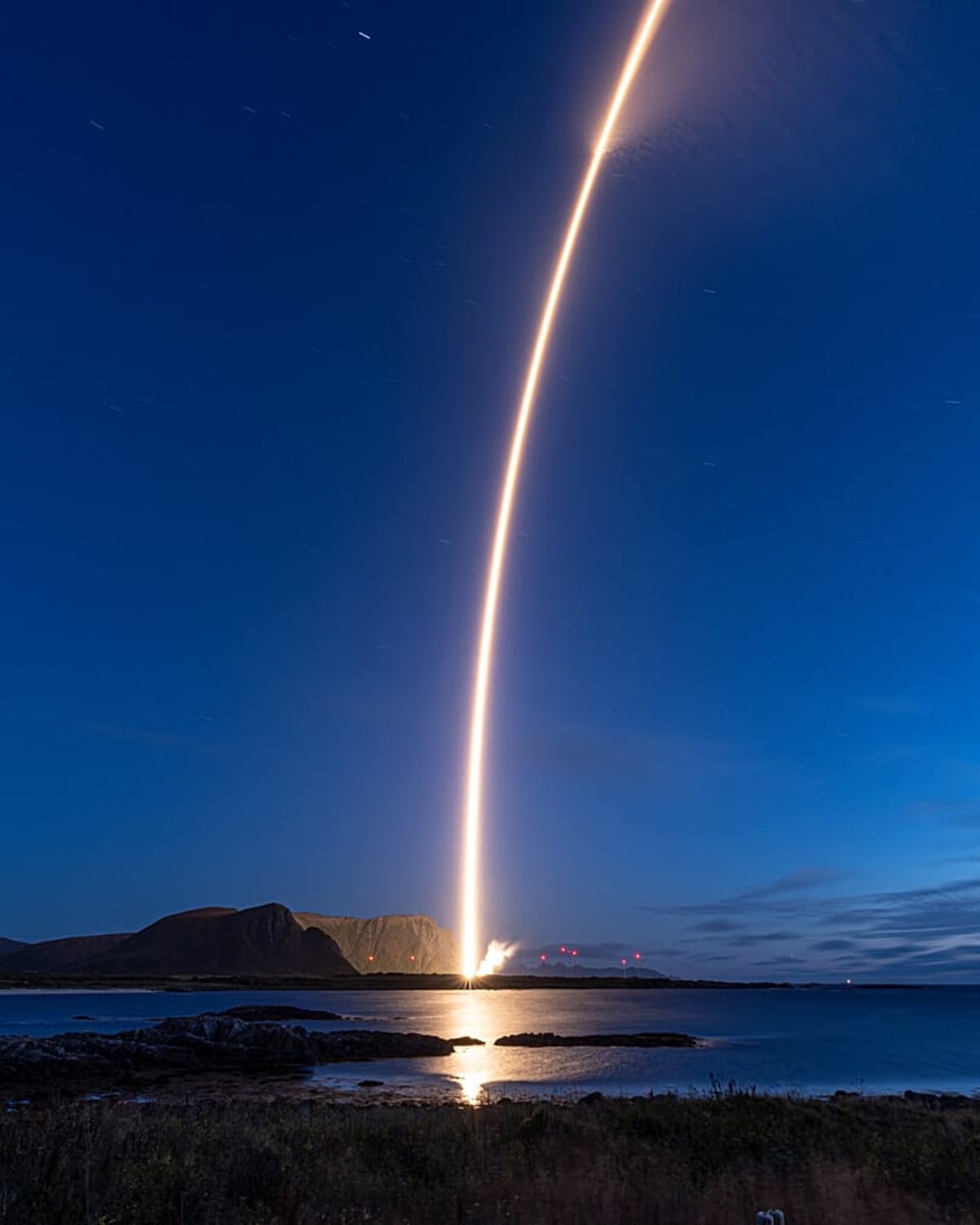
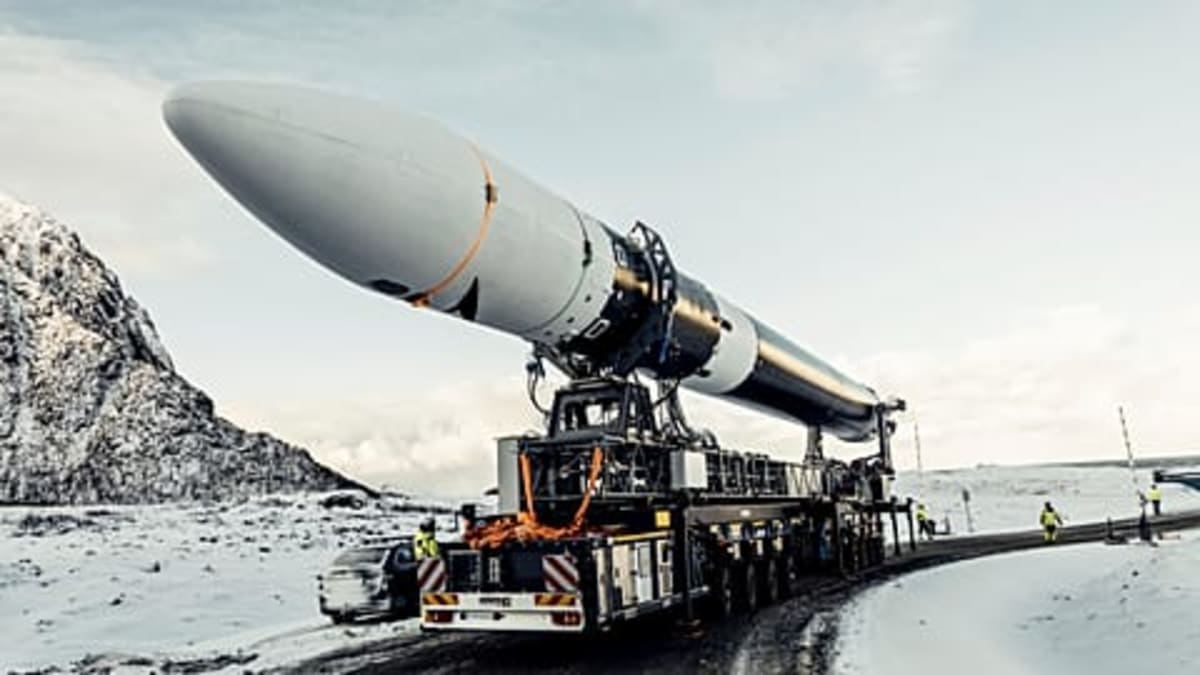
Isar Aerospace's Spectrum rocket lifted off from Norway's Andøya spaceport in September 2026 and successfully placed its payload into low Earth orbit. The 28-meter-tall rocket carried six commercial and educational payloads, including student experiments and small satellites called CubeSats.
The success is especially sweet after the company's first attempt in 2025 ended with the rocket crashing into the sea just 30 seconds after liftoff. This time, the mission named "Onward and Upward" lived up to its name.
Josef Aschbacher, Director General of the European Space Agency, called the launch historic. He praised Isar Aerospace for taking an important step toward making Europe's space sector more diverse and self-reliant, especially impressive for a company founded only eight years ago.
The launch wins Isar Aerospace the first milestone in ESA's European Launcher Challenge, a program pushing companies to achieve orbital launches before 2027. The goal is simple but crucial: stop depending on other countries to launch European satellites.
The Ripple Effect
Europe's space sector is heating up fast. Spain's PLD Space recently secured a 158.9 million euro contract to increase launch rates for its MIURA 5 rocket under the same challenge program.
The competition is creating exactly what Europe needs: multiple homegrown options for getting satellites into space. Right now, European organizations often rely on American or other foreign rockets, which can be expensive and complicated by politics or availability.
Isar Aerospace received support from ESA's Boost! program, which funds commercial space transport. The company also won Germany's first Microlauncher Competition, which determined what payloads would fly on this mission.
The Spectrum rocket is designed to carry up to 1,000 kilograms to low Earth orbit using ten engines split between two stages. That makes it perfect for launching the growing number of small satellites that companies and researchers need in orbit.
Géraldine Naja, ESA's Director of Space Transportation, congratulated the teams and said she expects to see more launches from Andøya soon. The spaceport in northern Norway is becoming a hub for European space activity.
For students whose experiments flew on this mission, the flight offered hands-on space experience they couldn't get in any classroom. Europe is betting that by making space more accessible now, it will inspire and train the next generation of space engineers and scientists who will keep the momentum going.
More Images
Based on reporting by Euronews
This story was written by BrightWire based on verified news reports.
Spread the positivity!
Share this good news with someone who needs it