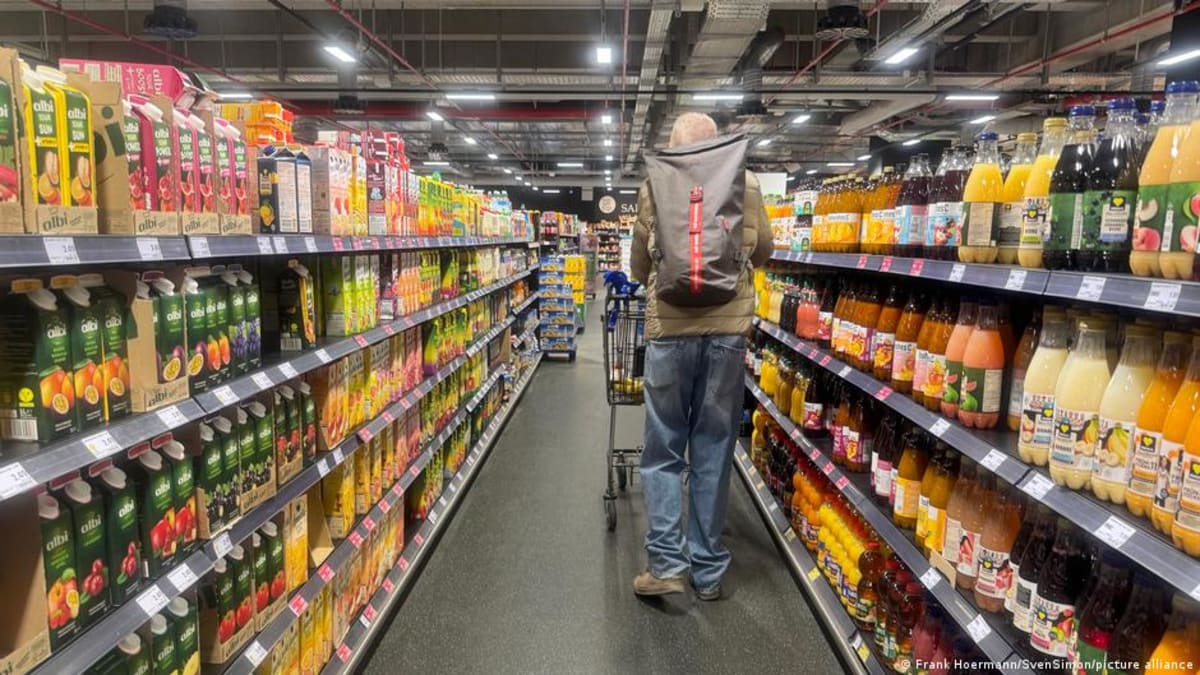
Germany's 'Quiet Hour' Gives Sensory-Sensitive Shoppers Relief
Stores across Germany are dimming lights, turning off music, and reducing noise for weekly Quiet Hours to help people with autism, ADHD, and other conditions shop without sensory overload. What started in one New Zealand supermarket is now spreading to Ikea, museums, and even bowling alleys.
Imagine feeling overwhelmed by every shopping trip—bright lights, beeping registers, loud music, and crowds making it nearly impossible to buy groceries. For millions of people with autism, ADHD, chronic pain, and other sensory sensitivities, this is everyday reality.
Now, businesses across Germany are creating space for them to breathe. Every Wednesday, all German Ikea stores go quiet from 5 to 7 p.m., dimming lights, silencing music, and stopping PA announcements. Supermarkets, museums, and entertainment venues are joining in.
The movement started in 2019 when New Zealander Theo Hogg, who has an autistic child and works at a supermarket, convinced his employer to introduce Quiet Hour nationwide. The idea caught on globally, reaching Germany in 2023 through the advocacy group Gemeinsam Zusammen (Together Together).
"We want the Quiet Hour to provide relief for people with invisible disabilities," explained spokesperson Rebecca Lefevre. "Their nervous systems are often permanently overwhelmed."
For people without sensory challenges, a shopping trip is routine. But for those with autism spectrum disorder, ADHD, chronic fatigue, or psychological conditions, rattling carts, overlapping scents, and colorful signs create genuine physical distress that keeps many homebound.
Rudolf Schmidt runs a Rewe supermarket near Frankfurt that observes Quiet Hour every Wednesday from 3 to 4 p.m. His staff dims lights, turns off register beeps, postpones shelf restocking, and even asks loud phone callers to wrap up their conversations.
"The customers who make a point of visiting us specifically for this reason thank us," Schmidt said. When occasional shoppers question the practice, they become understanding once he explains.
The initiative extends beyond retail. Movie theaters, swimming pools, bowling alleys, and soon an indoor trampoline park are participating. The Münster City Museum offers a monthly Quiet Hour route with communication cards and a dedicated peaceful space.
The Ripple Effect
What makes Quiet Hour powerful isn't just the accommodation itself but what it signals. By making invisible disabilities visible, businesses are teaching entire communities about the diverse ways people experience the world.
"People with these kinds of disabilities often can't say exactly what the precise problem is, and their conditions aren't visible to others," Lefevre noted. "These people often just get told they're putting on an act."
When Frank Rohde's gardening shop in Kassel joined the initiative, he realized his business had accidentally been practicing Quiet Hour all along. "It's the way we've always done things: no music, it's quiet, and we talk to our customers," he said. His experience shows that calm retail spaces benefit everyone.
In our age of constant smartphone notifications and sensory bombardment, many neurotypical people are discovering they appreciate quieter public spaces too. The relief from overstimulation is becoming universal.
Businesses are proving that inclusion doesn't require expensive renovations or complicated protocols—sometimes it just takes turning down the volume and dimming the lights so everyone can shop in peace.
More Images

Based on reporting by DW News
This story was written by BrightWire based on verified news reports.
Spread the positivity!
Share this good news with someone who needs it