Ghana and Côte d'Ivoire Team Up to Save Their Coasts
Two West African nations are joining forces to protect their shared coastline from rising seas and climate threats. The groundbreaking project aims to save livelihoods for millions while creating a model other countries can follow.
Ghana and Côte d'Ivoire are proving that countries can accomplish more together than apart, launching a joint effort to protect their vulnerable coastlines from the growing impacts of climate change.
The initiative, funded by the Adaptation Fund and implemented by UN-Habitat, marks a shift from each country working alone to unified action. The two nations are combining their resources, data, and planning systems to safeguard the shoreline that millions depend on for their survival.
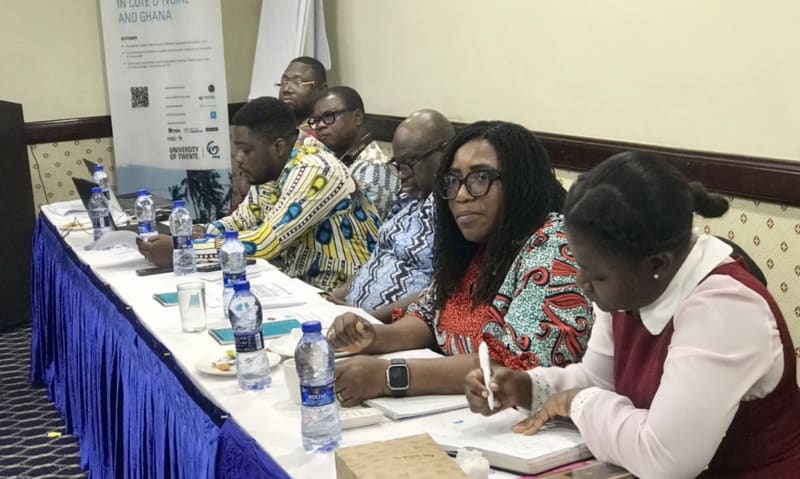
Dr. Peter Dery from Ghana's Ministry of Environment explained what's at stake. "When we lose the coast, we lose livelihoods," he said at a recent meeting in Accra. "Our fishermen are now pulling plastics out of the ocean instead of fish, and our protective mangroves are being depleted for fuel."
The project tackles threats from multiple angles: rising sea levels, powerful tidal waves, and rapid coastal development. These forces combine to threaten the transport, energy, fisheries, and water sectors that keep coastal communities alive.
Getting two countries with different languages and administrative systems to work as one hasn't been easy. Luc Boerboom from the University of Twente spent a year helping align the nations' planning approaches. "We are working with two languages and two very different systems, but that is what makes the results valuable," he said.
Technology is playing a crucial role. Researchers use satellite imagery to track coastal changes in real time, giving communities the information they need to make smart decisions about protecting their homes.
The project puts local people first. Mathias Spaliviero from UN-Habitat emphasized that coastal residents must lead the decision making since they experience erosion's impacts firsthand. The team is investing in both physical solutions and community education, addressing everything from mangrove cutting to urban sprawl.
Organizations like ActionAid and Habitat for Humanity work directly with villages to turn national plans into local action. When officials in the capital cities set goals, these groups make sure mangrove seedlings actually get planted in Volta Region villages.
The Ripple Effect
The partnership's impact could spread far beyond these two countries. By creating materials in both English and French, Ghana and Côte d'Ivoire are building a blueprint that other West African nations facing similar challenges can adapt and use.
The model demonstrates how neighbors can pool their expertise and resources to tackle problems too big for any single country. As climate change continues reshaping coastlines across Africa, this collaborative approach offers hope for protecting both the environment and the people who depend on it.
Communities that once watched helplessly as waves ate away their shores now have real tools and support to fight back.
Based on reporting by Myjoyonline Ghana
This story was written by BrightWire based on verified news reports.
Spread the positivity!
Share this good news with someone who needs it