Ghana and US Partner to Protect Fish and Create Jobs
Ghana and the United States are joining forces to fight illegal fishing and build a stronger, more sustainable seafood industry that could create thousands of jobs. This partnership brings hope for coastal communities while protecting the ocean for future generations.
Ghana's waters are about to get a powerful ally in the fight against illegal fishing and food insecurity.
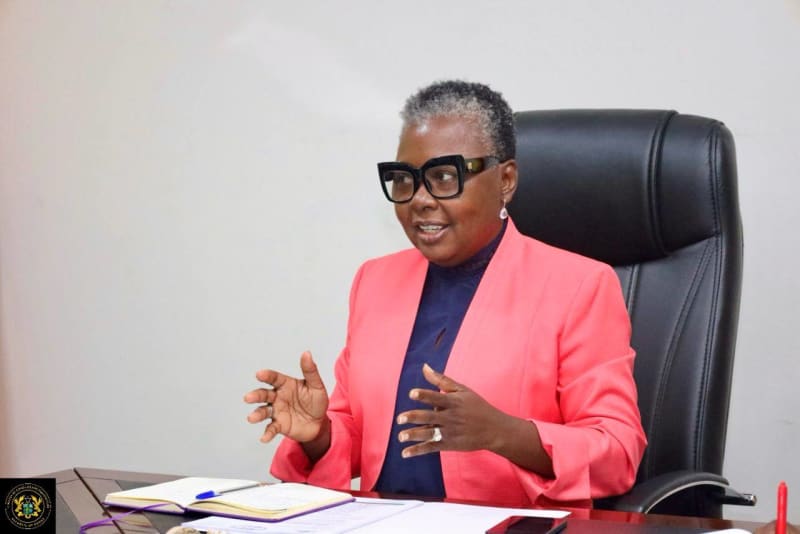
U.S. Embassy officials met with Ghana's Minister for Fisheries and Aquaculture, Emelia Arthur, in Accra to strengthen cooperation that could transform the West African nation's seafood industry. The partnership addresses a challenge that affects millions: illegal fishing that threatens both ocean health and the livelihoods of coastal families.
Rolf Olson, the U.S. Embassy's Chargé d'Affaires, highlighted how illegal fishing creates ripples far beyond Ghana's shores. It damages marine ecosystems, steals food from local communities, and undermines honest fishermen trying to make a living.
The U.S. government pledged support for better governance, sustainable practices, and private investment throughout Ghana's fishing industry. American officials also pointed to exciting business opportunities that could bring cutting-edge technology and expertise to Ghanaian waters.
Minister Arthur focused on aquaculture, or fish farming, as a game changer for Ghana's economy. She explained how expanding this sector could create jobs specifically for young people and women while boosting the country's food supply.
Ghana needs better vessel monitoring systems to track boats at sea and stronger fish health management to build a modern aquaculture industry. These improvements require international partnerships like the one with the United States.
The Ripple Effect
This collaboration reaches far beyond government offices. Coastal communities across Ghana stand to benefit from jobs in sustainable fishing and aquaculture. Women who process and sell fish could access new markets through improved supply chains.
Better monitoring systems mean illegal fishing boats can't steal resources that belong to Ghanaian fishermen. Healthier fish farms mean more affordable protein for families struggling with food costs. Technology transfer from the U.S. could help Ghana become a regional leader in sustainable seafood production.
The partnership also protects ocean ecosystems that feed millions of people across West Africa. When countries work together to stop illegal fishing, they preserve marine life for the next generation of fishermen and their children.
Both nations committed to sharing research, improving enforcement at sea, and attracting responsible investment that prioritizes both profit and sustainability. This cooperation shows how international partnerships can solve problems too big for any single country to tackle alone.
Ghana's ocean resources now have a stronger chance of supporting families for decades to come.
Based on reporting by Google News - Ghana Development
This story was written by BrightWire based on verified news reports.
Spread the positivity!
Share this good news with someone who needs it