Ghana Backs Women Entrepreneurs With $87M Development Bank
Ghana's Trade Minister announced a new women-focused development bank with $87 million in funding, calling women entrepreneurs essential to the country's economic future. The initiative tackles a financing gap that could unlock billions in economic growth across Africa.
Ghana is betting big on women entrepreneurs as the engine of its economic future, and it's putting serious money behind that vision.
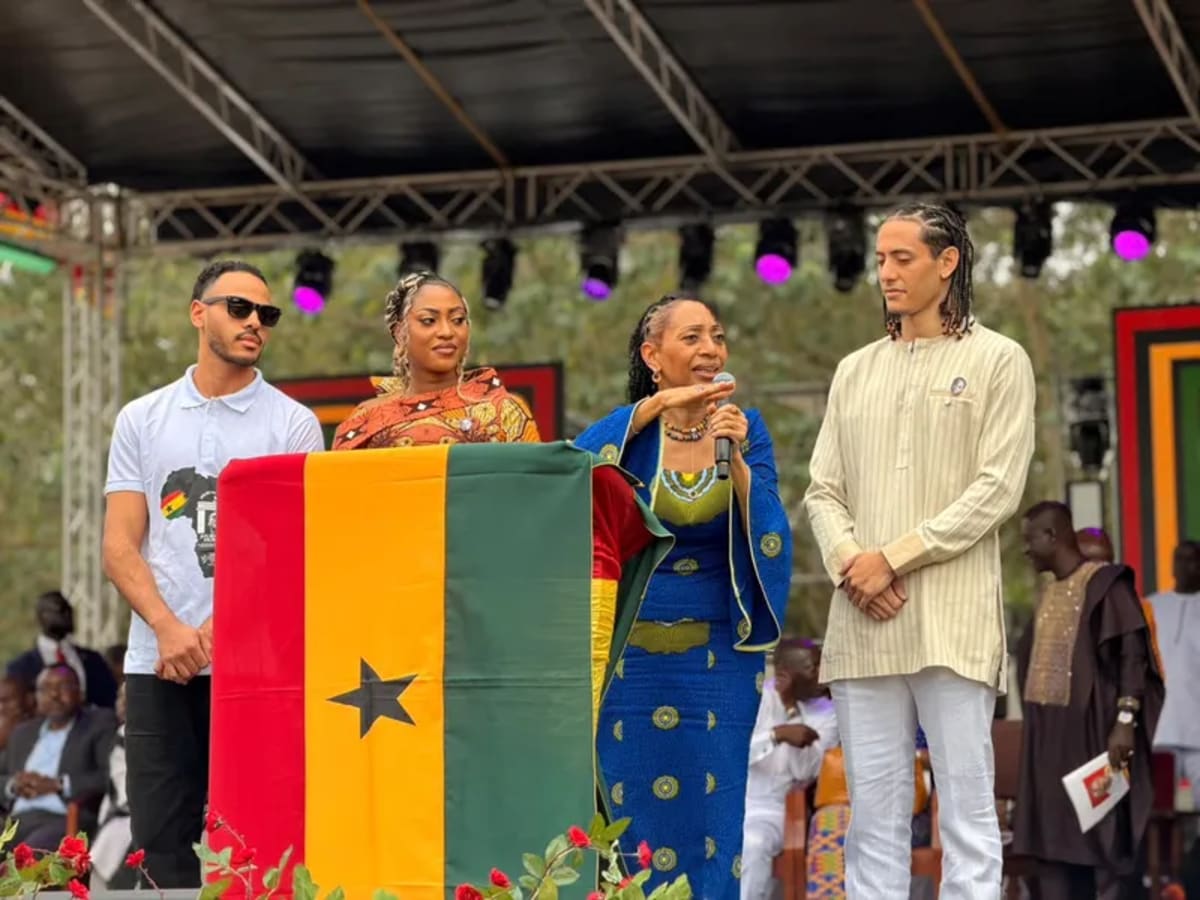
Trade Minister Elizabeth Ofosu-Adjare announced at the Ghana Female CEOs Summit that the country is launching a dedicated Women's Development Bank with 401 million Ghana cedis (roughly $87 million USD) from the 2026 national budget. The bank will offer low-interest loans, flexible collateral requirements, and business mentorship designed specifically for women-led enterprises.
The timing couldn't be more critical. Women own 40 percent of businesses in Ghana and make up over 70 percent of workers in the country's food system, yet they still face massive barriers to financing and formal business assets.
"Women constitute approximately 51 percent of Ghana's population," Ofosu-Adjare told the audience of female business leaders. "We are the majority and underutilized engine of national growth."
The numbers back up her argument. The International Finance Corporation estimates that closing the gender financing gap for small and medium businesses in Sub-Saharan Africa could generate $42 billion annually. McKinsey projects that advancing women's equality across Africa could add $316 billion to the continent's GDP.
The Women's Development Bank is just one piece of Ghana's broader push for economic inclusion. The government recently passed the 24-Hour Economy Authority Act, which offers tax incentives and reduced electricity costs to businesses operating extended hours in manufacturing, agro-processing, retail, and hospitality sectors where many women entrepreneurs work.
Ghana also began implementing its Affirmative Action Law in July 2025, requiring increased female representation in leadership positions across public and private institutions. At upcoming industrial park zones, women-owned manufacturing and agro-processing businesses will receive land rebates.
The Ripple Effect
Ghana's moves come as the African Continental Free Trade Area opens new export opportunities in sectors where women dominate, including cassava processing, textiles, and palm oil production. The government aims to triple non-traditional export earnings from $3.5 billion to $10 billion by 2030, with women-led businesses positioned as key players.
Ofosu-Adjare, speaking from personal experience as a woman in leadership, acknowledged the unique challenges female CEOs face. "I know what it costs," she said. "I know the discipline, the resilience, and the quiet determination it takes to lead while being watched differently, judged differently, and held to a different standard."
Her message to Ghana's female entrepreneurs was clear: the country sees their potential and is building infrastructure to support it. "We see you. We are building for you. And we expect you to grow beyond what any of us can currently imagine."
When women succeed, families thrive and nations prosper.
Based on reporting by Google News - Ghana Development
This story was written by BrightWire based on verified news reports.
Spread the positivity!
Share this good news with someone who needs it