Ghana Bank Gives 10,000+ Pads, Fights Period Shame
Development Bank Ghana is tackling centuries-old menstruation stigma head-on by donating over 10,000 sanitary pads to three schools and educating students that periods are completely natural. The initiative is keeping girls in classrooms and challenging harmful myths that have forced students to miss school or resort to unsafe alternatives.
For too many girls in Ghana's Ahafo Ano North region, getting their period meant choosing between missing school or using rags and scraps of paper that risked serious infections. That devastating choice is ending thanks to a bank that sees menstrual health as human capital development.
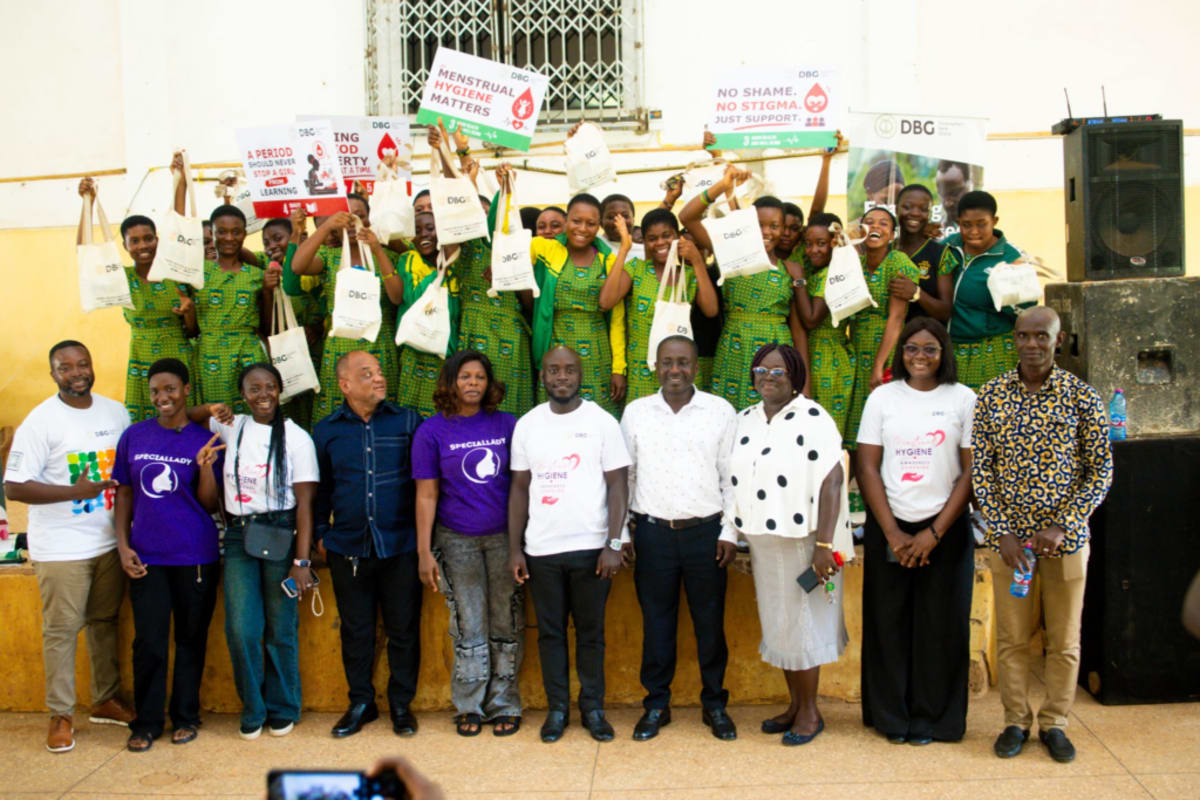
Development Bank Ghana (DBG) just distributed more than 10,000 sanitary pads to students at Tepa Senior High School, Mabang Senior High School, and CMI Carmel School. But the pads are only half the story.
The bank's Corporate Social Responsibility team is confronting something even more harmful than lack of supplies: the ancient belief that menstruation makes women "unclean." That myth has fueled shame, isolation, and discrimination for generations.
"Menstruation is a normal part of women's lives, and the long-held misconception that it makes a woman 'unclean' must stop, because it is the Creator who ordained it as part of women's lives," said Barbara Anawonu Wricketts, DBG's Head of Corporate Social Responsibility. She pointed out how men often avoid women during their periods or treat them differently, reinforcing stereotypes that crush girls' confidence in school and social settings.
The education campaign targeted both boys and girls, creating conversations that help boys show understanding instead of stigma. Helena Baffoe Adentwi, Senior House Mistress at Tepa SHS, called this approach critical for shifting attitudes across the entire school community.
The Ripple Effect
The impact extends far beyond one month's supply of pads. School authorities reported that many students simply cannot afford sanitary products each month, a financial barrier that directly translates to missed classes and falling behind academically.
Students who attended the hygiene seminars expressed relief and gratitude that went deeper than the physical supplies. "Many of us had no choice but to use rags or scraps of paper during our periods, which put us at risk of infections and other health issues," one student explained. "With access to proper sanitary products, we can manage our menstruation with dignity and attend classes without fear or embarrassment."
The bank pledged to continue expanding its menstrual health programs, recognizing that removing both practical and social barriers keeps girls in classrooms. When girls can attend school every day of the month without shame or health risks, they can focus fully on building their futures.
DBG's approach combines immediate relief with long-term cultural change, proving that financial institutions can invest in more than just traditional development projects.
Based on reporting by Myjoyonline Ghana
This story was written by BrightWire based on verified news reports.
Spread the positivity!
Share this good news with someone who needs it