Ghana Bank Leader: AI Needs Ethics, Not Just Tech Skills
The Second Deputy Governor of the Bank of Ghana returned to her alma mater with a powerful message: artificial intelligence will only transform the nation if leaders prioritize inclusion over profit. Her speech challenges students to use AI as a tool for empowerment, not exclusion.
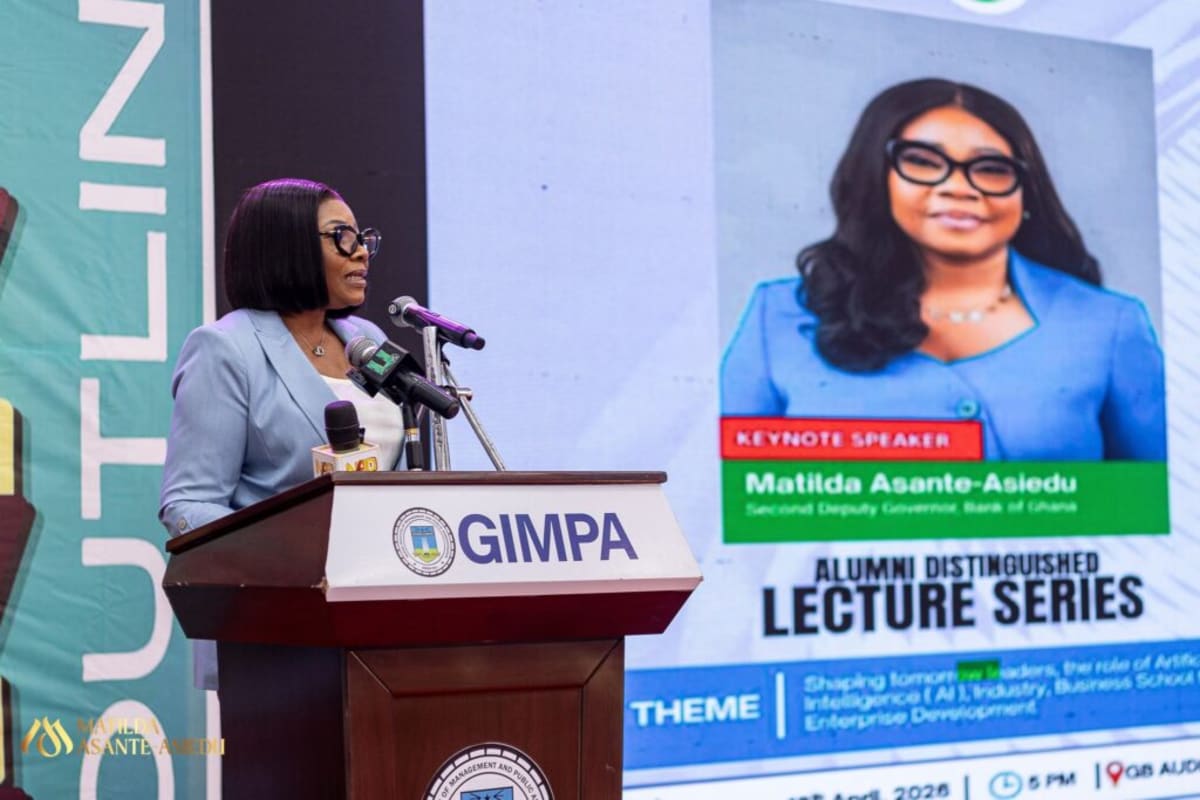
When Matilda Asante-Asiedu walked onto the stage at Ghana's prestigious business school GIMPA last week, she stood where she once sat as a student. Now Second Deputy Governor of the Bank of Ghana, she delivered a message that could reshape how Africa's next generation approaches technology.
AI isn't coming to Ghana. It's already here, transforming everything from farms to hospitals to financial services. But Asante-Asiedu warned the packed auditorium that without ethical leadership, these powerful tools could leave behind the small businesses and entrepreneurs who form the backbone of the nation's economy.
"Artificial Intelligence will shape the future of enterprise in Ghana, but it is leadership that will determine whether that future is inclusive, trusted, and sustainable," she told students at the GIMPA Alumni Distinguished Lecture Series on April 14, 2026. Her core argument: technical skills matter less than the values guiding how we deploy them.
She challenged students to abandon the "waiting for employment" mindset. Instead, she urged them to see AI as a strategic partner for scaling local culture and commerce globally.
Her example hit home. President Mahama's 'Fugu Wednesday' initiative promotes traditional Ghanaian smock clothing. Asante-Asiedu asked students to imagine using AI to market these garments worldwide, optimize supply chains, and turn a cultural tradition into a thriving export business.
The Ripple Effect goes far beyond one sector or initiative. Ghana sits at the crossroads of Africa's technological revolution, with a young, educated population eager to build the future. If this generation learns to wield AI as a tool for inclusion rather than a barrier to opportunity, the model could spread across the continent.
Asante-Asiedu's journey from student to central banker to keynote speaker proves that transformation happens through intention, not accident. She called for leaders who measure success not just in profits but in "responsibility, inclusion, and impact."
Her message resonates beyond Ghana's borders. As nations worldwide grapple with AI's rapid advancement, the question isn't whether the technology will arrive but who it will serve. Small businesses, rural communities, and traditional industries don't need to be casualties of progress when leaders design systems with fairness and accessibility from the start.
For the students filling that auditorium, the challenge is clear: build, create, and use the most powerful tools of this generation to lift others up. The future won't create itself, but they can shape it with every choice they make about how technology serves humanity.
Based on reporting by Myjoyonline Ghana
This story was written by BrightWire based on verified news reports.
Spread the positivity!
Share this good news with someone who needs it