Ghana Becomes West Africa's Hub for Skills Training
A Ghanaian vocational school just graduated 124 students from three countries, signaling Ghana's rise as West Africa's go-to destination for job-ready skills. Students from Nigeria and Sierra Leone are now choosing Ghana to learn trades that lead straight to employment.
Ghana is quietly becoming the place where West African young people go to learn skills that actually lead to jobs.
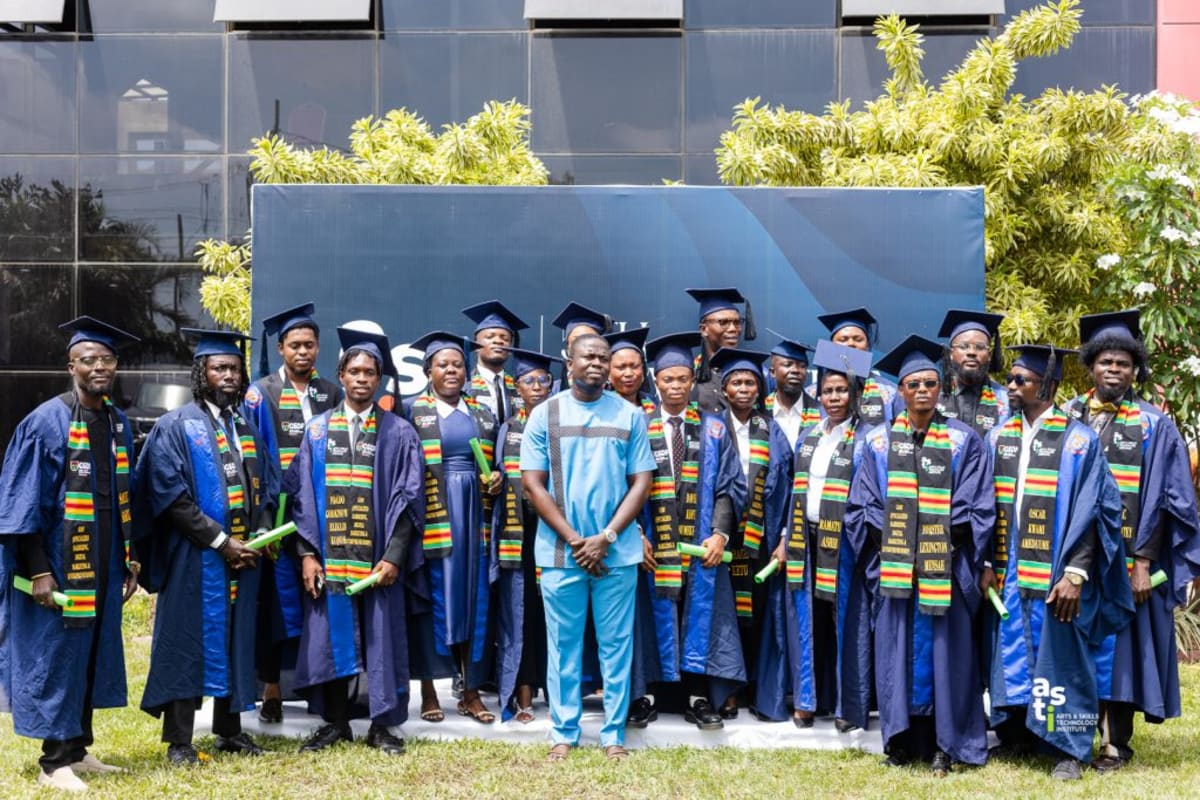
The Arts and Skills Technology Institute (ASTI) just celebrated its fifth graduation ceremony in Accra, awarding certificates to 124 graduates from Ghana, Nigeria, and Sierra Leone. Students traveled across borders to train in everything from fashion design and cosmetology to digital marketing and mechanized farming.
Rebecca Donkor, ASTI's founder, says the international attendance proves something important is happening. "ASTI is no longer serving only Ghana; it is serving West Africa," she explained. "The fact that students are coming from Nigeria and Sierra Leone confirms that skills training in Ghana is gaining regional trust and relevance."
Unlike traditional universities, ASTI focuses entirely on practical skills that translate directly into paychecks. Students leave ready to either start working immediately or launch their own businesses. The programs include makeup artistry, barbering, millinery, garment making, and even entrepreneurship training.
The graduation theme says it all: "Skills for Jobs, Innovation and National Development." ASTI isn't just teaching crafts. It's equipping people to solve their own unemployment challenges.
Donkor told graduates to see themselves differently than previous generations. "They are not waiting for jobs; they are creating jobs," she said. "They are innovators, employers and solutions to unemployment challenges in their communities."
The institute has already trained over 3,000 people across the region. Its success comes from partnering with government skills programs while maintaining high standards. That combination of public support and private quality control is creating something special.
The Ripple Effect
When students from multiple countries choose one place for training, they take home more than certificates. Nigerian and Sierra Leonean graduates return as ambassadors for what's possible, potentially inspiring others to seek quality skills education. Meanwhile, Ghana strengthens its reputation as a regional leader in practical education, attracting more students and investment.
The model challenges the old assumption that technical training is somehow less valuable than academic degrees. ASTI proves that skills-based education can attract international students just like traditional universities do.
Donkor has big plans for what comes next. "Our vision is to make Ghana a reference point for skills excellence in West Africa," she said. "When young people across the region think of practical skills and opportunity, we want them to think of Ghana and ASTI."
That vision is already taking shape, one graduate at a time.
Based on reporting by Google News - Ghana Development
This story was written by BrightWire based on verified news reports.
Spread the positivity!
Share this good news with someone who needs it