Ghana Blocks National IDs Tied to Mobile Money Fraud
Ghana is cracking down on mobile money fraud by blocking national ID cards linked to repeated scams. The move could lock fraudsters out of telecom services and government systems entirely. ##
Ghana just took a bold step to protect its booming digital economy from the fraudsters trying to exploit it.
The government announced it will block any Ghana Card (national ID) connected to multiple mobile money fraud cases. This isn't just about losing a phone number. People caught defrauding the system could lose access to telecom services, banking, and even government programs that rely on digital identity.
The timing makes sense when you see the numbers. In 2024, Ghana recorded over 16,700 fraud cases in its financial sector, and mobile money accounted for a staggering 15,673 of them, according to the Bank of Ghana's Financial Stability Report.
That's a massive jump from 2023, when mobile money fraud made up only about 2,700 cases out of 13,000 total. In just one year, it went from a minor problem to the dominant fraud channel in the country.
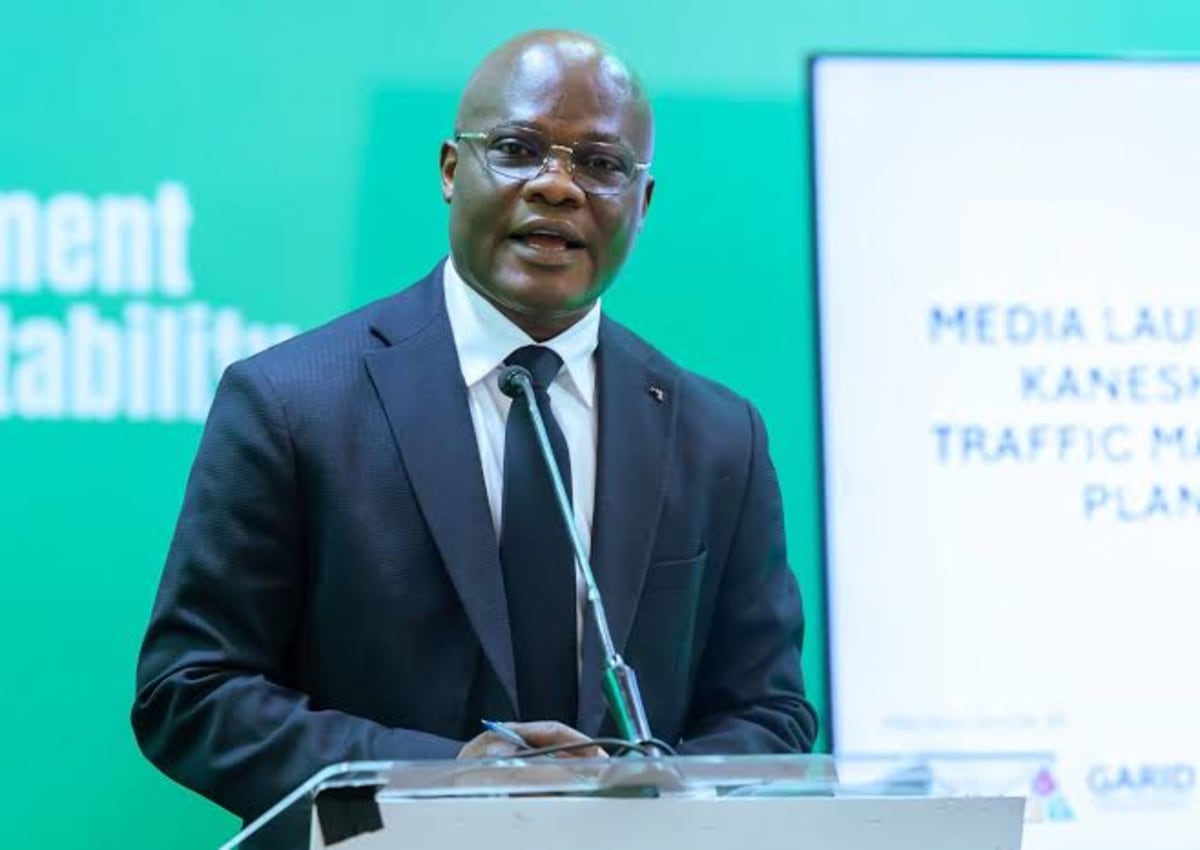
Samuel Nartey George, Ghana's Minister of Communications, Digital Technology and Innovations, announced the new SIM registration framework as part of a broader security overhaul. The system will use stricter biometric verification and create tighter links between SIM cards and national IDs.
Mobile money has become essential infrastructure in Ghana. People use it for daily payments, transfers, and savings, making it a lifeline for millions who don't have traditional bank accounts.
But that rapid growth came with weak safeguards. Fraudsters exploited loose SIM registration systems, using multiple phone numbers and fake identities to run their schemes.
The Ripple Effect
Ghana's approach signals something bigger happening across Africa. As digital identities become the backbone of financial services, governments are realizing they need stronger protections.
Phone numbers and national IDs now unlock everything from loan applications to health records. When those systems get compromised, entire economies feel the impact.
Other countries are watching Ghana's experiment closely. Kenya recently tightened its own rules around dormant SIM cards, showing that digital identity security is becoming a continental priority.
The real test will be implementation. Can Ghana reduce fraud without accidentally locking legitimate users out of essential services? Will the biometric systems work reliably for everyone, including people in rural areas?
These questions matter because digital identity is no longer optional in modern African economies. Get it right, and you protect millions of people while enabling growth. Get it wrong, and you risk excluding the very citizens you're trying to serve.
For now, Ghana is betting that tying digital identity to accountability will make its mobile money system safer for everyone who depends on it.
##
Based on reporting by Techpoint Africa
This story was written by BrightWire based on verified news reports.
Spread the positivity!
Share this good news with someone who needs it