Ghana Boosts School Meals Program, 4M Kids Benefit
Ghana's Gender Minister personally inspected school kitchens to ensure millions of children receive nutritious meals every day. The program keeps kids in class while fighting hunger.
When government officials rolled up their sleeves to taste-test school lunches in Ghana, they found exactly what they hoped for: hot, nutritious meals fueling the dreams of 4 million students across the nation.
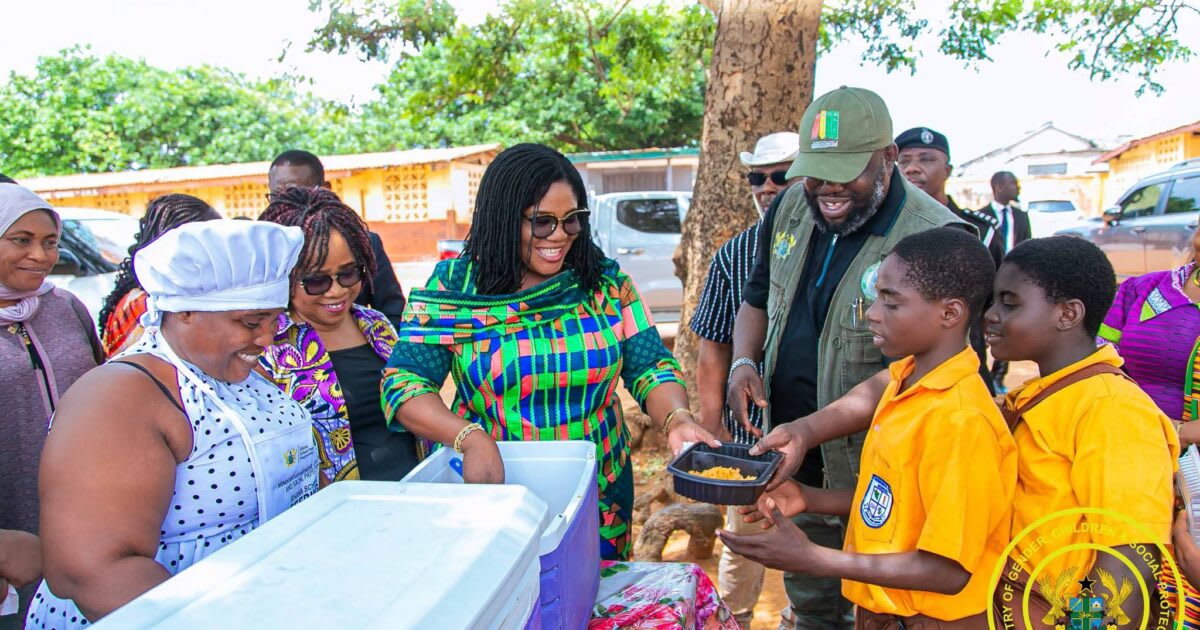
Dr. Agnes Naa Momo Lartey, Ghana's Minister for Gender, Children and Social Protection, led her advisory board on surprise visits to two schools in Greater Accra Region. They wanted to see firsthand whether the Ghana School Feeding Programme was delivering on its promise.
At Chorkor Presbyterian Basic School and Chemunaa Basic School, the inspection team didn't just peek into pots. They talked with students about their meals, interviewed teachers about classroom improvements, and sat down with the caterers who prepare thousands of lunches daily.
The verdict? The meals passed with flying colors. Board members found children receiving balanced, nutritious food that meets program standards.
But Dr. Lartey made clear this wasn't just a congratulatory visit. She warned caterers that future inspections would continue, and anyone cutting corners would face consequences. The government takes seriously its responsibility to feed these children properly.
The Ripple Effect
Free school meals do more than fill stomachs. Teachers report better attendance since the program expanded. Parents who once struggled to pack lunches now send their kids to school confident they'll eat well.
The program targets multiple wins at once: better nutrition means healthier kids, daily meals mean fewer absences, and full bellies mean students can actually focus on learning instead of hunger pangs.
National Coordinator Hajia Fati Forgor and Accra Mayor Michael Kpakpo Allotey joined the monitoring visits, signaling government-wide commitment to the initiative. Their presence showed this program has backing at every level.
Dr. Lartey encouraged students to honor the investment by showing up, working hard, and chasing academic excellence. The meals are tools, she reminded them, but the students themselves must do the learning.
The ministry plans to use findings from these visits to make the program even better, fine-tuning everything from meal quality to delivery logistics. Every lesson learned helps the next 4 million meals served.
Ghana's commitment to feeding its schoolchildren shows how social programs can create lasting change when properly funded and carefully monitored.
Based on reporting by Myjoyonline Ghana
This story was written by BrightWire based on verified news reports.
Spread the positivity!
Share this good news with someone who needs it
%2Cautocrop(1200%3A630))