Ghana Brings Back Civics Classes to Improve Cleanliness
Ghana's President is reintroducing civic education in schools to tackle the country's littering problem from the ground up. The move aims to teach children proper waste disposal and social responsibility before bad habits form.
Ghana is betting on young minds to solve a problem that infrastructure alone couldn't fix: keeping the country clean.
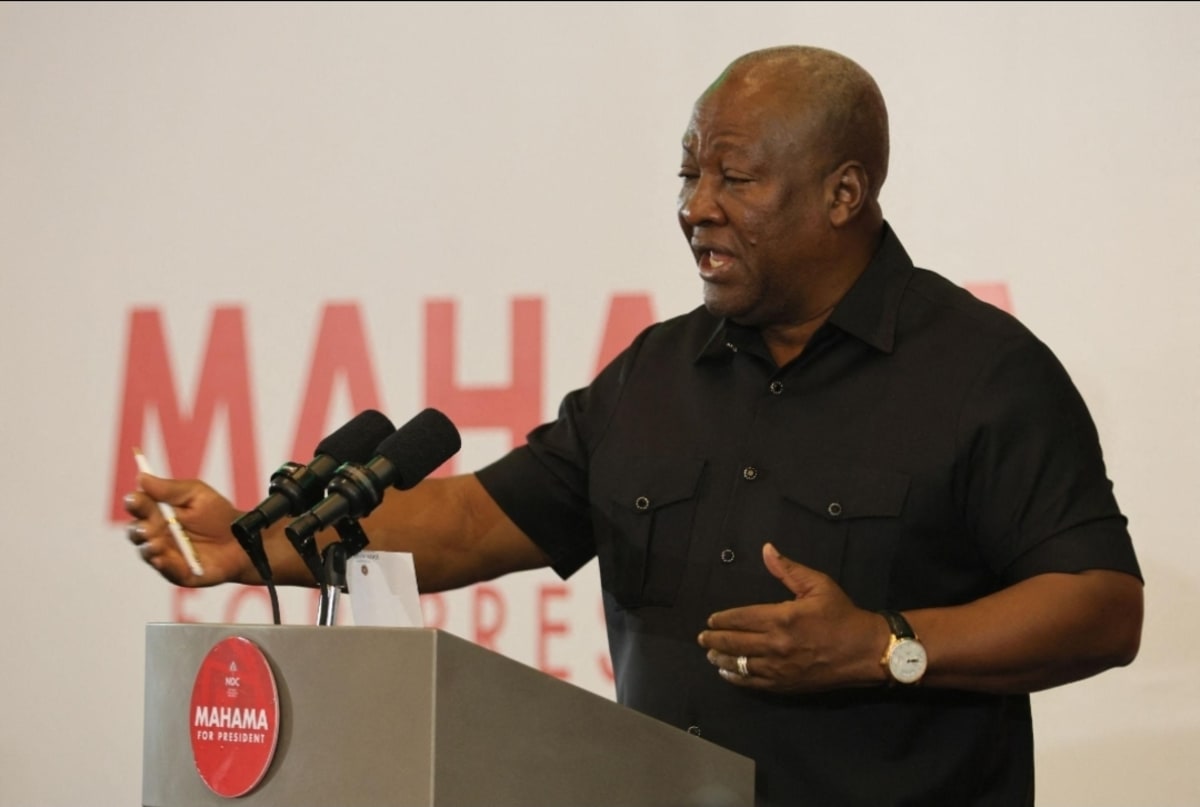
President John Dramani Mahama announced plans to bring civic education back to Ghana's school curriculum, targeting the root cause of persistent sanitation challenges. Despite regular cleaning of gutters and public spaces, littering remains a stubborn problem across the nation.
"However you clean the gutters, people will throw rubbish into them again," Mahama told civil society organizations during a recent presidential dialogue. "We need intensified education for people to understand, but we must also inculcate it in children from when they are young."
The President has already directed Ghana's Education Minister to develop plans for reintroducing civics as a formal subject. The curriculum would mirror programs from decades past, when the government provided free civics textbooks to students nationwide.
Mahama recalled his own childhood civics education, which covered everything from proper waste disposal to table manners and respectful conduct in public spaces. Those lessons taught him practical life skills before he reached secondary school, shaping behaviors that lasted into adulthood.
The move represents a shift from Ghana's current approach to sanitation, which has relied heavily on cleanup campaigns and infrastructure improvements. While these efforts temporarily improve conditions, the President argues that lasting change requires transforming mindsets starting in childhood.
The Ripple Effect
Ghana's decision to prioritize early civic education could influence how other African nations tackle similar challenges. Many countries across the continent struggle with sanitation issues rooted in behavioral patterns rather than lack of facilities.
By investing in children's education today, Ghana is planting seeds for cleaner cities tomorrow. Students learning proper waste disposal now will become adults who model good habits for their own children, creating a positive cycle of responsibility.
The curriculum will teach young Ghanaians that civic duty extends beyond voting or following laws. It encompasses daily choices like where to throw trash, how to treat public spaces, and understanding that individual actions impact entire communities.
Ghana's approach acknowledges a simple truth: you can't clean your way out of a littering problem without changing hearts and minds. The country is choosing to invest in both infrastructure and values, recognizing that sustainable progress requires both.
Based on reporting by Myjoyonline Ghana
This story was written by BrightWire based on verified news reports.
Spread the positivity!
Share this good news with someone who needs it