Ghana Brings Power to 10% More Homes by 2030
Ghana is on track to bring electricity to 99% of its people by 2030, up from 89% today, backed by a $4.4 billion clean energy investment. The West African nation has already completed eight mini-grids and started building 35 more in just one year.
More than 10 million Ghanaians could flip their first light switch within four years as the country races to expand electricity access under an ambitious national plan.
Ghana has completed 60% of its National Energy Compact reforms in just 12 months, putting it on track to deliver 13 of 16 priority actions. These reforms are unlocking a $4.4 billion investment pipeline that combines solar farms, mini-grids, and connections to neighboring countries.
The progress is already visible on the ground. Eight new mini-grids now serve remote communities, with 35 more under construction across areas where traditional power lines never reached.
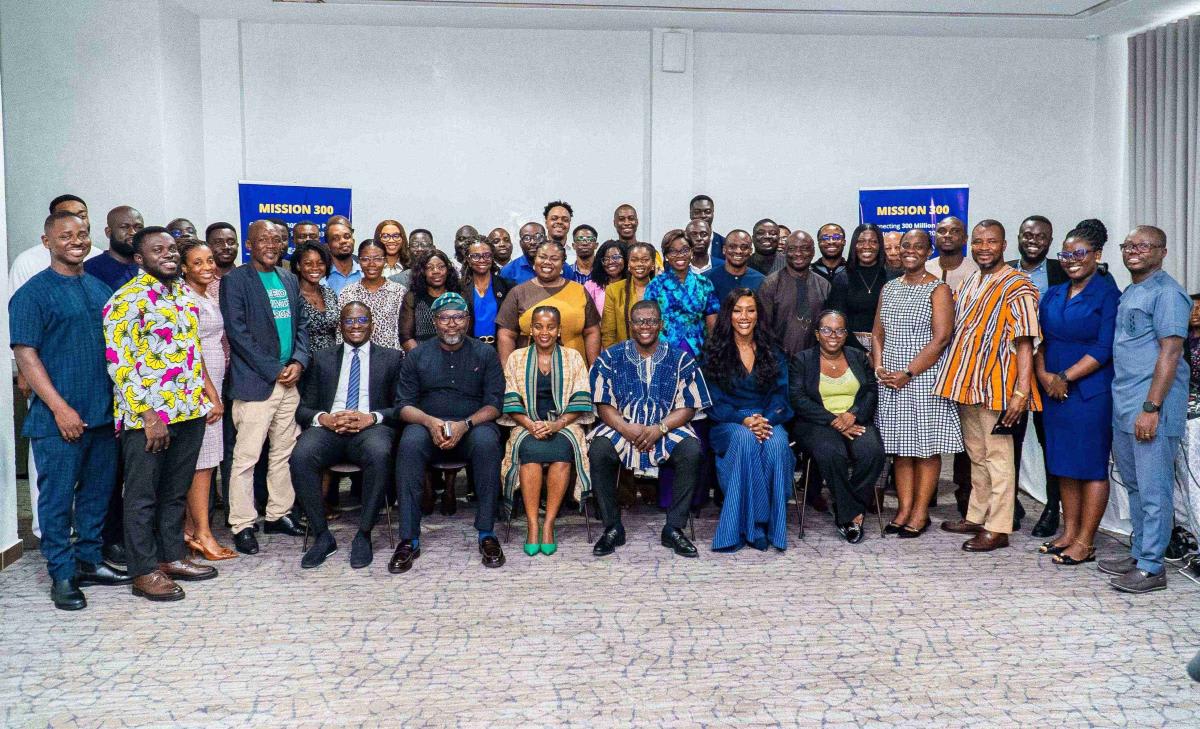
More than 70 leaders from government, banks, private companies, and community groups gathered in Accra in July to map out the next steps. They validated a roadmap that mixes grid expansion in cities with solar home systems and distributed renewable energy in rural areas.
The investment breakdown shows strong private sector confidence. Of the $4.4 billion pipeline, private companies are expected to contribute $2.6 billion, funding projects from utility-scale solar farms to clean cooking initiatives.
Ghana is also strengthening its position as a regional energy hub. The country continues expanding electricity trade through the West African Power Pool and building new connections with Côte d'Ivoire, Mali, and Burkina Faso.
Deputy Minister Richard Gyan-Mensah acknowledged that some reforms face delays due to parliamentary approvals and budget processes, but the government has committed to removing these roadblocks. A reconstituted Energy Sector Working Group will now provide regular progress reports.
The Ripple Effect
When families gain electricity access, children study after dark, health clinics refrigerate vaccines, and small businesses extend their hours. Ghana's push toward 99% electricity access represents more than infrastructure development.
The African Development Bank and World Bank are leading Mission 300, an initiative to connect 300 million people across Africa to electricity by 2030. Ghana's progress offers a template for other nations tackling similar challenges.
The country's multi-pronged approach recognizes that no single solution works everywhere. Dense urban neighborhoods get grid connections while scattered rural homes receive solar systems, ensuring electricity reaches everyone regardless of location.
Financial institutions and development partners reaffirmed their support at the July workshop, signaling confidence in Ghana's ability to deliver. The next phase focuses on converting commitments into actual projects that light up homes and power businesses.
Ghana proves that ambitious energy goals backed by concrete reforms can attract billions in investment and transform millions of lives.
Based on reporting by Google: clean energy investment
This story was written by BrightWire based on verified news reports.
Spread the positivity!
Share this good news with someone who needs it