Ghana Calls Engineers Into Government to Drive Progress
Ghana's Deputy Minister is urging engineers to enter politics and governance, arguing that technical expertise is missing from policy decisions. Only two engineers currently serve in the cabinet, creating a gap between policy design and real-world implementation.
Ghana is making a bold call for engineers to step out of their labs and construction sites and into the halls of government.
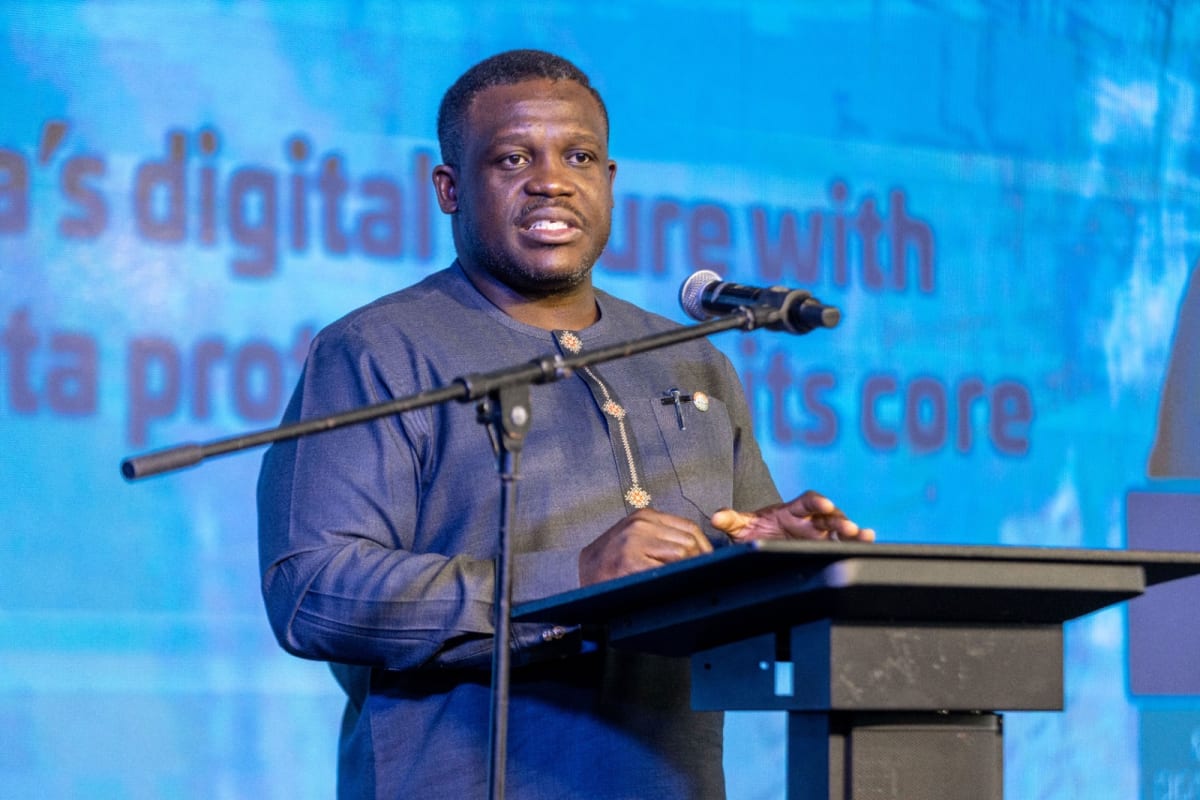
Deputy Minister Gizella Tetteh-Agbotui told the Ghana Institution of Engineering that the country's development challenges need people who understand how things actually work. She pointed out that under President John Dramani Mahama's administration, only she and the Roads Minister bring engineering backgrounds to the cabinet.
That's a problem, she says, because policies designed without technical understanding often fail when it's time to build, install, or implement them. Infrastructure projects stall, housing initiatives miss the mark, and water management systems don't deliver because the people making decisions haven't held the blueprints.
"We need to move beyond policy formulation to practical implementation," Tetteh-Agbotui told the gathering at the institution's 56th Annual General Meeting in Ho. "That can only happen when people with the requisite technical knowledge are part of the decision-making process."
The call resonates beyond Ghana's borders. Countries worldwide grapple with the gap between political vision and technical reality, where ambitious plans crumble against engineering constraints nobody thought to consider early enough.
Dr. Kwame Boakye, Chairman of the Engineering Council and former President of the Ghana Institution of Engineering, backed the appeal. He emphasized that engineers are trained to analyze complex problems and develop workable solutions, exactly the skillset governance needs.
The Ripple Effect
When technical professionals enter governance, the impact extends far beyond better bridges and buildings. They bring a problem-solving mindset that prioritizes what actually works over what sounds good in speeches.
They understand project timelines, cost realities, and the difference between theoretical elegance and practical feasibility. They ask questions like "Can we maintain this?" and "Does the local infrastructure support it?" before committing millions to initiatives that might look impressive on paper but fail in practice.
Dr. Boakye noted that involving engineers in public service would align national development strategies with technical realities on the ground. It would mean fewer abandoned projects, more efficient use of resources, and infrastructure that serves communities for decades rather than deteriorating within years.
The engineering institution is now encouraging its members to consider public service and leadership roles as extensions of their professional duty. Ghana's development, they argue, depends not just on having good engineers but on having engineers in positions where their expertise shapes decisions from the start.
This shift could transform how Ghana tackles everything from road networks to water systems to affordable housing, turning technical knowledge into national progress.
Based on reporting by Google News - Ghana Development
This story was written by BrightWire based on verified news reports.
Spread the positivity!
Share this good news with someone who needs it