Ghana Company Gives 400K Cocoa Seedlings to Farmers Free
A private company in Ghana just handed out 400,000 improved cocoa seedlings to farmers at no cost, while building the country's largest sustainable cocoa plantation. The move could transform the Volta Region into Ghana's next major cocoa hub and boost incomes for thousands of farming families.
Hundreds of cocoa farmers in Ghana's Volta Region are planting seeds for a better future, thanks to a massive giveaway that's reshaping the country's agricultural landscape.
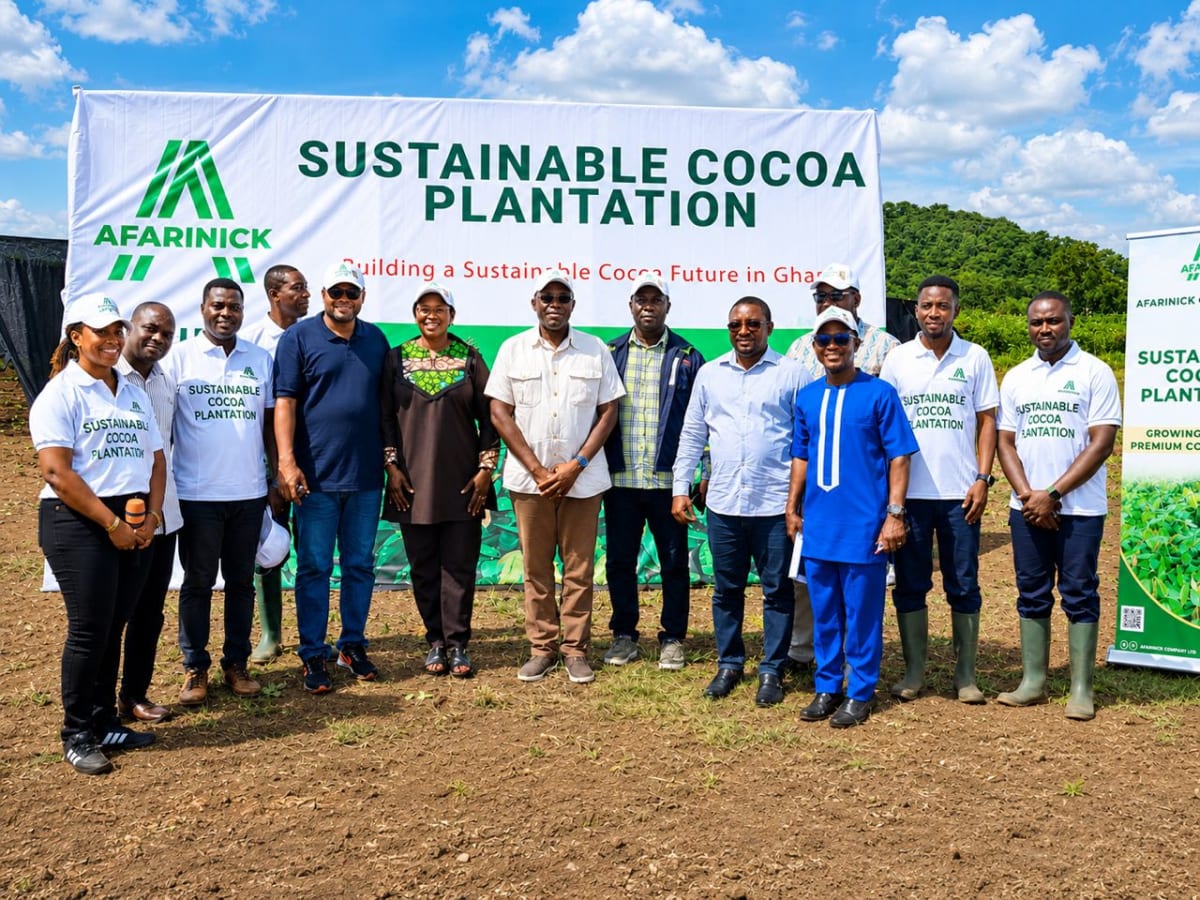
Afarinick Company Limited distributed more than 400,000 improved cocoa seedlings free of charge to farmers across the region. The company held the distribution event at its flagship project in Kpando, where it has established a 2,000-acre sustainable commercial cocoa plantation, the largest of its kind in Ghana.
The seedlings aren't ordinary plants. They're improved varieties bred to produce higher yields, resist diseases better, and withstand changing weather patterns that have challenged farmers in recent years.
Four members of parliament attended the event and praised the initiative. They noted that access to quality planting materials has been one of the biggest barriers preventing farmers from expanding production and earning better incomes.
For many farming families, buying seedlings represents a significant financial burden. This giveaway removes that obstacle entirely, allowing farmers to establish new farms or rehabilitate old ones without upfront costs.
The seedlings came from Afarinick's state-of-the-art nursery in Kpando, which can produce more than two million improved cocoa seedlings every year. That makes it one of the largest cocoa nurseries in Ghana.
Davida Pappoe, the company's Programmes Manager, explained that the distribution is part of their commitment to supporting farming communities. The goal is to expand cocoa cultivation in emerging growing areas like the Volta Region while improving productivity across existing farms.
Ghana ranks among the world's top cocoa producers, and cocoa farming provides livelihoods for hundreds of thousands of rural families. However, many small farmers struggle with aging trees, limited access to quality planting materials, and the high costs of farm rehabilitation.
The company's 2,000-acre plantation showcases modern irrigation systems and climate-smart farming practices that other farmers can learn from and replicate. Combined with the massive nursery capacity, the project demonstrates how private investment can support agricultural development at scale.
The Ripple Effect
The impact extends far beyond free seedlings. As farmers plant these improved varieties and expand their cocoa farms, they're creating new income streams for their families and employment opportunities in rural communities.
The Volta Region hasn't traditionally been a major cocoa-producing area, but this initiative could change that trajectory. With hundreds of thousands of new trees now being planted, the region is positioning itself to contribute significantly to Ghana's cocoa industry in coming years.
Local political leaders stressed that cocoa farming creates jobs, generates income, and stimulates rural development in ways that benefit entire communities. When farmers succeed, local businesses thrive, schools get better funding, and young people have more reasons to stay in their villages instead of migrating to cities.
The seedlings are now in farmers' hands, ready to grow into trees that will produce cocoa for decades to come.
Based on reporting by Myjoyonline Ghana
This story was written by BrightWire based on verified news reports.
Spread the positivity!
Share this good news with someone who needs it