Ghana Creates First Marine Protected Area After 15 Years
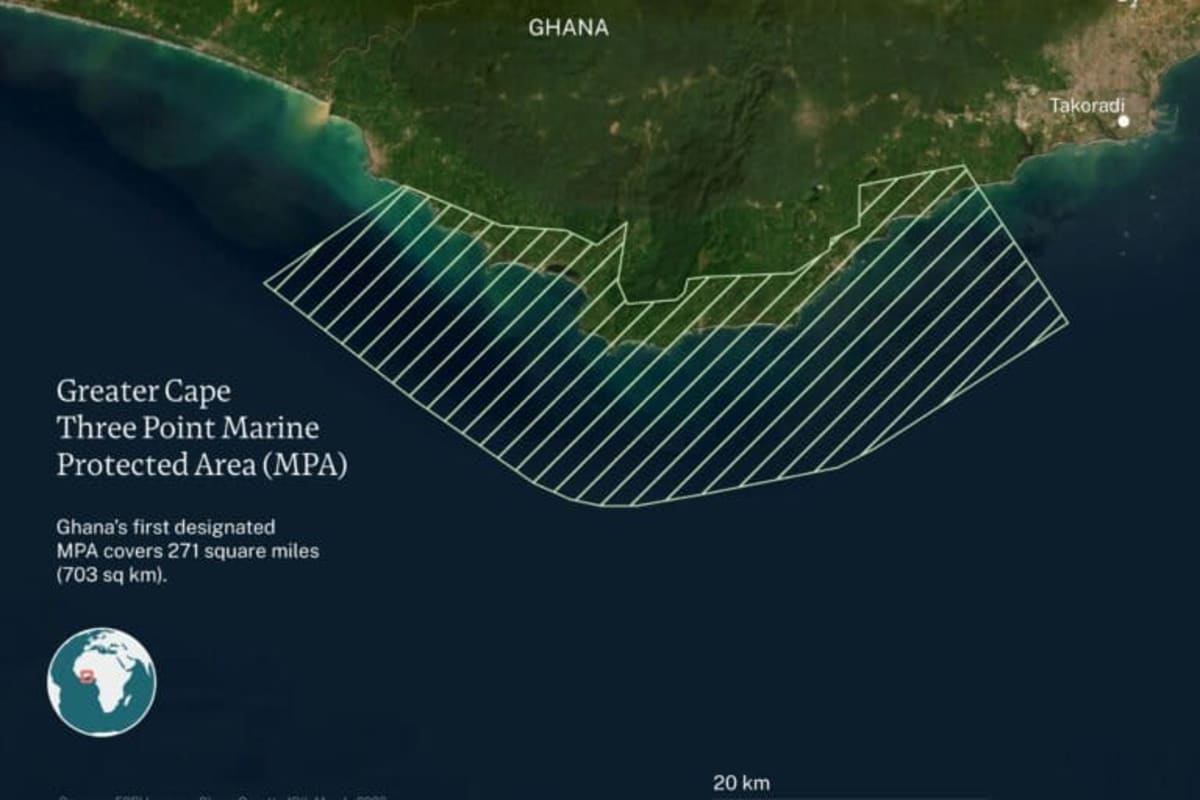
Ghana just declared its first ever marine protected area, protecting 703 square kilometers of ocean that's critical for fish populations. After 15 years of work, this historic move could save the country's collapsing fishery and protect food security for millions.
Ghana just made history by creating its first marine protected area, a move that could rescue the country's crashing fish populations and secure food for millions of people who depend on the ocean.
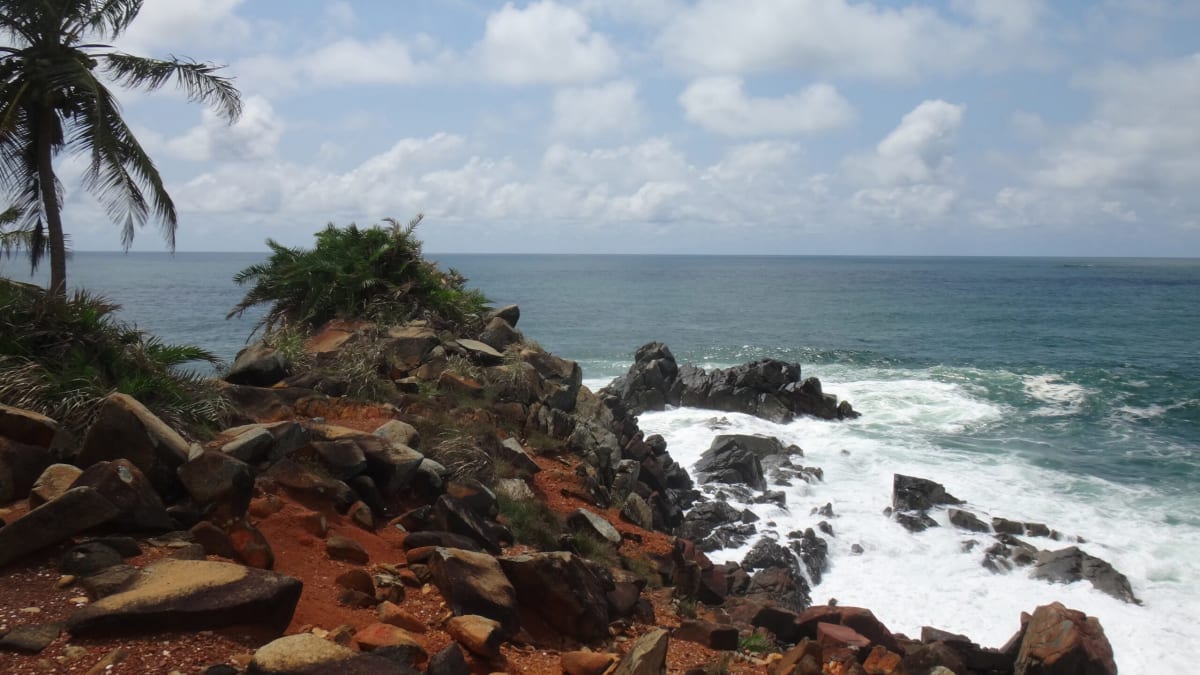
Vice President Naana Jane Opoku-Agyemang announced the designation on April 14, marking the end of a 15-year journey to protect the waters at Cape Three Points, the southernmost tip of Ghana. The protected zone covers 703 square kilometers of ocean where sardines, anchovies, and mackerel breed and raise their young.
The timing couldn't be more urgent. Ghana's small pelagic fishery stands on the brink of collapse after years of overfishing, destructive fishing methods, and climate change impacts. Most Ghanaians get their animal protein from these small fish, making this a matter of national food security.
The new marine protected area divides the ocean into different zones. A core area bans all fishing to let populations recover. Surrounding zones still allow fishing and other activities, but with strict rules to prevent overfishing.
What makes this protection effort special is how it came together. Twenty-one coastal communities helped design the protected area, sharing their knowledge about where fish breed and feed. Local fishers serve on management committees, ensuring their voices shape decisions about their own waters.
Stephen Kankam from Ghanaian conservation group Hen Mpoano says this represents more than just policy. Communities contributed their generations of fishing knowledge to identify critical breeding grounds. That expertise is now built directly into how the protected area operates.
The Ripple Effect
This marine sanctuary joins Ghana's growing toolkit for saving its fisheries. The country already implemented seasonal fishing closures, froze new fishing permits for three years starting in 2023, and tightened rules on commercial trawlers. The protected area adds long-term habitat protection to these shorter-term measures.
The designation happened despite a major funding setback when the U.S. government cut USAID support in 2025. USAID had been a key partner in pushing for stronger fisheries regulation and marine protection. Ghana pushed forward anyway, proving local commitment to ocean conservation.
Now comes the hard part: finalizing exactly what activities happen where, and making sure the rules get enforced. Kankam says success depends on effective monitoring and ensuring fishing communities comply with the new regulations.
For a country watching its fish stocks dwindle year after year, this protected area offers something precious: hope that the ocean can heal if given the chance.
More Images
Based on reporting by Mongabay
This story was written by BrightWire based on verified news reports.
Spread the positivity!
Share this good news with someone who needs it