Ghana Deploys 100 New Buses as Fuel Prices Rise
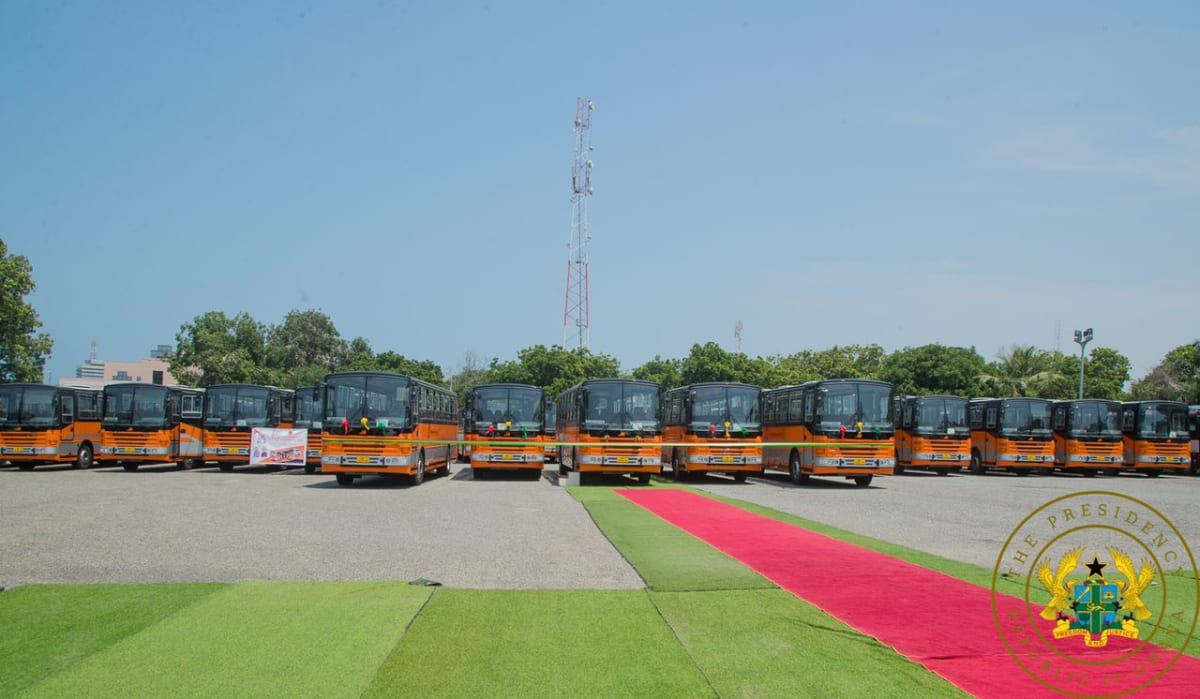
Ghana is rolling out 100 new Metro Mass Transit buses immediately to help commuters facing higher transport costs after fuel prices jumped. The government promises fares lower than private operators, with 200 more buses arriving by year's end.
When fuel prices spiked on April 1st, Ghana's government had an answer ready: a fleet of 100 brand-new buses hitting the roads right now.
Government spokesperson Felix Kwakye Ofosu announced the immediate deployment of Metro Mass Transit buses across major routes following an emergency Cabinet meeting. The move comes as global crude oil prices climb due to Middle East tensions, making daily commutes more expensive for millions of Ghanaians.
The buses arrived just in time. The Transport Minister received orders to fast-track their deployment along high-traffic corridors, particularly during peak hours when commuters struggle most with crowded, expensive transport options.
But the government didn't stop at just adding buses. Cabinet directed Metro Mass to keep fares below what private transport operators charge, ensuring everyday Ghanaians can actually afford this alternative.
The Ripple Effect
This isn't a one-time fix. Another 100 buses will arrive in August, followed by a final batch of 100 in November, bringing the total fleet to 300 new vehicles by year's end.
The expanded Metro Mass service aims to ease congestion across Ghana's busiest routes while stabilizing the transport sector. For families watching their budgets stretch thinner as fuel costs rise, affordable public transport means more money for food, school fees, and healthcare.
The strategic timing matters too. By deploying buses now during the fuel price surge, the government is directly addressing the ripple effects before transport fare hikes squeeze household budgets even tighter.
Transport challenges affect everything from getting kids to school to reaching medical appointments to showing up for work on time. Reliable, affordable buses create breathing room for people navigating rising costs across the board.
Ghana's approach shows how targeted infrastructure investment can cushion economic shocks while building long-term solutions. The buses will keep running long after current fuel prices stabilize, creating a stronger public transport foundation for years ahead.
Based on reporting by Myjoyonline Ghana
This story was written by BrightWire based on verified news reports.
Spread the positivity!
Share this good news with someone who needs it