Ghana Deploys 24,500 Medical Tools for Free Healthcare
Ghana is sending over 24,500 pieces of medical equipment to clinics nationwide before launching free primary healthcare on April 15. For the first time, rural communities will have access to ultrasounds, X-rays, and neonatal care locally.
Ghana is about to make healthcare dramatically easier for millions of people by bringing hospital-grade equipment to their neighborhoods.
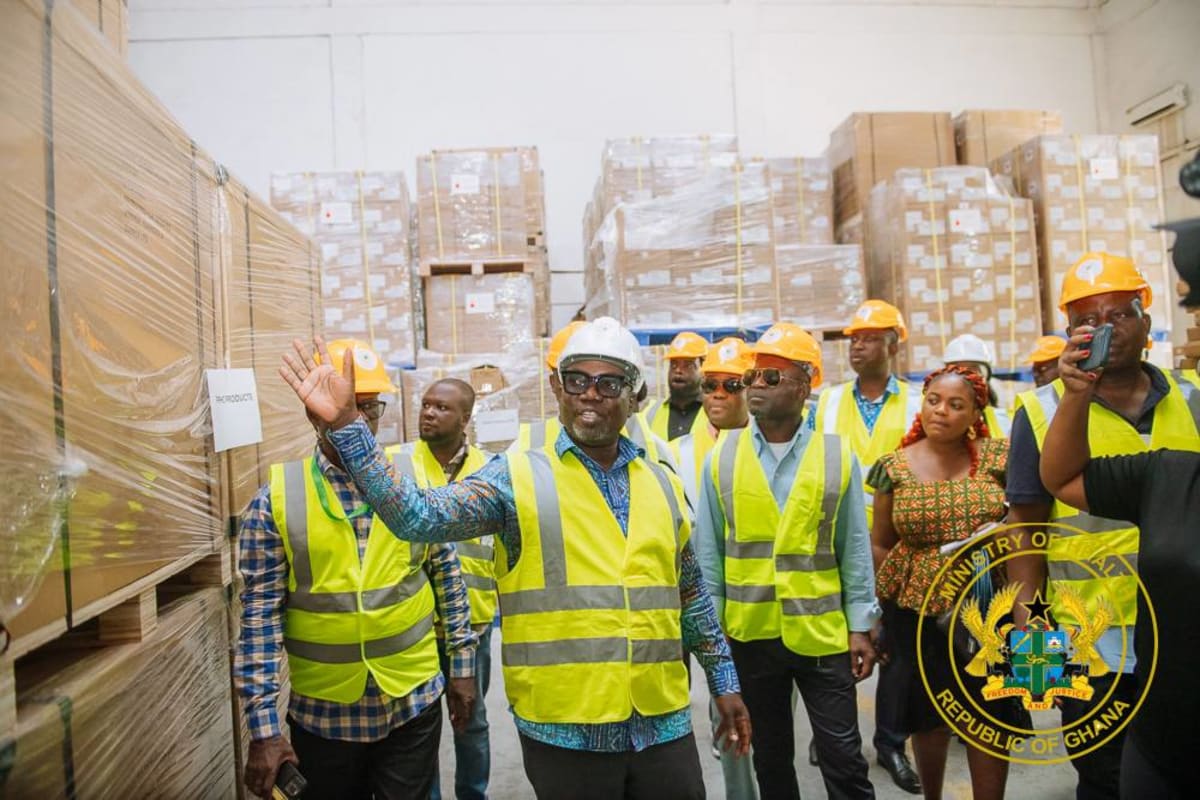
The government announced it will distribute 24,534 pieces of medical equipment to health facilities across all 16 regions before President John Dramani Mahama launches the Free Primary Healthcare Programme on April 15. Equipment deliveries start next week.
Minister of State Felix Kwakye Ofosu revealed the plans after inspecting the inventory with Health Minister Kwabena Mintah Akandoh on April 3. The massive deployment aims to shift routine care away from overcrowded major hospitals to community clinics where people actually live.
The equipment package focuses on diagnostics and maternal health, areas where rural communities have struggled for years. Local clinics will receive baby incubators, radiant warmers, and oxygen concentrators to reduce infant mortality rates.
Patients will no longer need to travel hours for basic scans. The distribution includes X-ray machines, ultrasound scanners, and laboratory analyzers that previously existed only in city hospitals.
Clinics will also get vital sign monitors, glucometers for diabetes screening, patient monitors, infusion devices, delivery beds, and standard hospital beds. Each piece addresses specific gaps in primary care that have forced patients to seek expensive treatment at distant facilities.
Kwakye Ofosu emphasized this represents structural improvement to the National Health Insurance Scheme, not just political theater. By placing advanced diagnostic tools at the primary level, the government expects to slash both costs and travel time for routine care.
Regional health directors are on high alert to oversee installation and train staff on the new devices. The Ministry of Health wants every piece operational before the April 15 launch.
The Ripple Effect
This equipment surge could transform healthcare access for Ghana's most underserved communities. Rural families who once spent entire days traveling for a simple ultrasound can now get diagnosed in their own towns.
The focus on neonatal equipment addresses one of Ghana's most urgent health challenges. When local clinics can handle newborn emergencies, survival rates climb dramatically.
Perhaps most importantly, taking pressure off tertiary hospitals means those facilities can focus on complex cases that truly require specialized care. Everyone wins when the healthcare system works at the right level.
Ghana is proving that universal healthcare requires more than policy announcements—it needs the tools to deliver on the promise.
Based on reporting by Myjoyonline Ghana
This story was written by BrightWire based on verified news reports.
Spread the positivity!
Share this good news with someone who needs it