Ghana District Invests $31K in 10 Wells for 10 Communities
Nine villages in Ghana's Wa West District now have clean water for the first time after decades of sharing streams with animals. The $31,000 project ended daily treks for safe drinking water.
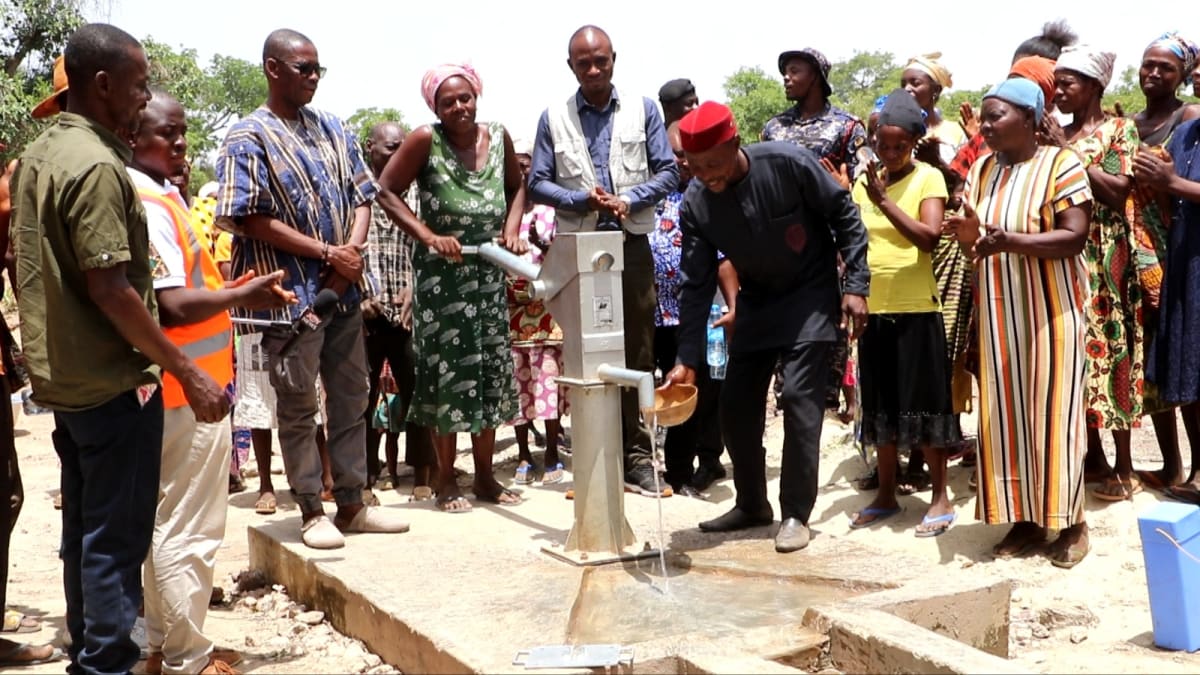
Women in Wherekobo, Ghana no longer spend hours searching for clean water after their community received one of ten new wells commissioned this month. For years, residents in nine rural villages relied on streams shared with livestock, especially during the dry season when water sources dried up.
The Wa West District Assembly invested nearly 500,000 Ghanaian cedis (about $31,000 USD) to drill ten boreholes across the region. Nine hand-pump wells now serve Jaglu, Ponyamayiri, Yokoroteng, Nadizier, Diesi, Polee, Loorteng, Wherekobo and Dakpalateng, while a fully mechanized system was installed at the Wechiau Fire Station.
District Chief Executive Richard Wulo and Member of Parliament Peter Toobu Lanchene personally toured each community to hand over the facilities. The funding came from a dedicated 10 percent slice of the District Assembly Common Fund, showing how local governance can directly improve lives.
Fire Officer Memuna Bayeaba said her team had struggled for years without reliable water access. A fire station without water meant delayed emergency responses and lives at risk, but the new mechanized borehole changes everything for the Wechiau station.
The Ripple Effect
The wells represent more than convenient water access. Assembly Member Manan Zumoruh explained that families no longer risk waterborne diseases from contaminated streams, and children can attend school instead of walking miles for water.
District Engineer Abdul-Razak Ibrahim confirmed that Ghana Water Company Limited tested every well and declared the water safe for drinking. Test results were shared with community leaders to build trust and ensure transparency.
Assembly Member Claudius Darekuuyore urged residents to maintain the facilities properly, noting that demonstrated care attracts future development support. Community leaders are already requesting help with electricity access and road repairs, seeing these wells as the first step toward broader improvements.
The success stems from Ghana's decentralization policy, which directs 80 percent of common funds directly to district assemblies. This allows local leaders to respond quickly to their communities' most pressing needs without waiting for national approval.
Ten communities now have something many of us take for granted: water that flows clean and safe, right where people live.
Based on reporting by Myjoyonline Ghana
This story was written by BrightWire based on verified news reports.
Spread the positivity!
Share this good news with someone who needs it