Ghana Ends Double-Track School System by 2027
Ghana is investing $390 million to eliminate overcrowded high schools and the controversial split-schedule system that reduced learning time. By 2027, every student will attend full-time with more hours of teacher instruction.
Students across Ghana will soon get more time with their teachers and a better shot at academic success.
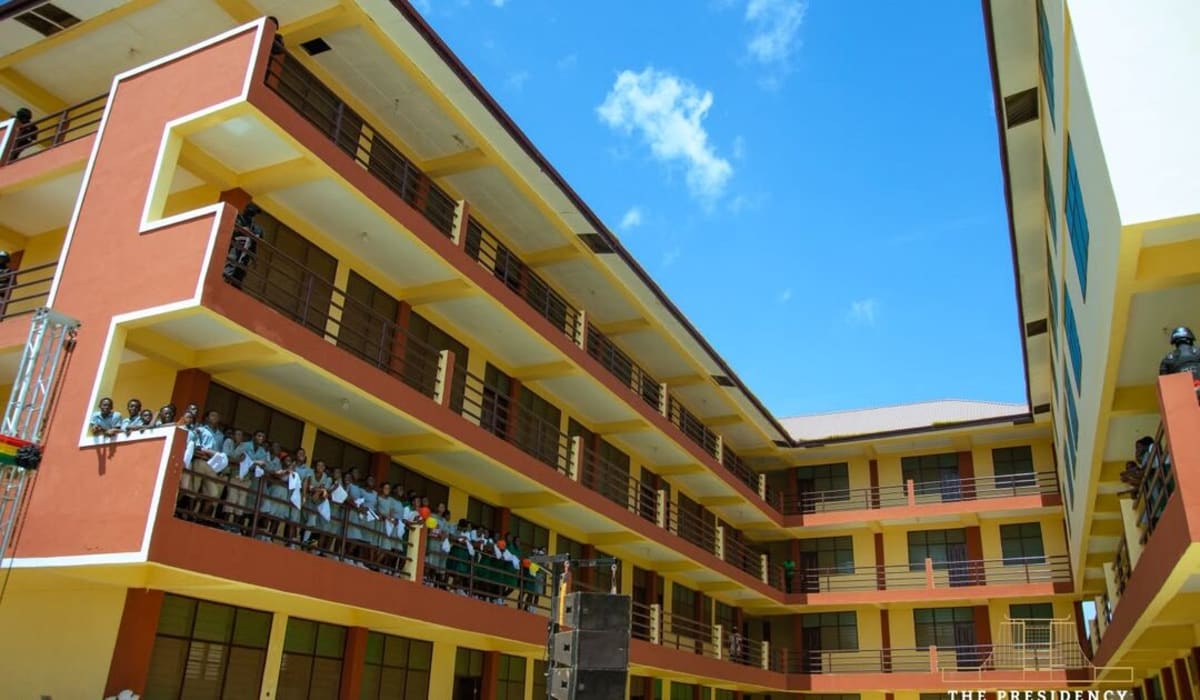
President John Dramani Mahama just commissioned a new classroom building at Paga Senior High School and announced a nationwide plan to end the double-track system. The split schedule currently forces some students to attend school in shifts, cutting their contact hours with teachers in half.
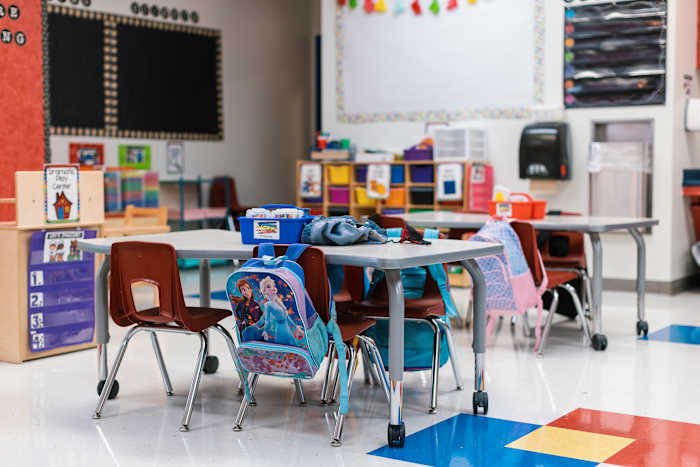
The double-track system started when Ghana launched free high school education without building enough classrooms. Schools became so overcrowded that administrators had to rotate students through shortened sessions.
Now the government is committing 3 billion cedis (about $390 million) through the STARR-J project to expand secondary education infrastructure. The plan includes finishing abandoned E-Block classroom buildings that were started years ago but left incomplete.
Paga Senior High School became the latest to receive one of these completed E-Blocks. The President also promised the school a 60-seat bus, boys and girls dormitories, and a dining hall.
Next year's budget includes funding for 30 brand new high schools in densely populated areas where students struggle most to find seats. The government has also improved school meal quality and created dedicated continuous funding for the free education program.
The Ripple Effect
This investment tackles multiple problems at once. More classroom space means students stop learning in shifts and get the full curriculum their peers in other countries receive.
Increased teacher contact hours should boost performance on the West African Senior School Certificate Examination, the test that determines university admission. Better facilities and regular meals help students focus on learning instead of basic needs.
Education Minister Haruna Iddrisu emphasized that these changes safeguard and expand access to free secondary education. The government reviewed the previous administration's approach and made adjustments to ensure quality matches availability.
The transformation aims to prove that free education and excellent education can coexist. When students have proper classrooms, enough time with teachers, and adequate resources, everyone benefits from a more educated workforce and engaged citizens.
By 2027, every Ghanaian high school student will start and finish the school year together with their classmates, learning on the same schedule as students anywhere else in the world.
Based on reporting by Myjoyonline Ghana
This story was written by BrightWire based on verified news reports.
Spread the positivity!
Share this good news with someone who needs it