Ghana Expands Free Cancer Care on World Cancer Day
Ghana announced major funding initiatives to make breast cancer treatment more affordable and accessible for all citizens. The Ministry of Health brought together leaders to create practical solutions for reducing the crushing financial burden cancer patients face.
Ghana is transforming how it fights breast cancer, and thousands of families could finally afford the care they desperately need.
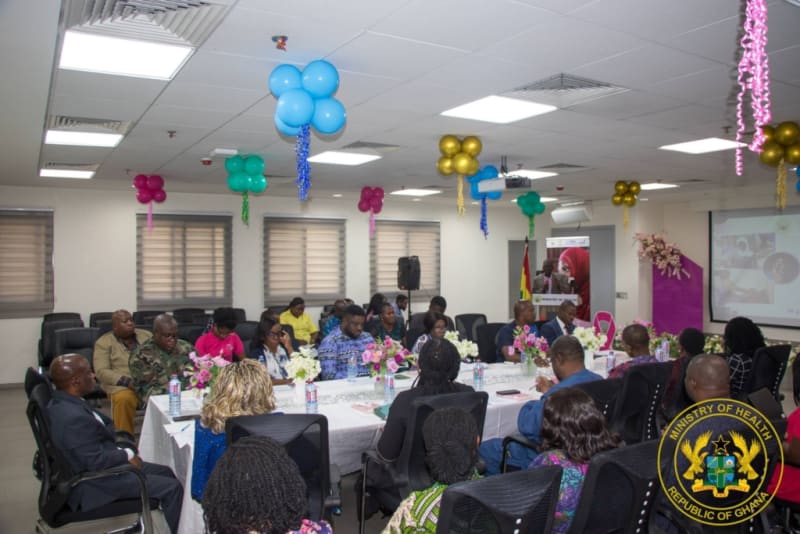
On World Cancer Day, the Ministry of Health announced a renewed push to make cancer treatment accessible through expanded national health insurance coverage and new trust funds. The high-level meeting brought together government officials, healthcare workers, and community advocates to tackle one of the nation's deadliest health challenges.
The reality for many Ghanaian families has been devastating. Breast cancer often goes undetected until advanced stages, when treatment becomes both more difficult and expensive. Too many patients have had to choose between bankruptcy and survival.
Chief Director Desmond Boateng acknowledged the system hasn't been working well enough. Past cancer care programs operated separately without coordination, leaving gaps that hurt patients. Now the government is weaving these fragmented efforts into a unified approach.
Three major initiatives are leading the charge. The Ghana Medical Trust Fund (Mahama Cares) will help cover treatment costs. The National Health Insurance Scheme is expanding what cancer services it covers. The Free Primary Healthcare Initiative focuses on catching cancer early, when it's most treatable and least expensive.
The Ripple Effect
When cancer care becomes affordable, entire communities benefit. Families won't have to sell their homes or pull children from school to pay medical bills. Women can seek help at the first signs of trouble instead of waiting until it's too late. Early detection means better survival rates and lower treatment costs for everyone.
The roundtable didn't just talk about problems. Participants examined specific ways to improve diagnostics, treatment access, and palliative care. They explored innovative financing models that other countries have used successfully. They discussed how different government sectors can work together instead of separately.
Ghana's plan ties into broader commitments including the Universal Health Coverage Roadmap and the National Non-Communicable Disease Strategy. These aren't just policy documents. They represent a promise that quality healthcare shouldn't depend on how much money you have.
The government called for partnerships with private organizations, international health groups, and local communities to pool resources and expertise. Cancer care requires expensive equipment, trained specialists, and ongoing support that no single entity can provide alone.
Ghana is showing that even resource-limited nations can prioritize their people's health when leaders commit to finding solutions together.
Based on reporting by Myjoyonline Ghana
This story was written by BrightWire based on verified news reports.
Spread the positivity!
Share this good news with someone who needs it